

Cording after mastectomy, also called axillary web syndrome (AWS), is a tight, rope-like band under the skin that usually runs from your armpit down your inner arm. It often appears days to weeks after surgery and can make it hard to raise your arm. Most cases improve with physical therapy and gentle, approved stretching.
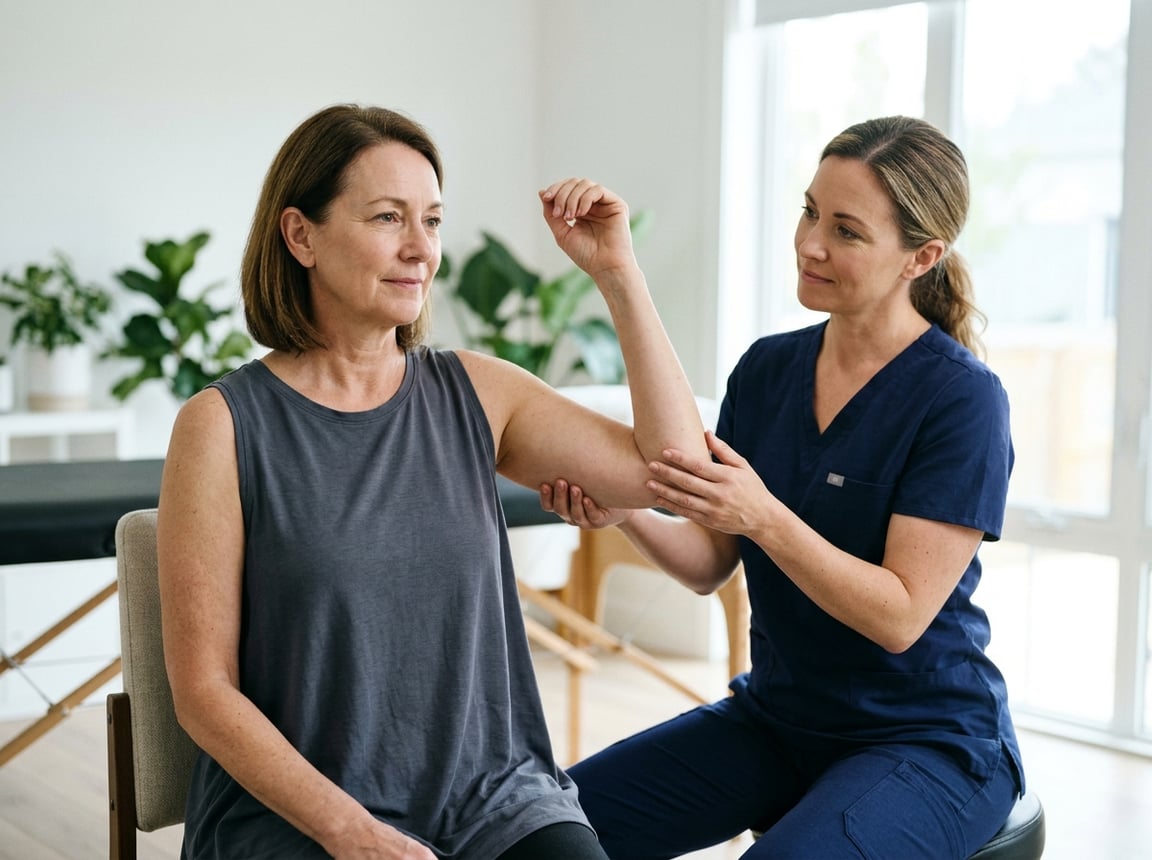
You might first notice cording when you lift your arm to wash your hair or pull on a shirt. It can feel alarming, but it is a common side effect of breast surgery and it is treatable.
This guide explains what cording feels like, why it happens, how long it lasts and what helps. It also covers what to wear so getting dressed is easier while you heal.
Key takeaways
- Cording feels like a tight string or cord in your armpit or inner arm, especially when you reach up.
- It is linked to lymph node surgery and is more common after axillary lymph node dissection.
- It often improves over weeks to months with physical therapy and approved stretching exercises.
- Never try to force or “snap” a cord yourself.
- Front-closure bras and soft layers with roomy armholes can make dressing much easier.
What Is Cording After Mastectomy?
Cording is one or more tight bands that form under the skin after breast cancer surgery. Doctors call it axillary web syndrome. You may also hear the terms axillary cording or lymphatic cording.
Cording is more common than many people expect. A 2019 review in Breast Cancer: Targets and Therapy found reported rates ranging from 6% to 86% after breast cancer surgery. Rates were higher after axillary lymph node dissection, at 36% to 72%.
What Does Cording Feel Like?
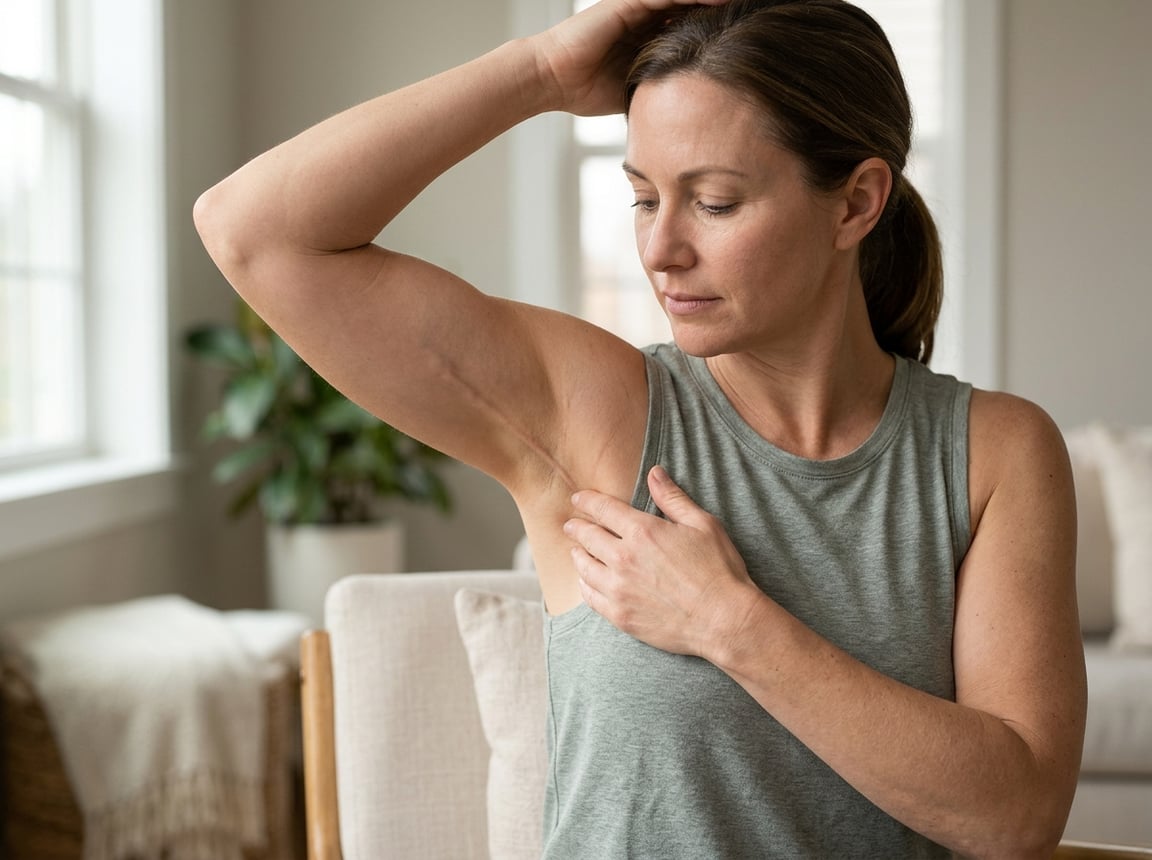
Most people describe cording as a tight string, guitar string or violin string under the skin. It usually feels worse as you reach overhead or straighten your elbow.
Common signs include:
- A pulling or tight feeling in your armpit when you lift your arm
- One thick cord or several thin strands under the skin
- Tenderness or pain along the cord
- Trouble straightening your elbow fully
- Reduced range of motion in your shoulder
You may feel a cord without seeing it. Tell your care team about the sensation even if your underarm looks normal. Avoid stretching further and further just to make the cord show.
Where Can Cording Appear?
Cording in the armpit is the most common pattern. From there, a cord often runs down your inner arm toward the elbow, and sometimes toward the wrist or hand.
Cords can also appear along the chest wall. According to OncoLink, Penn Medicine’s cancer resource, cording can also develop in the breast, chest and abdominal area.
How Cording Affects Everyday Movement
Tight cords can make simple tasks harder. Washing your hair, reaching into a high cupboard, putting on a seatbelt and fastening a bra behind your back may all pull on the area.
These limits often lead to common clothing problems after mastectomy, like struggling with fitted tops or back-closure bras.
Why Does Cording Happen After Breast Cancer Surgery?
The exact cause is not fully understood. Experts believe surgery disrupts small lymph vessels and the tissue around them. As you heal, inflammation and tissue hardening may form the tight cords.
Tightness near your incision is not always cording. Scar tissue can also restrict movement, so an exam helps your team tell the difference.
Who Is More Likely to Get Cording?
Your risk depends partly on how many lymph nodes were removed:
- Axillary lymph node dissection: This removes many underarm nodes and carries the highest risk.
- Sentinel lymph node biopsy: This removes only a few nodes. The risk is lower, but cording can still happen.
Research also links younger age and a lower body weight to a higher risk. Because cording after lymph node removal can follow different operations, cording after lumpectomy is possible too, not just after mastectomy.
Developing cording after breast cancer surgery does not mean you did anything wrong during recovery.
When Does Cording Start and How Long Does It Last?
Cording usually appears within days to weeks after surgery. It can also show up months later, sometimes during radiation treatment.
OncoLink recommends checking for cording regularly during the first 3 to 6 months after surgery, and from time to time for up to 3 years.
With the right care, many people notice improvement over a few weeks to a few months. For some people, cording lasts longer or comes back. If tightness lingers or returns, ask for a review rather than waiting it out.
Axillary Web Syndrome Treatment: What Helps Ease Cording?
Axillary web syndrome treatment centers on guided movement. A physical therapist who specializes in breast cancer rehabilitation can build a plan that fits your surgery and healing stage.
How a Physical Therapist Can Help
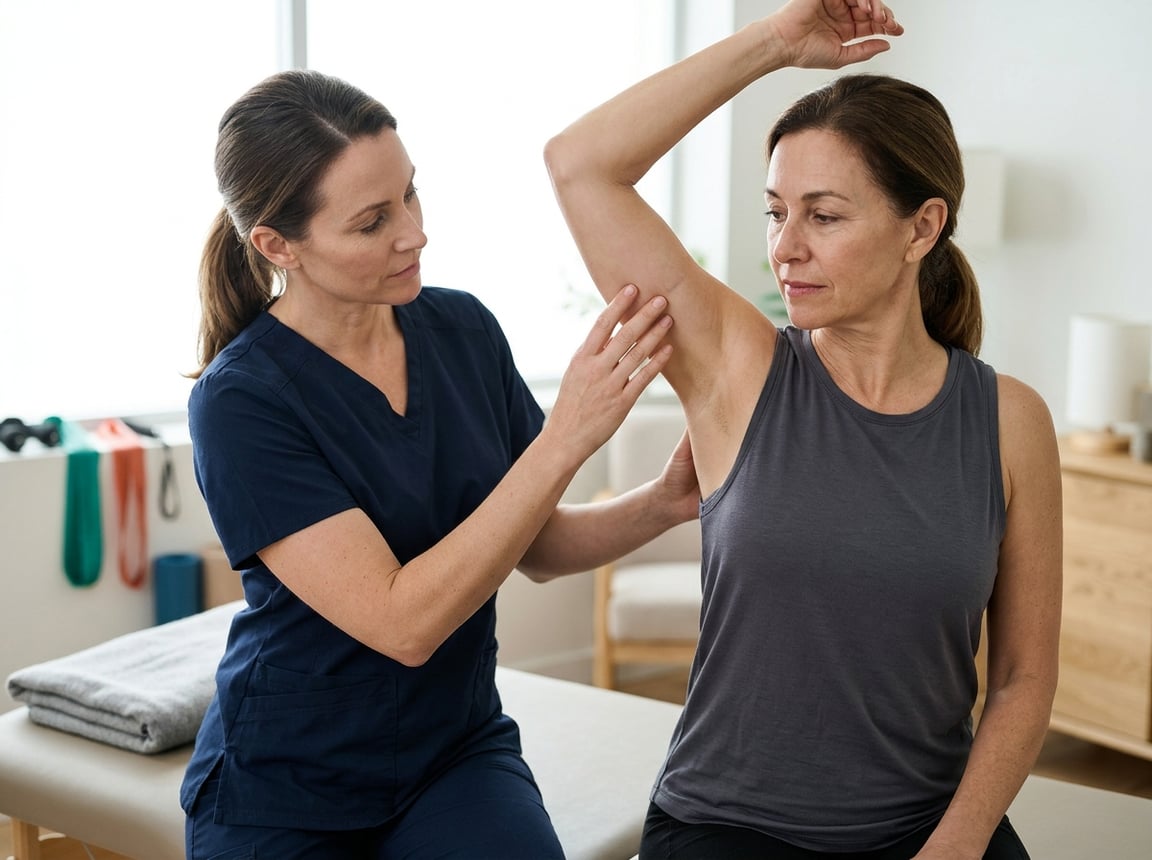
Your physical therapist will check how well your shoulder and elbow move and where you feel pulling. They will also look for scar tightness or swelling that needs separate care.
Your plan may include:
- Gentle stretching exercises to restore range of motion
- Hands-on manual therapy for the cords and surrounding tissue
- A home exercise program with clear limits
- Moist heat, if your therapist recommends it
Tell your therapist which tasks are hardest, such as washing your hair or reaching into a sleeve. That helps them focus on the movements you need most.
Starting Gentle, Approved Stretches
Any plan for exercise after mastectomy needs to account for your incisions, drains and any reconstruction. Get approval before trying a stretch you found online.
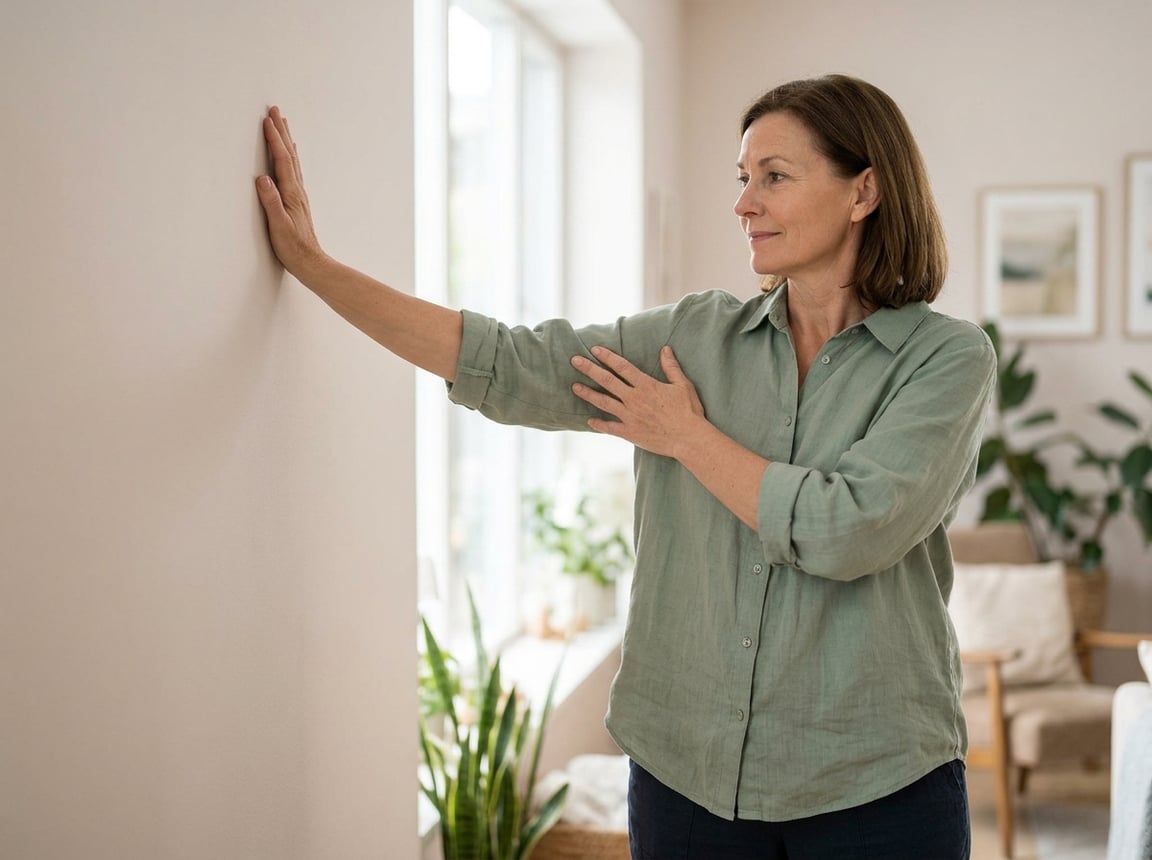
Once you are cleared, your therapist may teach you a supported arm raise or a gentle wall reach. Follow the position, repetitions and hold time you are given. Keep these limits in mind:
- Move slowly and stay within your approved range.
- Aim for a mild pulling feeling, not pain.
- Stop if you feel sharp pain, tingling or new swelling.
- Tell your therapist if symptoms stay worse after a session.
If pain stops you from moving, ask your care team about suitable pain relief. Check before taking any over-the-counter medicine, especially if you take other medications.
Why You Should Never Try to “Snap” a Cord
Hands-on treatment should use controlled pressure that suits healing tissue. Trying to force a cord to “snap” or “pop” on your own can cause pain and injury.
Ask your therapist what you should feel during treatment and which techniques are safe at home. If you feel a release during a session, let your therapist check it rather than trying to repeat it yourself.
When Should You Call Your Care Team?
Report new or worsening tightness, especially if it limits your arm movement. Contact your breast care nurse, surgeon or rehabilitation team if:
- Tightness makes it hard to dress, wash or reach
- Cording returns after improving, or appears long after surgery
- You cannot hold your arm in the position needed for radiation
Arm position matters during radiation, so tell your team early if reaching overhead is difficult. Our tips for getting through radiation therapy cover other ways to stay comfortable during treatment.
Warning Signs That Need Prompt Attention
Cording does not usually cause redness, swelling, numbness or tingling. If you notice any of these, get checked:
- New arm, hand or chest swelling, or a heavy feeling: This needs assessment for lymphedema.
- Spreading redness, warmth, wound drainage, fever or rapidly worsening pain: Seek same-day medical advice, as these can signal infection.
- Sudden shortness of breath or chest pain: Call 911 right away.
During chemotherapy, follow the fever instructions your oncology team gave you.
What to Wear When You Have Cording
The right clothes will not treat cording, but they can make daily life much easier. Choose pieces that open at the front and leave room around the underarm.
Front-Closure Bras for Limited Reach
Front-closure mastectomy bras remove the need to reach behind your back. Before switching from your surgical bra, follow your surgeon’s advice about timing and any prescribed compression.
Once you are cleared, two Meadow styles work well:
- Wilderness Front-Closure Cotton Bralette: Soft cotton-modal fabric, a front zipper, built-in pockets for breast forms, removable pads, adjustable straps and a wide band that sits away from sensitive areas.
- Hero Front-Closure Sports Bra: A front zip, cotton lining, pockets, removable pads and a supportive wide band designed to avoid incision sites.
If you are shopping for bras after lumpectomy, look for a soft cup and gentle fabric. Check that the band and armholes sit comfortably away from tender areas.
Soft Layers That Will Not Rub Your Underarm
A front-button shirt over your bra is easiest while overhead movement is limited. Choose loose sleeves so fabric does not tug against your underarm when you move.
For a soft base layer, the Luna Cotton Cami has deep armholes that allow easier movement and gentler wear around the underarm. It is made from cotton-rich fabric and has narrow adjustable straps that avoid sensitive areas. Because it pulls on over your head, check that you can put it on comfortably within your approved movement.
| Style | How it goes on | Helpful feature for cording |
|---|---|---|
| Wilderness Front-Closure Cotton Bralette | Front zip | No reaching behind your back |
| Hero Front-Closure Sports Bra | Front zip | Cotton lining and a wide band away from incisions |
| Luna Cotton Cami | Pullover | Deep armholes for gentle underarm wear |
Keep mastectomy scar care in line with your team’s advice. Wait for clearance before massaging your scar or applying products, and reposition clothing if a seam presses on it.
Getting the Right Fit as Your Body Changes
Your fit can change as swelling settles or you start wearing breast forms. Look for a band that stays level, straps that feel secure and cup edges that do not press into tender tissue.
Use Meadow’s bra fit guide with the size chart for your chosen style. If you wear breast forms, measure with them in place.
Frequently Asked Questions
How long does cording last after breast surgery?
Many people see improvement within a few weeks to a few months with physical therapy and approved stretching. It can last longer or return, so ask for a review if tightness persists.
Can cording go away on its own?
Cording often improves as tissue heals and you keep moving within your approved range. If pain or limited reach affects your daily life, ask about treatment rather than waiting.
Is cording the same as lymphedema?
No. Cording is a tight, rope-like band under the skin, while lymphedema is swelling caused by fluid buildup. Both can follow lymph node surgery, so report any new swelling or heaviness to your care team.
Can I massage cording myself?
Only after a clinician or physical therapist has assessed the area and taught you a safe technique. Avoid massaging over open incisions or red, warm skin.
Can cording appear under the breast or across the abdomen?
Yes. Cords can form in the breast, chest wall and abdominal area, not just the armpit. Have any new band checked, since scar tightness and vein problems can feel similar.
Can I prevent cording after breast surgery?
There is no guaranteed way to prevent it. Follow your prescribed stretching exercises within your surgical limits, and report new pulling early so your team can act quickly.
Conclusion: Moving Forward With Cording After Mastectomy
Cording after mastectomy can be frustrating, but it is common and usually improves with the right support. Have new tightness checked, follow your physical therapist’s plan and adjust how you dress to match your current reach. Keep your care team updated if movement gets worse or swelling appears.
When you are ready to switch bras, soft cotton-lined mastectomy bras are gentle on sensitive areas. If you wear breast forms, pocketed bras after breast surgery keep them secure as your body continues to heal.
This article is for general information and does not replace advice from your surgeon, physical therapist or care team.
0 comments