

Radiation therapy can leave your skin dry, red, tender, or easily irritated, and that can make daily life uncomfortable. You can’t always prevent skin reactions, but you can control how you care for your body during treatment.
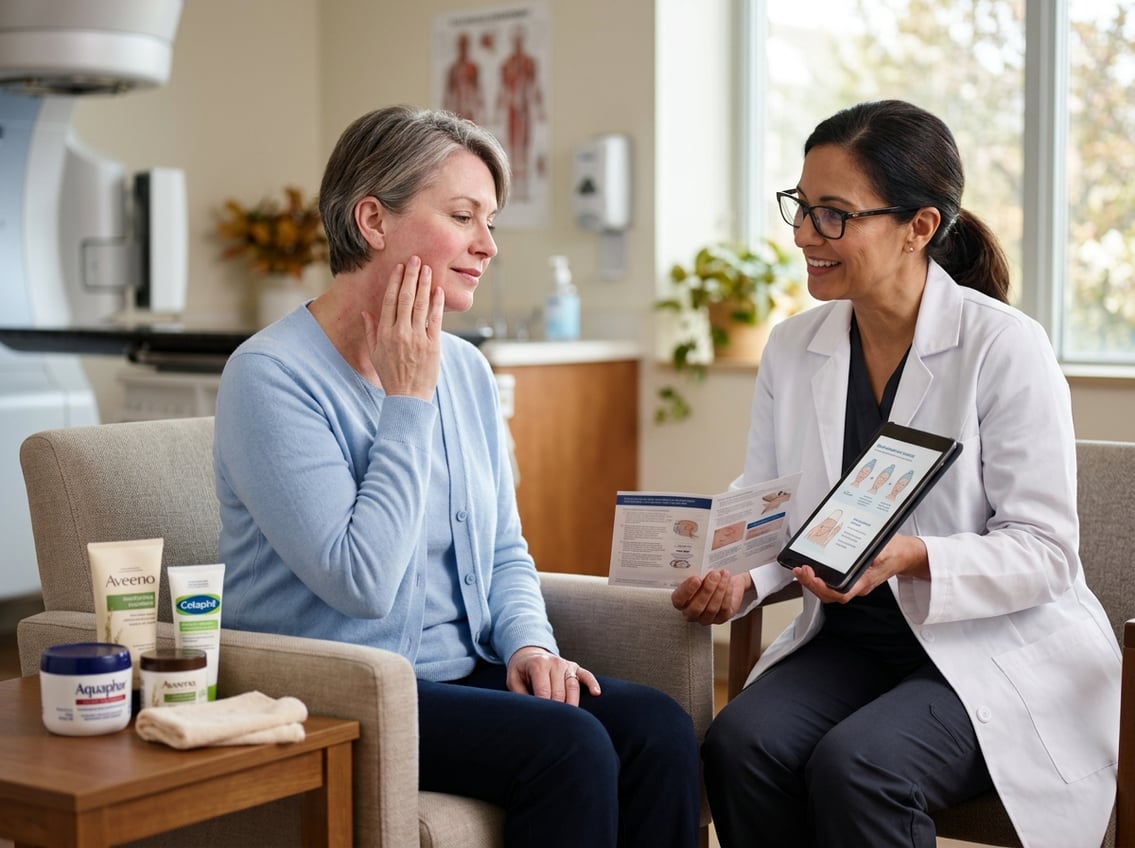
You manage skin sensitivity during radiation therapy by using gentle skincare, protecting treated areas from friction and sun, wearing soft, breathable clothing, and following your care team’s guidance closely.
Small changes in how you wash, moisturize, dress, and rest can reduce discomfort and help your skin recover more smoothly.
As you move through treatment, it helps to understand why your skin reacts, how to handle burns or peeling safely, what fabrics feel best, and how to support yourself emotionally along the way.
With the right approach, you stay more comfortable and feel more prepared for each week of therapy.
Understanding Radiation Skin Sensitivity

Radiation therapy often affects the skin in the treated area, leading to predictable but sometimes uncomfortable changes.
Knowing what those changes look like, when they tend to appear, and what makes them worse helps you plan practical skin sensitivity management from the start.
Common Symptoms and Reactions
Radiation can irritate healthy skin cells along with cancer cells. As treatment continues, you may notice changes that range from mild redness to more intense reactions known as radiation dermatitis.
Common symptoms include:
- Redness or darkening in the treated area
- Dryness and tightness
- Itching or tenderness
- Peeling or flaking
- Blistering or moist, open areas in more severe cases
The skin may feel warm, similar to a sunburn. In areas where skin folds, such as under the breast, in the groin, or under the arm, friction can worsen irritation.
Clothing can also affect comfort. Tight fabrics or rough seams may rub against sensitive skin, so loose, soft radiation dermatitis clothing made from cotton or other breathable materials helps reduce friction.
Managing these treatment side effects early can prevent small issues from becoming painful problems.
Timeline of Skin Changes
Skin reactions usually do not appear immediately. Most people begin noticing mild redness or dryness within 1 to 3 weeks after starting radiation.
Symptoms often build gradually as treatment continues. The skin may darken, itch, or peel around the midpoint or later weeks of therapy. In some cases, moist peeling develops near the end of treatment.
After radiation ends, reactions can temporarily worsen for about 1 to 2 weeks before they slowly improve. Healing typically occurs over several weeks, though skin tone changes may last longer.
Tracking changes weekly helps you respond quickly. If you notice cracking, drainage, or increasing pain, report it to your care team. Early adjustments in skin sensitivity management such as specific moisturizers or dressings can reduce complications.
Factors Influencing Sensitivity
Not everyone reacts the same way. Several factors influence how sensitive your skin becomes during treatment.
Treatment-related factors:
- Total radiation dose
- Size of the treated area
- Length of therapy
- Use of concurrent chemotherapy or immunotherapy
Higher doses and combined treatments often increase the risk of stronger skin reactions.
Personal factors also matter. Fair or very sensitive skin, existing skin conditions, smoking, and poor nutrition can affect healing. Areas exposed to friction, sweat, or sun exposure tend to react more intensely.
You can’t control every variable, but you can reduce stress on the skin. Wear soft radiation dermatitis clothing, avoid harsh soaps or fragranced products, and protect the area from sun exposure. Small daily choices play a direct role in how well your skin tolerates treatment side effects.
Essential Skincare and Burn Management Tips
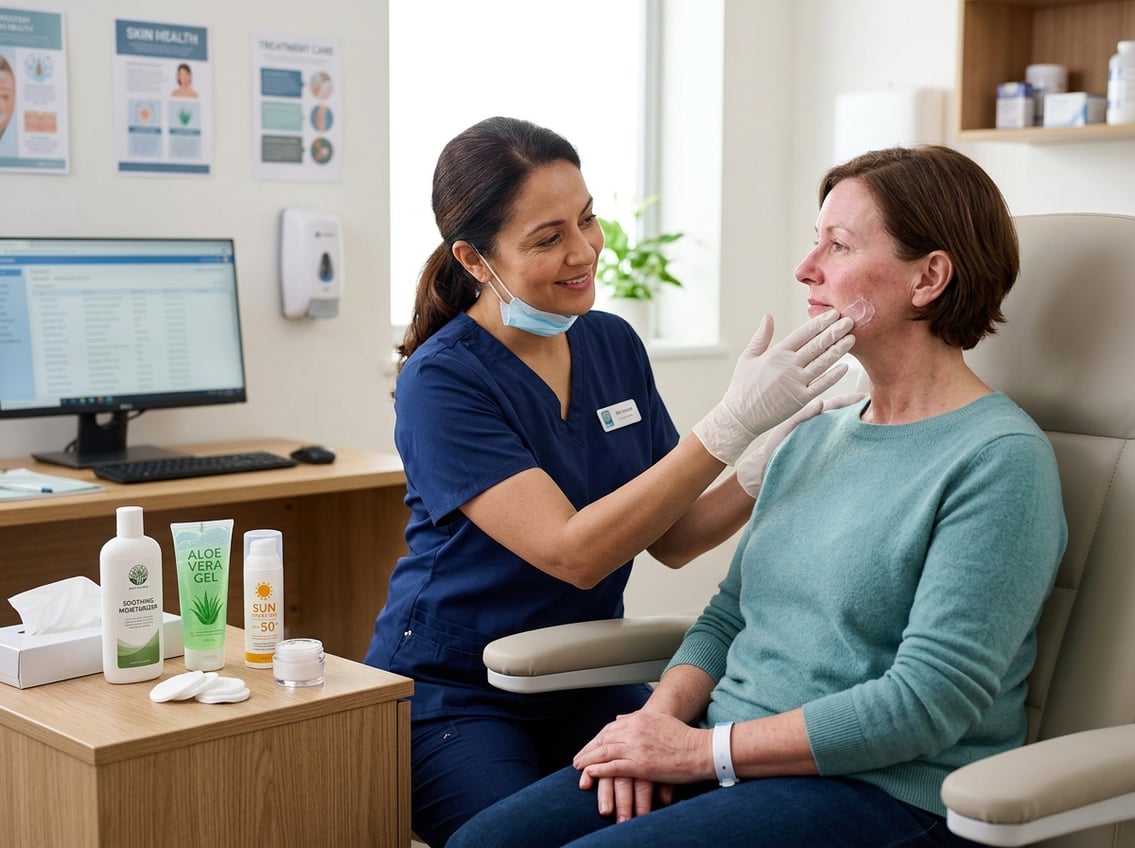
Radiation changes how your skin reacts to heat, friction, and everyday products. If you follow practical radiation skin care tips and treat irritation early, you lower your risk of painful breakdown and long healing delays.
Cleansing and Moisturizing Do’s and Don’ts
Wash the treatment area with lukewarm water and a mild, fragrance-free cleanser. Pat your skin dry with a soft towel instead of rubbing.
Avoid scrubs, loofahs, exfoliating acids, and heavily scented body washes. These products weaken already stressed skin and can trigger peeling or small open areas.
Apply a gentle moisturizer at least twice daily, unless your radiation team tells you otherwise. Many oncology teams recommend creams with ceramides, hyaluronic acid, or simple emollients like petroleum jelly. Apply after bathing and again before bed.
Do not apply thick creams within a few hours before treatment unless your care team approves. Some centers prefer clean, product-free skin during sessions.
Wear loose, soft fabrics such as cotton. Avoid tight straps, underwires, waistbands, or seams that rub the treatment field.
Quick reference:
Do
- Use mild soap
- Moisturize regularly
- Protect skin from sun
- Wear soft clothing
Don’t
- Use alcohol-based products
- Shave with a razor over treated skin
- Apply heating pads or ice packs
- Use adhesive tape directly on the area
These small habits play a big role in your radiation therapy survival guide.
Managing Radiation Burns Effectively
Most people develop some level of radiation dermatitis. You may notice redness, warmth, itching, or darkening by the second or third week of treatment.
Report skin changes early. Your team can prescribe topical steroids for inflammation or special dressings for moist, peeling areas.
If your skin becomes tender or starts to blister:
- Keep the area clean and dry
- Use non-stick dressings if skin opens
- Avoid popping blisters
- Follow medical instructions for prescription creams
For itching, try fragrance-free moisturizers or doctor-approved hydrocortisone. Avoid scratching, even if it feels mild at first.
Severe burns are less common, but they require medical evaluation. Effective radiation burn management prevents infection and speeds healing.
Stay out of direct sun. Treated skin burns faster and may remain sensitive for months after therapy ends.
Expert-Recommended Skin Care Products
Choose products labeled fragrance-free, dye-free, and for sensitive skin. Oncology clinics often suggest:
- Thick creams over thin lotions
- Plain petroleum jelly for moisture sealing
- Ceramide-based creams for barrier repair
- Gentle liquid cleansers instead of bar soaps
Avoid retinoids, benzoyl peroxide, alpha hydroxy acids, and strong acne treatments on treated skin.
If you receive both radiation and chemotherapy, your skin may react more strongly. When you combine treatments such as in tips to survive chemo and mastectomy together, your care team may adjust product recommendations.
Always check before trying herbal creams or “natural” balms. Natural does not always mean safe for radiated skin.
Red Devil Chemo Considerations
“Red devil chemo” usually refers to doxorubicin, a strong chemotherapy drug often used in breast cancer treatment. When you receive it alongside radiation, your skin may become more reactive.
You may notice:
- Increased redness
- Delayed healing
- Greater dryness
- Heightened sensitivity to pressure
Hydration matters more during this phase. Drink adequate fluids and moisturize consistently.
Tell your oncology team about any new rashes or dark streaks along veins. Doxorubicin can cause skin and nail changes that need monitoring.
Balance rest with gentle movement to support circulation and healing. If you manage radiation and red devil chemo together, proactive skin care becomes a key part of your daily routine.
Choosing the Right Clothing and Fabrics

What you wear during radiation therapy directly affects how your skin feels throughout the day. Breathable fabrics, gentle materials, and friction-free designs help reduce irritation and make radiation dermatitis easier to manage.
Breathable and Non-Irritating Fabric Selection
Radiation can make your skin dry, warm, and reactive. You need a breathable fabric choice that allows air circulation and reduces trapped heat.
Choose natural fibers whenever possible. Good options include:
- 100% cotton
- Bamboo
- Modal
- Lightweight organic blends
These fabrics absorb moisture and reduce sweating around treated areas. Synthetic materials like polyester or nylon can trap heat and increase itching, especially if you develop radiation dermatitis.
Wash new clothes before wearing them. Use fragrance-free, dye-free detergent and skip dryer sheets, since added scents and chemicals can irritate treated skin.
Loose, breathable layers also help you adjust to temperature changes in treatment centers. If your skin feels warm after a session, remove tight clothing as soon as you can to let the area cool naturally.
Benefits of Soft and Gentle Materials
During treatment, fabric texture matters as much as breathability. Rough seams or stiff fibers can feel uncomfortable against sensitive skin.
Look for gentle materials with a smooth surface. Soft cotton knits, bamboo blends, and modal fabrics tend to glide over the skin instead of dragging against it.
If you receive radiation to the chest area, consider:
- Soft bras during radiation with no underwire
- Seamless bralettes
- Front-closure bras to avoid lifting your arms repeatedly
Underwires and tight elastic bands can press into tender skin and increase soreness. A light-support bra made from non-irritating fabric helps minimize pressure while still giving you coverage.
You may also prefer tag-free shirts or garments with printed labels. Even small tags can rub repeatedly against a treatment site and cause redness over time.
Friction-Free and Comfortable Wear
Friction increases inflammation. When your skin is already sensitive, constant rubbing can worsen peeling or darkening in the treated area.
Choose radiation dermatitis clothing that fits loosely and allows easy movement. Think:
- Relaxed-fit T-shirts
- Button-down shirts for chest or shoulder treatment
- Stretchy waistbands instead of rigid jeans
- Soft joggers or loose pants
Avoid tight straps, narrow waistbands, and thick seams that sit directly over the treatment field. If your radiation area is under the arm or along the torso, sleeveless or wide-sleeve tops can reduce rubbing.
Comfort also includes ease of dressing. Clothes that slip on and off quickly make daily appointments simpler, especially if you feel fatigued.
When in doubt, pick friction-free wear that feels barely noticeable on your skin. If a garment feels slightly irritating now, it will likely feel worse after several weeks of treatment.
Selecting Bras, Loungewear, and Panties for Comfort
Radiation can leave your skin tender, warm, and easily irritated. The right bras, loungewear, and panties reduce friction, lift gently without pressure, and keep fabric soft against treated areas.
Best Post-Surgical and Mastectomy Bras
You need support without compression. Post-surgical bras and mastectomy bras work well because they focus on softness, front closures, and wide bands that don’t dig into healing skin.
Look for:
- Wire-free designs
- Seamless or flat seams
- Front hooks or zippers (easier if shoulder movement feels tight)
- Wide, padded straps
- Breathable fabrics like cotton or bamboo
If you have larger breasts, choose soft bras during radiation that lift enough to keep skin folds dry. Moisture trapped under the breast can increase irritation. A supportive but non‑restrictive band helps elevate tissue without pressing on the ribcage.
Avoid underwires, lace overlays, tight elastic, or molded cups that rub along incision lines. If your skin feels warm after treatment, switch into a looser bra at home. Some people even size up temporarily to reduce friction.
Wash bras in fragrance‑free detergent and skip dryer sheets. Chemical residue can worsen sensitivity.
Ideal Loungewear for Recovery
At home, prioritize loose-fitting loungewear that allows airflow. Tight clothing traps heat and rubs against treated skin.
Choose:
- 100% cotton, bamboo, or modal
- Tag-free tops
- Wide necklines or button-front shirts
- Soft joggers or drawstring pants
Button-front tops help you dress without lifting your arms too high. That matters if your chest or underarm area feels sore.
Double-rinse laundry to remove detergent buildup. Fragrances and fabric softeners often trigger itching during radiation. If your skin feels especially sensitive, change into clean, breathable clothes right after each session.
Layer lightly instead of wearing one heavy garment. Thin layers let you adjust quickly if your skin feels warm.
Supportive Panties and Underwear Tips
Radiation near the chest can still make your whole body feel sensitive. Choose panties that sit smoothly against your skin and don’t pinch at the waist.
Look for:
- Wide, soft waistbands
- Full-coverage or high-rise cuts
- Cotton gussets
- Minimal seams
Avoid tight elastic edges that leave marks. If you’re dealing with swelling or bloating, size up for a few weeks.
Seamless panties reduce rubbing, especially if you spend long hours resting. Wash them the same way as bras: fragrance-free detergent, no dryer sheets, and an extra rinse cycle.
When your skin feels fragile, simple and soft works best.
Self-Care and Emotional Support During Treatment
Radiation therapy affects more than your skin. You manage physical changes, daily routines, and shifting emotions at the same time, so steady support and realistic self-care habits matter.
Building Your Support System
You do not need to handle treatment side effects alone. Ask a trusted friend or family member to drive you to appointments, help with meals, or sit with you during long days.
Be specific about what you need. For example:
- Rides to radiation sessions
- Help with childcare or errands
- Someone to track medications or skin care routines
If you are also navigating chemo or recovering from surgery, such as a mastectomy, combine support plans. Many of the same tips to survive chemo and mastectomy together, like keeping a shared calendar and preparing easy meals in advance, also support your radiation therapy survival guide.
Talk openly with your care team. Report skin irritation, fatigue, or mood changes early so they can adjust creams, medications, or schedules before symptoms worsen.
Balancing Rest and Activity
Fatigue ranks among the most common treatment side effects during radiation therapy. You may feel tired even after a full night of sleep.
Plan short rest periods during the day instead of staying in bed for hours. Long naps can disrupt nighttime sleep and increase grogginess.
Light movement helps more than you might expect. Try:
- A 10–15 minute walk
- Gentle stretching
- Basic range-of-motion exercises if you had surgery
Listen to your body. If your skin feels irritated or tight in the treatment area, avoid friction from tight clothing and skip high-impact workouts.
Keep meals simple and regular. Balanced snacks with protein and fluids support energy and skin healing.
Mindful Techniques for Coping
Radiation therapy can bring anxiety about results, appointments, or visible skin changes. You can lower stress with short, structured practices.
Start with controlled breathing. Inhale for four counts, hold for four, and exhale for four. Repeat for a few minutes before treatment sessions.
Try brief daily check-ins. Write down:
- One symptom you noticed
- One question for your care team
- One small win, such as completing a walk
If worry feels constant or sleep becomes difficult, ask your provider about counseling or oncology support groups. Many cancer centers offer virtual options, which help when fatigue or skin sensitivity keeps you home.
You build resilience step by step. Consistent small habits often make the biggest difference during treatment.
Frequently Asked Questions
Radiation can leave your skin red, dry, and tender, so daily care matters. Clear washing routines, safe products, loose clothing, and steady nutrition can limit irritation and support healing.
What does irritated skin from radiation usually look like, and when should I worry?
Radiated skin often looks pink or red, similar to a mild to moderate sunburn. You might notice dryness, itching, warmth, or mild swelling in the treated area.
As treatment continues, the skin can darken, peel, or feel sore. Some people develop small blisters or moist, open areas in skin folds.
Call your care team if you see open sores, pus, spreading redness, fever, or severe pain. Also report any sudden changes, especially if you have diabetes or another condition that slows healing.
What’s the best way to wash and moisturize sensitive skin during radiation treatments?
Wash the treated area with lukewarm water and a mild, fragrance-free soap. Use your hands instead of a washcloth, and pat your skin dry with a soft towel.
Apply a plain, fragrance-free moisturizer recommended by your care team. Use it at least once or twice daily, but avoid putting lotion on right before a radiation session unless your team says it’s okay.
Do not scrub, exfoliate, or use adhesive bandages on the treated area unless your provider instructs you to.
Which creams or lotions are safe to use on radiated skin, and which ingredients should I avoid?
Choose simple, fragrance-free creams or ointments. Products labeled for sensitive skin and free of alcohol work best.
Avoid lotions with perfumes, menthol, camphor, retinoids, or alpha hydroxy acids. These ingredients can increase irritation and dryness.
Do not use over-the-counter steroid creams unless your radiation team approves them. Some prescription creams may help, but your doctor should guide that choice.
What should I wear to radiation appointments to keep my skin comfortable and prevent rubbing?
Wear loose, soft clothing made from breathable fabrics like cotton. Tight waistbands, bras, or seams that rub the treated area can worsen irritation.
Skip underwires and rough straps if your chest or upper body receives treatment. Choose simple layers you can remove easily during appointments.
At home, avoid heating pads or ice packs on the treated area unless your care team recommends them.
Are there any gentle at-home or natural options that can help soothe radiation burns or redness?
Cool compresses with clean, damp cloths can calm mild redness. Keep the cloth soft and avoid extreme temperatures.
Pure aloe vera gel without alcohol or added fragrance may soothe dry, irritated skin. Test a small area first and confirm with your care team before regular use.
Stick with simple options. “Natural” products with essential oils can still irritate sensitive skin.
What foods and drinks can support skin healing and help me feel better during radiation therapy?
Drink enough water so your urine stays pale yellow. Hydration supports circulation and skin repair.
Eat protein at each meal, such as eggs, yogurt, beans, chicken, fish, or tofu. Protein helps your body rebuild damaged tissue.
Include fruits and vegetables rich in vitamin C and other antioxidants, like berries, oranges, spinach, and bell peppers. If nausea or appetite loss makes eating hard, ask your care team about meeting with a dietitian.
Conclusion
Surviving radiation therapy takes patience, especially when skin sensitivity becomes part of daily life. Choosing gentle skincare products, soft fabrics, and loose-fitting clothing can ease discomfort and help you feel more at ease during treatment.
Every person responds to radiation differently, so it is worth taking time to find what soothes your skin best. Keep your care team informed of any changes, protect your skin from friction and sun exposure, and be patient with yourself as you move through treatment toward recovery.
0 comments