

Facing chemo and a mastectomy at the same time can feel overwhelming, especially when you do not know what recovery will demand from your body or your energy.
You juggle surgical healing, fatigue, possible nausea, limited arm movement, and emotional stress all at once. It helps to know what actually makes this phase more manageable.
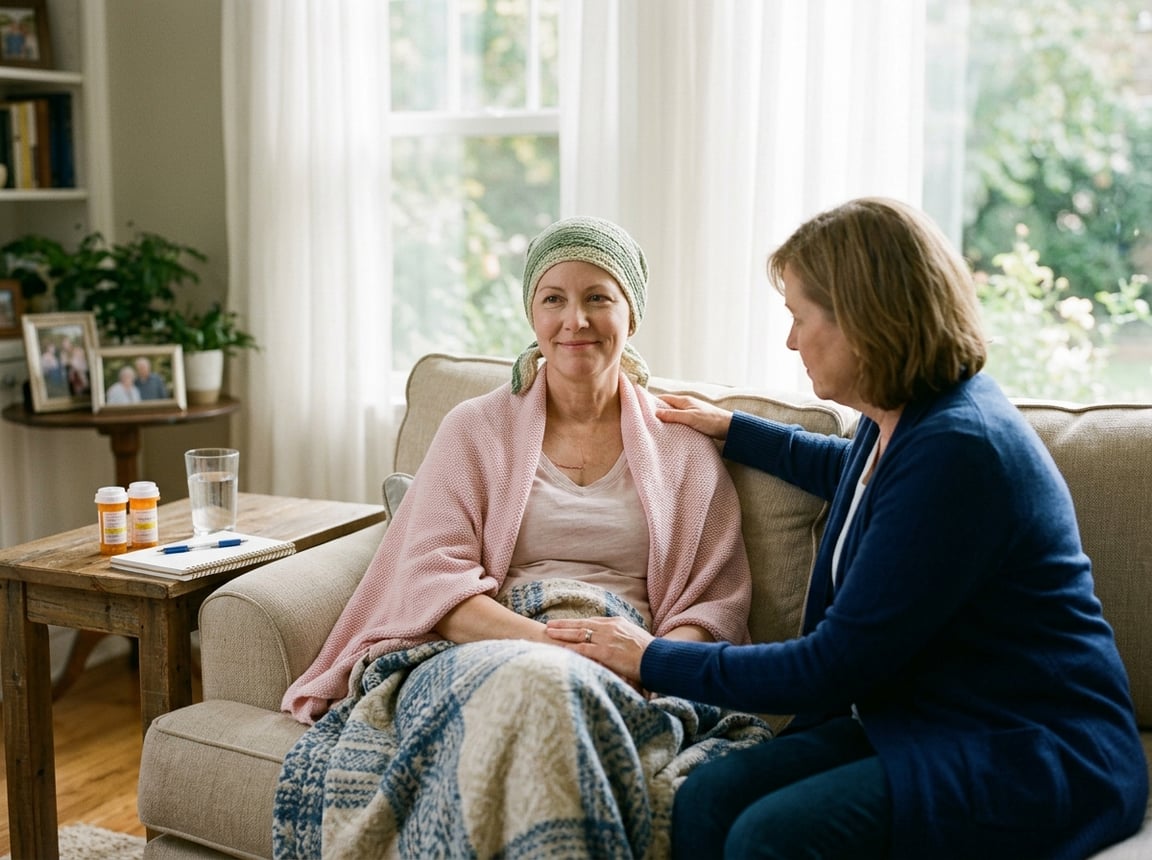
You can survive chemo and mastectomy together by preparing your space and schedule, choosing the right clothing and support items, managing drains and ports carefully, and pacing your energy every single day.
Small practical choices like setting up a comfortable recovery area, planning for limited mobility, and adjusting daily routines make a real difference in how steady and in control you feel.
You deserve a recovery plan that supports your body and your peace of mind. With the right strategies, you can reduce discomfort, protect your healing incisions, handle side effects, and move through this season with more confidence and less guesswork.
Getting Prepared for Dual Recovery

When you face chemo and a mastectomy close together, you deal with two healing processes at once. Clear planning around timing, support, and home setup helps you manage energy, pain, and side effects without feeling unprepared.
Understanding Overlapping Recovery Timelines
Chemo and surgery each have their own recovery pattern, and they often overlap.
After a mastectomy, you may need 4–8 weeks for surgical healing, depending on reconstruction, drains, and any complications. Chemo cycles can continue during that time or restart a few weeks after surgery, which adds fatigue, nausea, and low blood counts to your surgical recovery.
Ask your care team to outline your dual recovery timeline in writing. Include:
- Date of last chemo before surgery
- Expected surgery date
- Drain removal window
- When chemo resumes
- Follow-up visits and lab work
This simple timeline reduces guesswork.
Fatigue often peaks a few days after chemo, while surgical discomfort can last daily for weeks. Plan lighter activity during chemo “crash” days and schedule follow-ups when you typically feel stronger. Knowing where recovery overlaps helps you pace yourself instead of pushing through both at once.
Building a Combined Cancer Treatment Survival Guide
Create your own combined cancer treatment survival guide instead of managing scattered notes and advice.
Start with a binder or digital folder that includes:
- Medication list with doses and timing
- Side effect tracking sheet
- Wound and drain care instructions
- Emergency contact numbers
- Insurance and appointment details
Survivors often say preparation makes chemo and surgery feel less chaotic. A simple checklist keeps you from forgetting key questions during appointments.
Track patterns. For example, if nausea peaks on day three after chemo, plan easy meals and extra help that day. If arm stiffness worsens a week after surgery, schedule physical therapy exercises consistently.
Use a table like this to spot overlaps:
| Recovery Area | Surgery Impact | Chemo Impact | Your Plan |
|---|---|---|---|
| Energy | Limited movement | Deep fatigue | Schedule rest blocks |
| Infection Risk | Incision care | Low white cells | Strict hand hygiene |
| Appetite | Mild appetite change | Nausea | Small, frequent meals |
This guide becomes your go-to reference for recovering from surgery and chemo tips tailored to you.
Setting Up at Home Before Surgery and Chemo
Prepare your home before treatment starts or before surgery if chemo comes first.
Set up a recovery station near where you rest most. Keep medications, water, snacks, a thermometer, and phone charger within arm’s reach. After a mastectomy, avoid lifting more than your surgeon recommends, often no more than 5–10 pounds early on.
Stock easy meals that require little prep. Arrange help for:
- Childcare
- Pet care
- Laundry
- Grocery runs
Move frequently used items to waist level so you don’t stretch or strain your chest and shoulders.
Line up transportation for chemo days and post-surgery visits. You may not feel steady enough to drive, especially when fatigue builds.
Preparing for overlapping recovery timelines gives you more control during a physically demanding period. Clear planning, organized records, and a ready home reduce stress and let you focus on healing one day at a time.
Comfort Strategies for Combined Chemo and Mastectomy
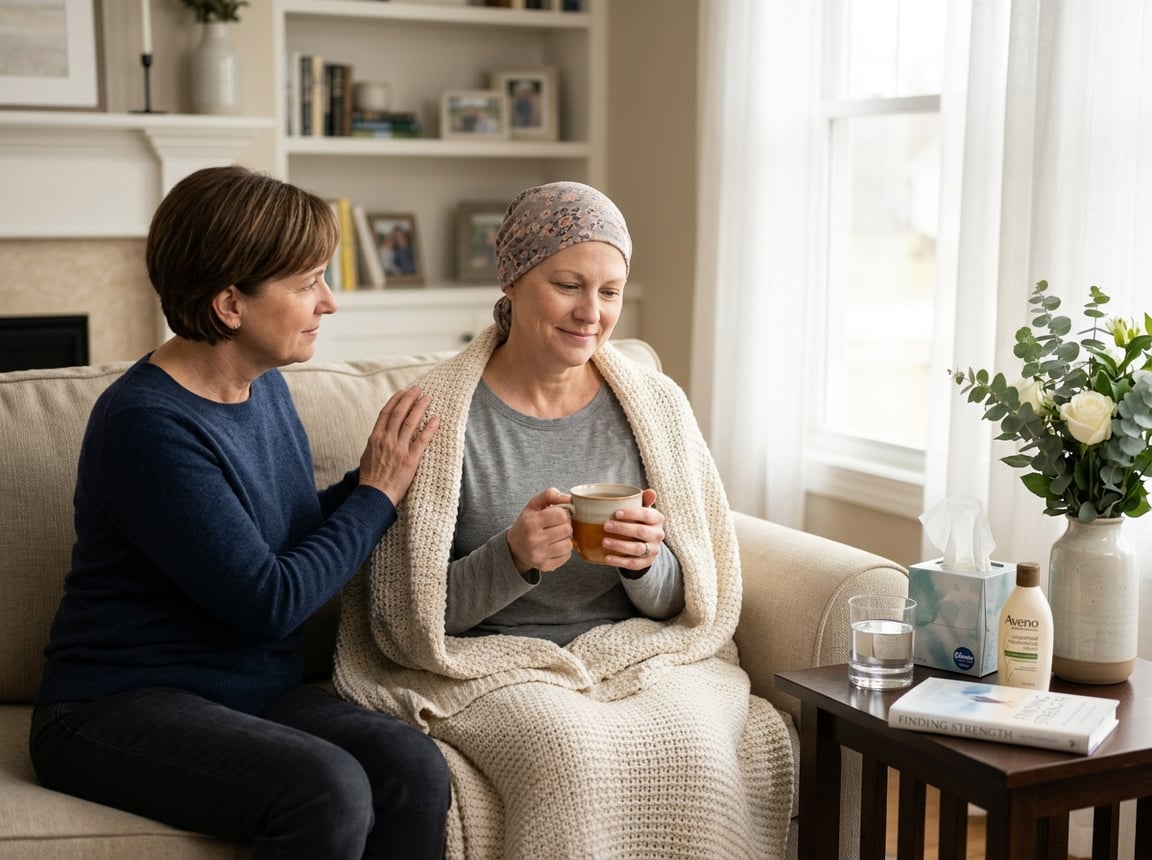
You manage two types of recovery at once: whole‑body side effects from chemotherapy and focused surgical healing from a mastectomy. Comfort improves when you plan for fatigue, nausea, incision care, and clothing changes at the same time instead of treating them separately.
Managing Dual Treatment Comfort Needs
Dual treatment comfort needs require you to balance rest with light movement. Short walks around your home help prevent stiffness and blood clots after surgery, even when chemo drains your energy.
Set up one main recovery space with essentials within arm’s reach. Keep water, anti‑nausea medication, lip balm, a thermometer, drain supplies, and a small pillow for chest support in one basket so you do not overreach.
Chemo can cause dry skin and mouth sores, while surgery can leave your chest tight and sore. Use fragrance‑free moisturizer on intact skin, saline rinses for mouth care, and follow your surgeon’s instructions for incision and drain care.
Pain control matters. Take prescribed medications on schedule rather than waiting for pain to spike, and track your symptoms in a notebook or phone app so you can report changes clearly to your oncology team.
Coping With Red Devil Chemo Side Effects
The “red devil chemo” often refers to doxorubicin, a bright red drug commonly used in breast cancer treatment. It can cause nausea, fatigue, mouth sores, hair loss, and lowered blood counts.
Take anti‑nausea medications exactly as prescribed, even on days you feel fine. Eat small, bland meals such as toast, rice, eggs, yogurt, or soup instead of large portions.
Hydrate consistently. Aim for clear or pale yellow urine unless your doctor gives different instructions.
Fatigue can feel heavy and persistent. Plan one priority task per day and rest before you feel exhausted.
Watch for fever above 100.4°F (38°C), chills, or unusual bruising. Red devil chemo can lower white blood cells, so report signs of infection right away.
Use a soft toothbrush and alcohol‑free mouthwash to reduce mouth irritation. If sores develop, ask about prescription rinses.
Essential Items for Layered Recovery Wardrobe
A layered recovery wardrobe helps you handle temperature swings from chemo and limited arm movement after mastectomy.
Choose clothing that:
- Opens in the front (button‑down shirts, zip hoodies)
- Has soft seams and loose armholes
- Allows easy access to drains
- Feels breathable and lightweight
Wear a soft, wire‑free bra or a post‑surgical bra if your surgeon recommends one. Some people prefer camisoles with built‑in drain pockets during the first weeks.
Keep a light cardigan or blanket nearby. Chemo can make you feel chilled, while hot flashes can hit without warning.
Slip‑on shoes prevent bending and strain on your chest and shoulders. Cotton or bamboo fabrics reduce irritation on sensitive skin.
When you combine practical clothing, symptom tracking, and planned rest, you create a setup that supports healing instead of adding stress. Small adjustments in comfort make daily recovery more manageable.
Clothing and Bra Choices to Aid Recovery

The right clothing reduces friction, protects surgical sites, and makes daily tasks easier while you manage chemo side effects. Focus on soft fabrics, easy access for ports and drains, and bras that support without pressing on healing tissue.
What to Wear During Chemo and Post-Mastectomy
When you’re dressing after mastectomy during chemo, comfort and access matter more than style. Choose loose, soft tops that open in the front so you don’t have to lift your arms above shoulder height.
Button-down shirts, zip hoodies, and wrap tops work well. They allow quick access to a chemo port and make dressing easier when you feel fatigued or sore.
Stick with breathable fabrics like cotton or bamboo blends. Chemo can make your skin sensitive and dry, and radiation can increase irritation. Rough seams and stiff fabric often feel worse than expected.
Look for tops with:
- Wide neck openings or front closures
- Room for swelling or temporary bandaging
- Lightweight layers for temperature swings
Many brands now design clothing specifically for treatment days, including port-friendly tops and post-surgery camisoles with drain pockets. These features reduce tugging and help you move with less discomfort.
Picking the Best Post-Surgery Bras
Post-surgery bras play a key role in healing. Your surgeon may recommend a specific compression level, especially in the first few weeks after surgery.
Choose bras that:
- Provide light to moderate compression
- Have wide, soft underbands
- Avoid underwire
- Include adjustable straps
Compression helps control swelling and supports healing tissue. However, it should feel snug, not tight or restrictive.
You may start with a surgical bra provided by the hospital. As swelling decreases, you can transition to other post-surgery bras designed for mastectomy recovery.
Look for flat seams and padded hook-and-eye closures. Raised stitching can rub against incision lines. If you had lymph node removal, make sure the arm openings don’t dig into your underarm area.
Front Closure Bras for Chemo Recovery
Front closure bras for chemo recovery make dressing much easier when your range of motion is limited. Reaching behind your back can strain healing chest muscles and incisions.
Front hooks or zippers let you:
- Put on and remove your bra without lifting your arms high
- Adjust tightness throughout the day
- Check incision areas easily
Many front closure bras also include gentle compression. That combination supports recovery and simplifies daily wear.
Choose closures that feel secure but not bulky. A zipper with a soft backing or a cushioned hook panel prevents skin irritation. If neuropathy from chemo affects your hands, larger hooks or zipper pulls can make fastening simpler.
You may find that you prefer front closure styles even after healing, especially if shoulder stiffness continues during treatment.
Pocketed, Cotton, and Mastectomy Bras: Pros and Cons
Mastectomy bras often include pockets to hold breast forms or prostheses. These pockets help balance weight and improve symmetry under clothing.
Pocketed bras – Pros:
- Securely hold breast forms
- Improve balance and posture
- Reduce shifting during movement
Cons:
- Slightly thicker fabric
- Can feel warm in hot weather
Cotton bras feel soft and breathable, which helps during chemo when your skin feels tender. They reduce friction and absorb moisture.
However, pure cotton may stretch out faster and offer less structured support. You may need a blend for better durability.
Some mastectomy bras combine cotton lining with structured outer fabric. That mix gives you softness against your skin and stable support outside.
Try different styles as swelling changes. What fits in week two may not work in month three.
Choosing clothing and bras that support healing, reduce irritation, and allow easy access makes daily life more manageable. Small adjustments in fabric, fit, and closures can lower discomfort and help you move through treatment with fewer physical barriers.
Dealing With Drain Pockets and Port Access
Managing surgical drains and a chemo port at the same time takes planning. The right clothing, simple routines, and careful skin care can prevent pulling, leaks, and irritation while you heal.
Tips for Managing Drain Pockets During Chemo
After surgery, you’ll likely go home with JP drains that collect fluid from your chest. During chemo, fatigue and nausea can make drain care feel harder, so simplify the process as much as possible.
Use internal drain pockets, soft drain belts, or shirts with built‑in holders instead of safety pins. Pins tug on fabric and can pull at your incision sites. Pockets keep the bulbs stable and reduce swinging when you move.
Keep a small log for:
- Drain output (amount and color)
- Time emptied
- Any changes in swelling or redness
Empty drains at the same times each day. Consistency helps you track progress and gives your surgeon clear information about when removal is safe.
If your skin feels tender from chemo, place a thin piece of gauze between the bulb and your skin. That extra layer reduces friction without adding pressure.
Choosing Garments With Drain Pocket + Port Access
When you’re balancing drain pockets and chemo, regular shirts often don’t work. Look for garments designed with drain pocket + port access features.
Front‑opening shirts are the most practical. Buttons or zippers let you dress without lifting your arms high, which matters after a bilateral mastectomy.
Helpful features include:
- Hidden internal drain pockets (two or four, depending on your surgery)
- Discrete zippers or snaps near the upper chest for port access
- Soft, breathable fabric to reduce skin irritation
- Loose but secure fit that doesn’t press on your port
Your chemo port usually sits under the skin below your collarbone. Choose tops that allow nurses to reach it easily without fully undressing you. That small detail saves energy on long infusion days.
Avoid tight sports bras or stiff seams over the port site. Pressure can cause soreness, especially during early chemo cycles.
Care and Dressing for Bilateral Mastectomy With Drains
A bilateral mastectomy often means drains on both sides of your chest. Balance becomes important because uneven weight can pull on one incision more than the other.
Distribute drain bulbs evenly using a shirt with four internal pockets or a wrap-style drain belt. Keep tubing straight and free of kinks.
When dressing:
- Sit down to reduce strain.
- Thread drains through pockets before standing.
- Adjust fabric so nothing presses directly on incision lines.
Inspect your chest daily in a mirror. Look for warmth, swelling, or unusual drainage, especially while your immune system may be lower during chemo.
Shower only when your surgeon approves. Until then, sponge baths help you stay clean without soaking the drain sites.
With the right clothing and a steady routine, you reduce strain on your incisions, protect your chemo port, and make daily recovery more manageable.
Pacing Your Recovery and Self-Care
Recovering from surgery and chemo at the same time takes planning and patience. You need to balance wound healing, energy levels, and emotional health without pushing your body too hard.
Tracking Your Dual Recovery Progress
Your dual recovery timeline will not look the same each week. Surgery healing often follows a more predictable path, while chemo side effects can come in cycles.
Keep a simple log to spot patterns. Write down:
- Pain levels and incision changes
- Drain output (if you have surgical drains)
- Energy levels day by day
- Nausea, appetite, and bowel changes
- Mood and sleep quality
This helps you see progress even when you feel stuck. For example, you might notice fatigue spikes three days after chemo but improves by day six. That insight lets you schedule rest during low-energy days and light activity when you feel stronger.
Focus on small, measurable goals. Walk to the mailbox. Do gentle arm exercises your surgeon approved. Eat three balanced meals, even if portions are small.
If something changes suddenly, like increased redness, swelling, fever, or uncontrolled vomiting, call your care team. Tracking is not just about progress. It helps you catch problems early.
Asking for and Accepting Help
Trying to manage everything alone slows recovery. Surgery limits upper body movement, and chemo drains energy, so daily tasks become harder than expected.
Be specific when asking for help. Instead of saying “I’m fine,” try:
- “Can you drive me to my infusion this week?”
- “Can you prepare meals I can reheat?”
- “Can you help me wash my hair?”
Accepting help reduces physical strain and lowers stress. Research from cancer support organizations shows that stress management and practical support improve quality of life during treatment.
Let friends organize a meal train or childcare schedule. Use delivery services for groceries and prescriptions. Save your energy for healing, light movement, and sleep.
You are not giving up independence. You are protecting your recovery.
Celebrating Milestones Along the Way
Progress during chemo and mastectomy recovery rarely feels dramatic. It shows up in small wins.
You might celebrate:
- Getting your drains removed
- Completing a chemo cycle
- Sleeping through the night
- Regaining shoulder range of motion
- Walking longer without fatigue
Mark these moments. Write them down or share them with someone close to you.
Recognizing milestones helps counter fear of recurrence and treatment anxiety. It reminds you that healing is happening, even if slowly.
Your body is rebuilding tissue, processing medication, and adjusting to change. That work deserves acknowledgment.
Pacing yourself, tracking real progress, accepting help, and honoring small wins give you structure during a demanding season. Steady effort, not speed, moves you through combined recovery.
Frequently Asked Questions
Chemo and mastectomy recovery overlap in ways that affect your energy, mobility, sleep, and infection risk. Planning, protecting your body, and knowing what changes to expect can make daily life more manageable.
How can I prep my home before starting chemo so day-to-day stuff is easier?
Set up a main recovery spot on one level of your home if possible. Keep medications, water, snacks, lip balm, tissues, and a phone charger within arm’s reach.
Move everyday items to waist height so you do not have to reach up or bend down after surgery. Stock your freezer with simple meals and paper goods to cut down on dishes.
Place a chair in the shower and install a handheld showerhead if you can. Put clean sheets on the bed and clear walkways to lower your fall risk when you feel weak or dizzy.
What are the must-have items to keep around during chemo and mastectomy recovery?
Loose, front-opening shirts make dressing easier when arm movement feels limited. A small pillow helps cushion your chest during car rides or while sleeping.
Keep a digital thermometer at home and know your oncology team’s cutoff for calling about a fever, often 100.4°F (38°C) or higher. Chemo can lower white blood cells, so quick action matters.
Have gentle, fragrance-free soap, soft washcloths, and recommended wound supplies on hand. Lip balm, unscented lotion, anti-nausea meds, and easy-to-digest snacks also help on rough days.
What should I avoid doing while I’m on chemo and healing from surgery at the same time?
Avoid lifting anything heavier than your surgeon recommends, often more than 5–10 pounds in the first few weeks. Do not vacuum, push heavy doors, or carry full laundry baskets early on.
Skip crowded indoor spaces when your immune system is low. Your oncology team may track your blood counts and tell you when to be extra cautious.
Do not soak in tubs or pools until your incision fully closes. Avoid shaving near the surgical area or using harsh products that can irritate healing skin.
How can I help my incision heal faster and manage tightness or limited arm movement after a mastectomy?
Follow your surgeon’s instructions for drain care and dressing changes. Keep the incision clean and dry, and watch for redness, warmth, swelling, or drainage.
Start gentle range-of-motion exercises when your surgeon clears you. Slow wall walks and light stretching can reduce stiffness and lower the risk of long-term tightness.
Good posture matters more than you think. Standing upright and doing approved shoulder exercises can ease chest wall tightness over time.
Does chemo usually feel tougher as treatments go on, and how do you cope when it ramps up?
Many people feel cumulative fatigue as cycles continue. Blood counts can drop lower with each round, which may increase tiredness and infection risk.
Plan less during the days you usually feel worst. Track your pattern so you can schedule appointments and errands on stronger days.
Stay honest with your care team about side effects. Dose adjustments, timing changes, or supportive meds can make treatment more tolerable.
What precautions should family members take at home, and is it okay to share a bed during chemo?
Family members should wash hands often and avoid close contact if they have a cold, flu, or fever. Ask visitors to reschedule if they feel sick.
Clean high-touch surfaces regularly, especially during weeks when your white blood cell count is low. Use separate towels and do not share personal items like razors.
You can usually share a bed if your partner is healthy. If you feel sensitive to touch near your chest or have drains, use pillows to create space and protect your surgical area.
You will not control every symptom, but you can control your setup, your routines, and when you ask for help. Small adjustments at home and steady communication with your care team make this combined recovery more manageable day by day.
Conclusion
Surviving chemo and mastectomy together is not easy, but it is possible with the right mindset and support system. Small adjustments, from comfortable clothing to a manageable daily routine, can make a real difference in how you move through treatment and healing at the same time.
Recovery looks different for everyone, and there is no need to rush the process. Lean on your care team, your loved ones, and the practical tools that make daily life easier. With patience and the right strategies, you can face combined recovery with strength and come out the other side feeling more like yourself again.
0 comments