

Chemo and surgery really change how your body feels from one day to the next. Soreness, fatigue, sensitive skin, and sometimes limited arm movement can all show up unexpectedly.
The clothes you wear? They can either add stress or make the day just a bit easier.
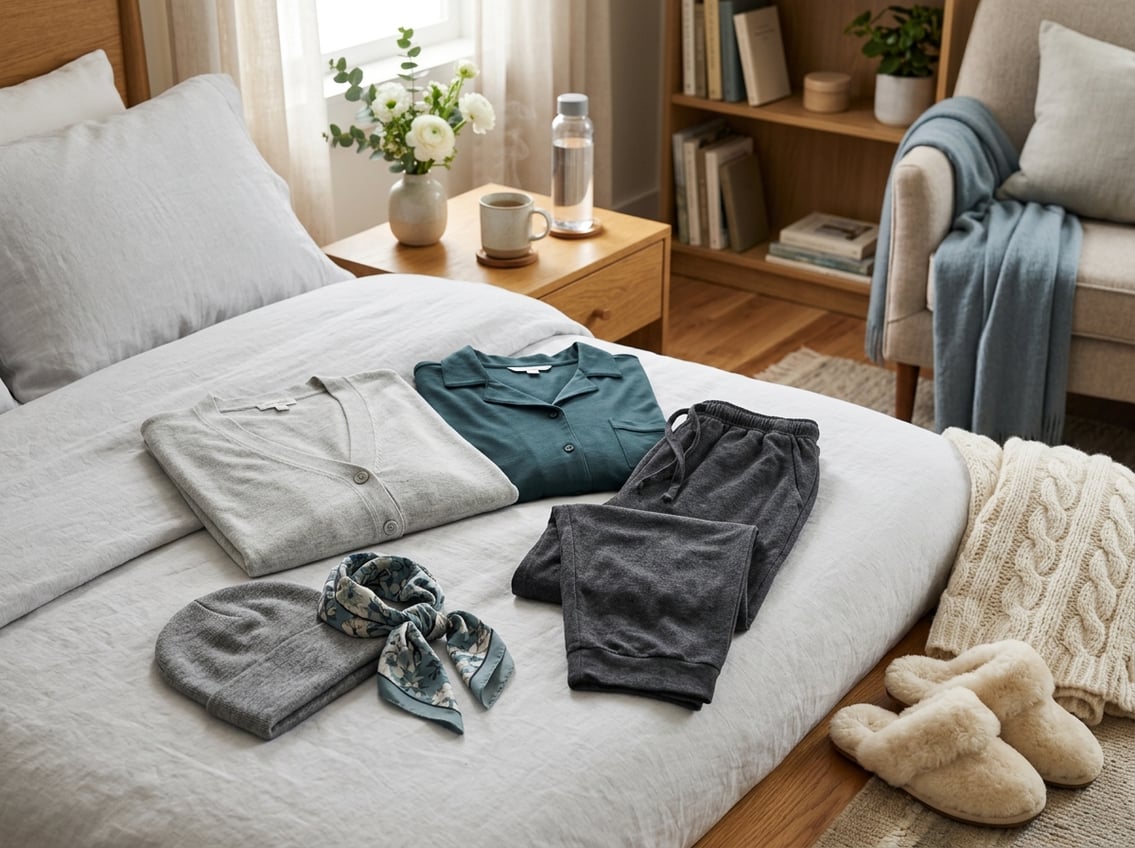
When you plan, it gives you a bit more control in a situation that often feels like too much. The right outfit helps with IV access, temperature swings, and healing after breast surgery or radiation.
Choosing Comfortable Clothing During Chemo
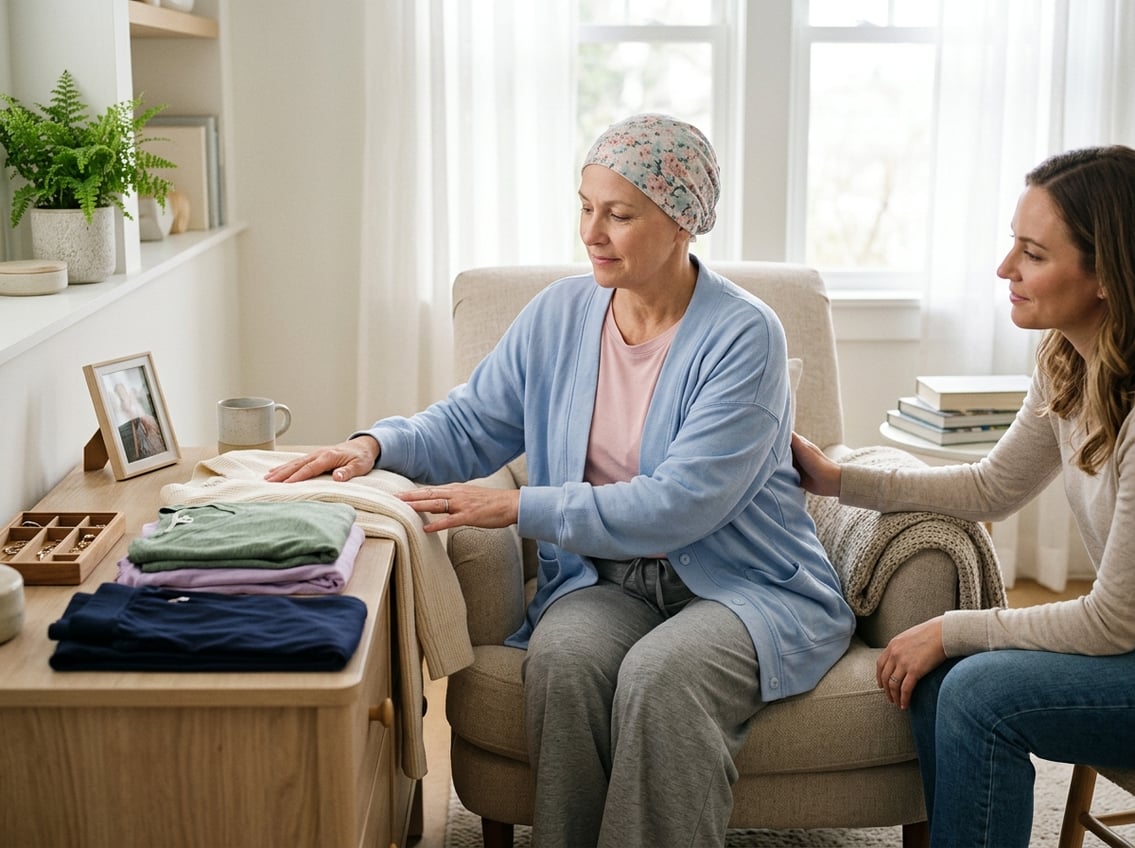
You’ll probably be sitting for hours during treatment, sometimes in a chilly room. The right clothes keep you warm, give nurses access to your port, and help protect your skin when it’s at its most sensitive.
Soft Fabrics for Sensitive Skin
Chemo can make your skin dry, itchy, or just weirdly tender. Clothes that used to be fine might suddenly feel rough or tight.
Reach for soft clothing for chemo patients made from cotton, bamboo, modal, or other fabrics that are smooth to the touch. These materials let your skin breathe and don’t trap heat, which is honestly a relief if you start feeling flushed during treatment.
Avoid stiff seams, heavy tags, and scratchy blends. Wool and rough polyester? Probably not your friends right now.
If a fabric feels even a little itchy at home, it’ll feel worse during a long chemo session. Wash new clothes before wearing them, using a mild, fragrance-free detergent, and your skin will thank you.
Loose-Fitting Tops for Port Access
Lots of people get chemo through a chest port or PICC line. You’ll want clothing that allows quick, easy access without having to undress completely.
Look for loose-fitting tops for port access. Scoop neck, V-neck, or button-down shirts are all solid picks. Nurses can reach your port with less fuss, and you don’t have to wrestle with tight layers.
Some brands even make tops with hidden zippers near the chest or shoulder. Or, you can just toss a loose cardigan over a tank top, which keeps you covered but is still practical.
Tight bras, high necklines, or snug athletic tops? Save those for another time. When you’re thinking about what to wear during chemotherapy, comfort and convenience win every time.
Loungewear for Treatment Days
Chemo sessions can drag on. You’ll probably spend most of it sitting in a recliner, reading, napping, or just zoning out.
Soft loungewear is usually the best bet. Try stretchy joggers, loose sweatpants, or wide-leg knit pants, paired with a relaxed T-shirt or long-sleeve top.
Pants with an elastic waistband are way better than buttons or belts, especially if your stomach feels bloated or sensitive. Flexible waistbands make a big difference.
Infusion centers can be cold, even in summer. Wear socks and slip-on shoes to make bathroom trips easier. If you want to curl up, they’re easy to kick off.
Clothing for cancer patients during treatment really should support sitting for long stretches. Soft, flexible pieces, honestly, they’re a lifesaver.
Zip Up Hoodies and Easy Layers
Temperature changes are just part of the deal during chemo. One minute you’re warm, the next you’re freezing.
Zip-up hoodies for chemo port access are a smart choice. You can unzip for access, zip up to stay cozy, and you don’t have to pull anything over your head.
Light layers give you control. Try this combo:
- Soft T-shirt or tank
- Zip-up hoodie or cardigan
- Lightweight scarf if you’re feeling chilly
Choose layers that are easy to remove while you’re sitting. If you get your IV in your arm, avoid tight sleeves.
When planning what to wear during chemotherapy, think layers. Easy access and steady comfort are the real priorities; style can wait.
Packing for Chemo Appointments
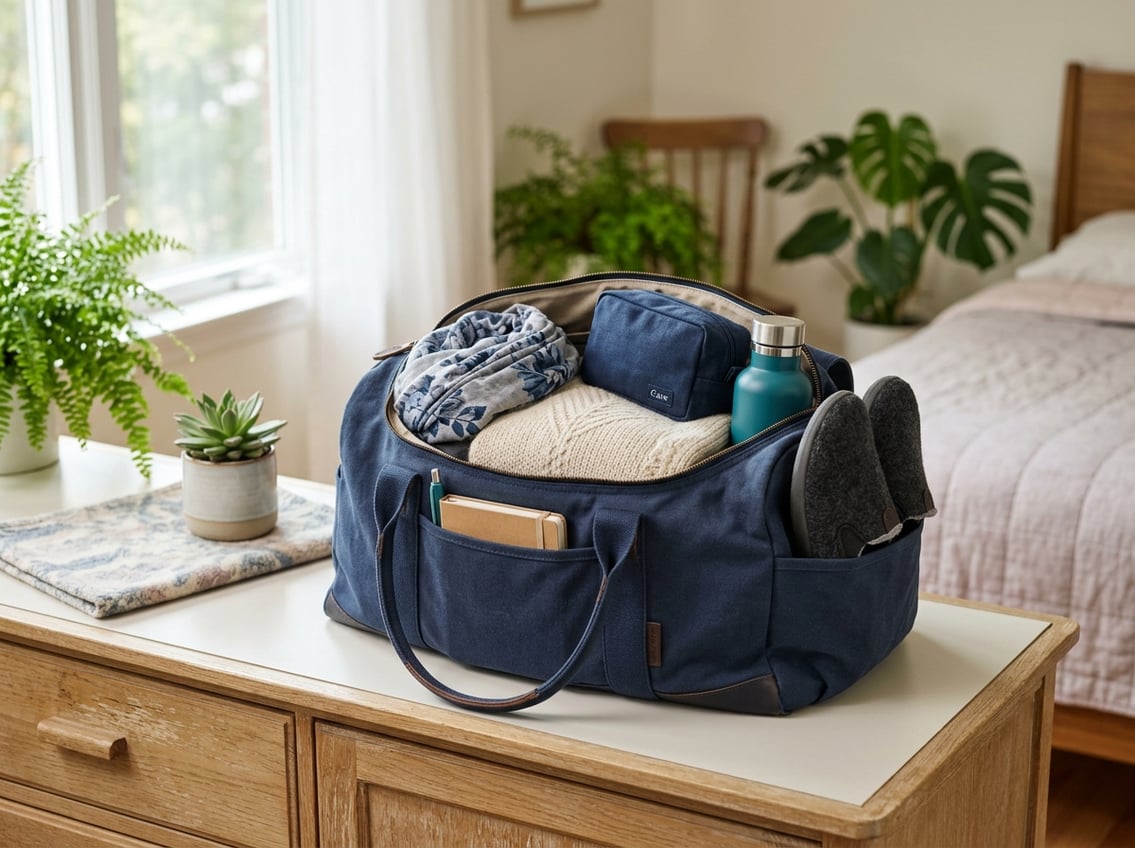
Chemo days can be long, so pack items that keep you comfortable and warm. Focus on soft layers, easy access to your port or IV, and a few extras to help you relax.
Essential Clothing Items to Bring
Pick comfortable clothes for chemo treatment that feel soft. Chemo can make your skin extra sensitive, so cotton or other breathable fabrics are best.
Wear or pack a loose button-down or zip-up top. Nurses need quick access to your port or arm, and you don’t want to undress in the treatment room. Short sleeves or stretchy sleeves help if you have an IV in your arm.
Bring a light sweater, cardigan, or hoodie. Infusion rooms are often chilly, and layers help you adjust without a full outfit change.
Soft loungewear pants, leggings, or joggers are ideal. Skip tight waistbands if you feel bloated or nauseated.
Slip-on shoes with non-skid soles make bathroom trips easier. If your feet get cold, pack some warm socks.
Recommended Accessories for Comfort
Small comforts can make a big difference. Pack a light blanket or shawl if your clinic allows it’s surprisingly helpful.
Bring a refillable water bottle and simple snacks like crackers or a sandwich, if your care team is cool with it. Appetite can be unpredictable.
Lip balm and fragrance-free lotion help with dry lips and skin. It’s a small thing, but it matters.
Consider packing:
- Headphones or earbuds
- A book, tablet, or puzzle book
- Phone charger (long cord is best)
- Short list of meds or questions for your care team
Keep it all in one tote you can grab and go. When you’re packing for chemo appointments, comfort, warmth, and easy access are key.
Dressing After Breast Surgery and Mastectomy
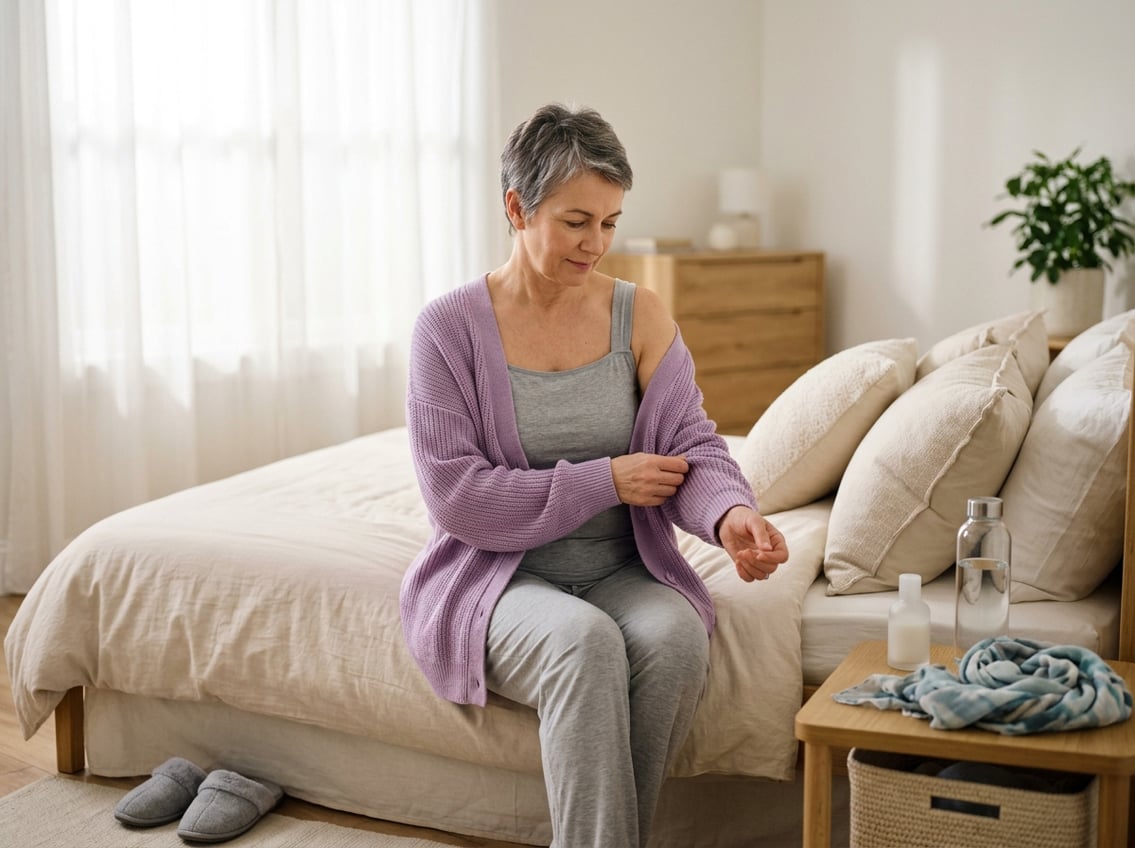
After breast surgery, your clothes need to support healing and protect tender skin. Pieces that don’t press on incisions or drains are a must.
Easy-to-Wear Clothes and Post-Surgery Outfits
Right after surgery, you might have drains, swelling, and limited arm movement. Pick easy-to-wear clothes after mastectomy that open in the front, like button-down shirts, zip-up hoodies, or wrap tops. You won’t need to lift your arms overhead, which is a relief.
Loose-fitting tops help reduce pressure on your chest. Stick with soft cotton or bamboo. Rough seams or tight elastic? Hard pass.
Some favorites include:
- Front-button pajama sets
- Oversized T-shirts with wide necklines
- Lightweight robes with pockets for drains
- Stretchy cardigans
For comfortable recovery outfits after breast cancer surgery, keep it simple. Dark colors or patterns can help hide fluid stains from drains. If you can find deep pockets or inside pouches, they’re great for holding drain bulbs.
Comfort comes first while you’re healing. You can always update your wardrobe as your range of motion gets better.
Front Closure and Mastectomy Bras
Your surgeon may recommend a post-surgery bra right after your procedure. These usually close in the front and give gentle compression to help with swelling.
Front closure styles are much easier when your arms are stiff. Look for:
- Wide, soft straps
- No underwire
- Adjustable hooks or Velcro
- Smooth inner lining
As you heal, you might switch to mastectomy bras. These have built-in pockets for a breast form, if you want one. Getting a proper fit can really help with balance and comfort, especially after a single mastectomy.
Some folks like lightweight breast forms that attach directly to the body. Others prefer pocketed bras. Try a few options and see what feels best for you.
Tight sports bras should probably wait unless your doctor says otherwise. Too much pressure can slow down healing.
Picking the Right Panties
Panties might seem like an afterthought, but they matter during recovery. After breast surgery, you might feel bloated or sore from meds. Soft, stretchy underwear is a small thing that can help a lot.
Look for panties with:
- A wide waistband
- No tight elastic edges
- Breathable cotton fabric
High-waisted styles can feel more secure and smooth under loose tops. If you had reconstruction using tissue from your abdomen, avoid waistbands that hit your incision site.
Seamless panties cut down on rubbing and irritation. Skip shapewear for now; comfort and gentle fabric are what you need most.
Fabrics for Radiation and Sensitive Skin
Radiation and chemo can leave your skin dry, sore, and super reactive. The right fabric can seriously lower friction, reduce itching, and help you get through those long treatment days.
Soft Materials for Irritated Skin
Your skin may feel tender, warm, or tight during radiation. Go for soft fabrics for radiation skin that lower rubbing and let air move.
Some good options:
- 100% cotton (organic is even better): breathable and gentle
- Bamboo fabric: smooth, light, and moisture-wicking
- Silk: soft and low-friction for really sore areas
These materials double as soft clothing for chemo patients, too. When your skin is dry or extra sensitive, every little bit helps.
Pick lightweight shirts, loose bras with no underwire, and relaxed pants. Tightly woven but soft fabrics also help protect your skin from sun exposure, which is a bigger deal during chemo than you might think.
If you have a treatment area on your chest, look for tops with wide necks or easy openings, so you’re not pulling fabric over sore skin. Washing new clothes before you wear them removes any weird finishes that might irritate already-treated skin.
On a global scale, an estimated 2.3 million new breast cancer cases were diagnosed worldwide in 2023, with the annual toll projected to rise by a third to over 3.5 million cases by 2050. (Institute for Health Metrics and Evaluation)
How to Avoid Fabric Irritation
Radiation can make your skin react to things you never even noticed before. Suddenly, small details in clothing cause redness or itching; who knew a tag could be so annoying?
Avoid:
- Wool and rough knits
- Thick seams over the treatment site
- Tight elastic bands
- Scratchy tags
Go for loose-fitting, sensitive skin clothing during treatment. Clothes should skim your body, not squeeze it.
Friction really can make things worse, especially in spots that get daily radiation. It's wild how a seam or waistband can suddenly become the enemy.
Wash your clothes in mild, fragrance-free detergent. Run an extra rinse cycle to get rid of residue.
Skip dryer sheets and fabric softeners; they just leave chemicals on the fabric, which isn't helping.
If your skin feels warm after a session, change into clean, soft clothes as soon as you can. Small steps like these can lower irritation and help your skin recover between treatments.
Maintaining Comfort and Ease Throughout Recovery
Your body goes through a lot during chemo and after surgery. The right clothes help you stay warm, move more easily, and avoid pain in sensitive areas.
Layering Options for Changing Temperatures
Chemo rooms are often chilly, even when it's warm outside. After surgery, your body might struggle to regulate temperature, so layers you can add or peel off without much effort really matter.
Start with a soft, breathable base layer. Cotton or bamboo shirts feel gentle on sensitive skin. No need to get fancy, just something that doesn't scratch.
Dry or irritated skin is common, so skip rough seams or tight elastic. It's about comfort, not style points.
Add a light cardigan, zip hoodie, or button-down shirt. Front closures are a lifesaver, especially for easy dressing post-surgery.
You won't have to lift your arms high, which is a relief if your chest or shoulders are sore. Keep a small blanket or wrap in your bag for chemo days; those sessions can drag on.
A simple layering setup might look like:
- Soft tank or tee
- Front-zip sweatshirt
- Loose joggers or stretch pants
- Slip-on shoes
This combo is a classic for clothing for cancer patients during treatment. It keeps you warm and flexible, which is honestly all you want sometimes.
Adapting Clothing Choices as Needs Shift
Your needs can change week by week. Swelling, drains, ports, or limited arm movement all affect what feels comfortable, sometimes unpredictably.
Right after breast surgery, choose loose tops with wide armholes or snap fronts. Most folks end up living in soft pajama sets or loungewear with front closures for a while.
These make dressing easier and reduce pulling near incisions. If you have a chemo port, wear tops that allow quick access to your chest. V-necks, wrap tops, or button-down shirts work well.
Nurses can reach the port without you having to fully undress, which is one less hassle. As healing improves, you might switch back to pull-on tops, but keep fabrics soft and waistbands stretchy.
Your body may feel tired, bloated, or sensitive for months. Focus on:
- Easy access
- Soft fabric
- Loose fit
- Simple fasteners
Frequently Asked Questions
You're probably looking for clothes that feel soft, allow easy access to ports or lines, and help you stay warm in a cool clinic room. It helps to have simple items in your bag for comfort during those long treatment days.
What’s the most comfortable outfit to wear to a chemo infusion?
Loose pants or joggers and a soft cotton or modal top are usually winners. Fabrics that breathe and don’t rub against your skin are the way to go.
Pick a shirt with a zipper, buttons, or a wide neckline. It makes it easier for nurses to reach your chest or arm; there's no need to struggle with tight necklines.
Bring a light cardigan, zip hoodie, or blanket scarf. Infusion rooms can be freezing, and you’ll probably be sitting for hours.
Slip-on shoes with good support are smart. Swelling happens, and bending down isn’t always easy.
It's sobering to realize that in 2024, the American Cancer Society estimated 310,720 new cases of invasive breast cancer in U.S. women, and about 42,250 women are expected to die from the disease this year.
What should I wear to chemo if I have a port?
Choose a top that gives easy access to your upper chest. V-neck shirts, wrap tops, and button-down shirts are all solid options.
Avoid tight necklines or heavy seams over the port site. Pressure there just isn’t worth it.
Layer with a zip-up hoodie instead of a pullover. That way, your arms stay warm while your chest is accessible.
What should I wear to chemo if I have a PICC line?
A PICC line usually sits in your upper arm, so short sleeves or loose sleeves that you can roll up are best. No need to wrestle with your clothes.
Avoid tight elastic bands around your upper arm. They can press on the line and cause discomfort, definitely not what you want.
If you want more coverage, wear a soft cardigan or shawl. You can slide it off one shoulder without disturbing the line.
Do I need to wear a bra to chemo, or is it better to skip it?
You don't have to wear a bra if you don't want to. Comfort comes first during treatment, honestly.
If you prefer support, choose a soft bra without underwire. Wide straps and a smooth band that doesn't press on a port or surgery site are key.
After breast surgery, front-closure bras are often easier to manage. They reduce shoulder strain and arm movement. Small mercies make a difference.
What are the best things to pack in a chemo bag for a long infusion day?
Pack a light blanket or large scarf. Clinics can feel cold, and a bit of warmth helps you relax.
Bring lip balm, hand lotion, and a small water bottle. Chemo can dry out your skin and mouth in ways you might not expect.
Add snacks that are easy on your stomach, like crackers or plain protein bars. Include headphones, a book, or a tablet, anything to pass the time.
Keep your ID, insurance card, and a list of medications in a small pouch. It just makes check-in go smoother.
Where can I find free or low-cost clothing that works well for cancer treatment days?
Check out local cancer support centers or ask at your hospital's social work office. A lot of these places offer free wigs, scarves, and sometimes even comfy clothes.
Thrift stores are worth a look. Soft button-down shirts, zip-up hoodies, and loose pants pop up pretty often, and you can usually score good cotton basics without spending much.
If you’re comfortable, ask friends or family if they have any soft layers you could borrow. Comfort and fit matter way more than having something brand new, especially on treatment days.
Small Choices, Real Comfort
Treatment days are already demanding enough. The last thing you need is clothing that fights against you, whether that means a neckline that blocks port access, a waistband that digs in when you're already nauseated, or a fabric that irritates skin that's already been through enough.
The right outfit will not cure anything. But it can take a few things off your plate on days when your energy is limited, and your body needs every bit of support it can get. Soft fabrics, front closures, easy layers, and a little planning are small decisions that add up to a more manageable day.
Your needs will also shift as treatment progresses. What works during an infusion appointment may not work during the week after surgery. What fits comfortably in week one might feel different in week four. Permit yourself to keep adjusting. There is no perfect formula, only what feels right for your body on that particular day.
If you are still figuring out what works, start simple. A loose cotton top, stretchy pants, slip-on shoes, and a zip-up hoodie cover most situations. Build from there as you learn what your body needs.
And if comfort is the only thing you get right on a hard day, that is more than enough.
0 comments