
Most people begin gentle shoulder and arm movement within days of a mastectomy, once their surgical team clears it, and build up over several weeks. Walking usually restarts early; lifting, overhead stretching and impact come later. Timelines vary with drains, node removal and reconstruction, so clearance must come from your own surgeon.

You can exercise after mastectomy, but you should match each activity to your healing stage and medical advice. Before surgery, learn which movements and limits may apply. After surgery, protect incisions and drains, watch for swelling or pain, and increase activity at a steady pace.
This guide explains when you can resume daily movement, strength training, and higher-impact exercise. You’ll also learn how to manage stiffness, choose comfortable support, and recognize signs that require medical advice.
Medical Clearance And Recovery Factors
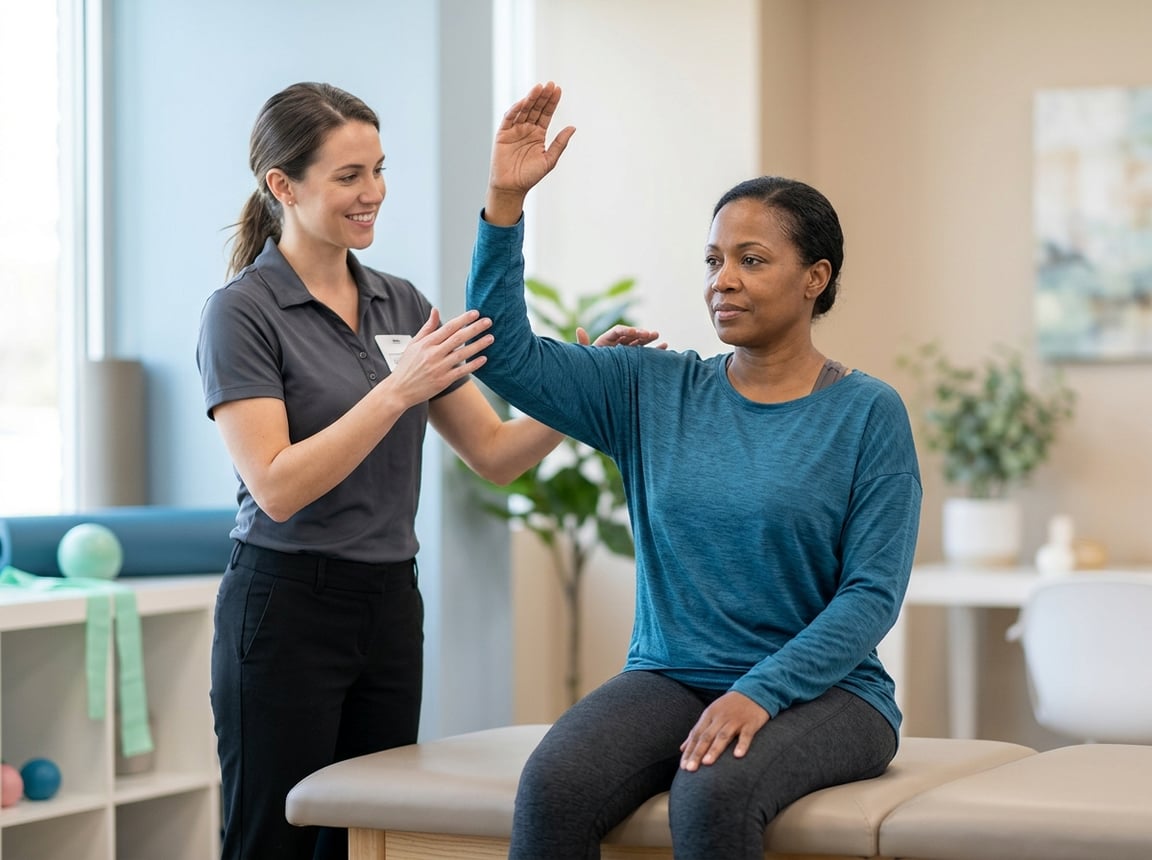
Your return to exercise depends on the surgery you had, how your incision heals, and whether you still have drains. Your surgeon or breast care team should set the timing, limits, and signs that require a call.
How Surgery Type And Reconstruction Affect Timing
Your surgeon may allow gentle hand, wrist, elbow, and shoulder movement soon after a simple mastectomy. You may need a slower plan after breast reconstruction, especially with implants, tissue expanders, or flap surgery. Reconstruction can limit stretching, lifting, and upper-body exercise while the breast and donor site heal.
Ask your surgeon when you can:
- Walk for exercise
- Lift your arms above shoulder level
- Lift objects
- Stretch your chest and shoulder
- Resume strength training or swimming
If you had breast-conserving surgery, such as a lumpectomy, you may regain movement sooner, but you still need clearance if you had lymph nodes removed or radiation. Your care team may adjust exercises for pain, swelling, or limited shoulder motion.
Why Drains And Incision Healing Matter
Surgical drains remove fluid from the area and can affect how you move. You can usually take short walks and perform approved gentle movements, but you should avoid pulling, twisting, or lifting in ways that tug on the drain or its tubing.
Keep the drain secured as your care team instructed. Do not exercise in a pool or open water until your team confirms that your incisions have fully closed and your drains are removed. Follow your surgeon’s limits even if you feel stronger, because deeper tissues may still be healing.
Watch the incision and drain sites for increasing redness, warmth, swelling, drainage, or pain. A sudden increase in fluid, a detached drain, or an opening in the incision also needs prompt medical advice.
When To Contact Your Care Team
Contact your surgeon before increasing exercise if pain, swelling, or tightness worsens during or after activity. Stop the exercise and call if you notice new arm swelling, heaviness, redness, warmth, or reduced movement.
Seek urgent help for chest pain, severe shortness of breath, fainting, uncontrolled bleeding, or sudden severe swelling. Call promptly for a fever, pus-like drainage, spreading redness, or an incision that opens.
Keep scheduled follow-up visits so your team can check healing, remove drains, and update your restrictions. Ask for a physical therapy referral if shoulder motion remains limited, daily tasks are difficult, or you need a supervised plan.
A Phased Return To Everyday Movement
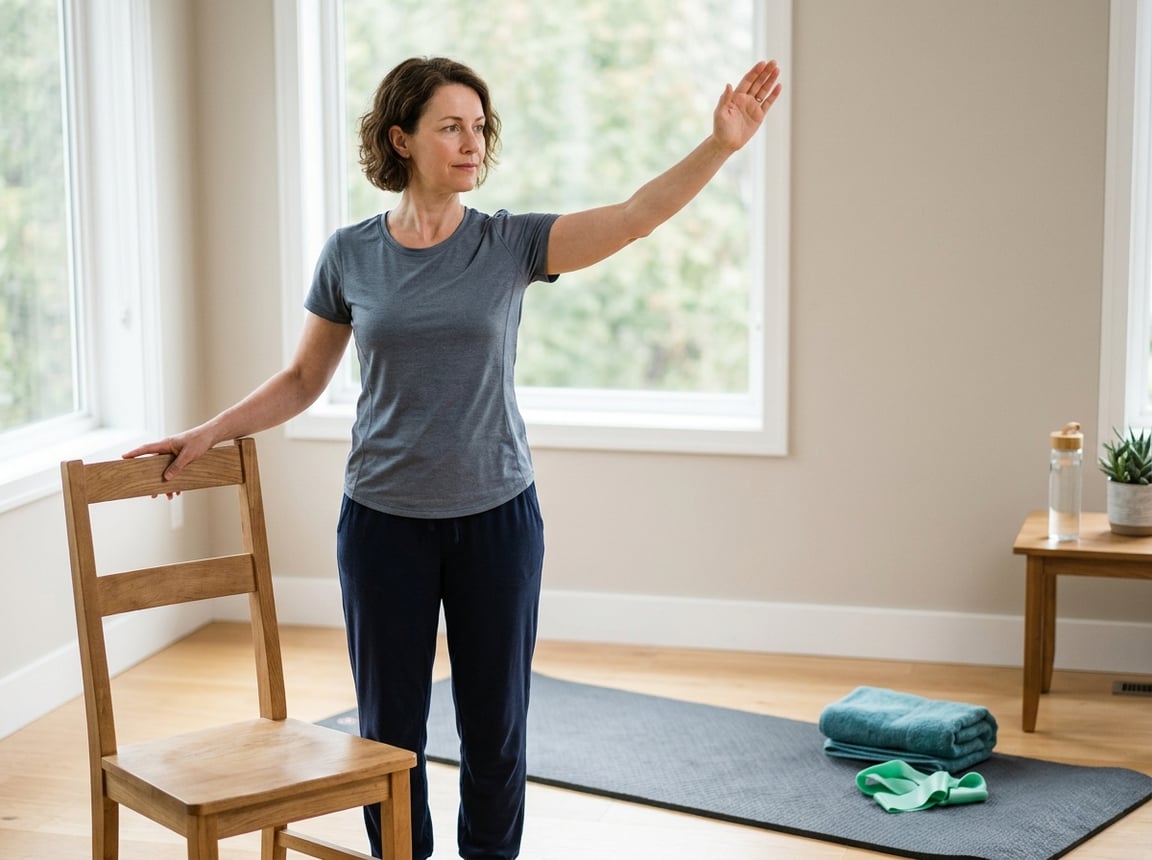
Your recovery should progress from short walks and gentle movement to regular daily activity. Follow your surgeon’s restrictions, especially if you had reconstruction, drains, wound problems, or lymph node surgery.
The First Days: Walking And Gentle Mobility
Start with several short walks each day, such as five to ten minutes around your home. Walk at an easy pace, keep your posture relaxed, and stop before you feel tired. Walking supports circulation and helps you return to basic daily tasks.
Move your fingers, wrists, elbows, and neck gently through a comfortable range. Avoid lifting, pushing, pulling, or reaching overhead unless your surgical team permits it. Do not force your shoulder or stretch across your chest while your incision or drains heal.
Keep your pain within the level your care team considers acceptable. Stop and contact your surgical team if movement causes new swelling, bleeding, wound opening, fever, severe pain, or shortness of breath.
Early Recovery: Restoring Comfortable Arm Use
As your surgeon allows, use your affected arm for light tasks, such as washing your face, eating, dressing, or brushing your hair. Move slowly and keep your elbow supported if your arm feels heavy or sore. Gentle use can help restore shoulder range of motion without placing heavy stress on healing tissue.
Your care team may recommend arm exercises after breast surgery, such as shoulder rolls, elbow bends, and supported forward reaches. Perform each movement smoothly and stop at a mild stretch, not sharp pain. Your instructions may differ if you had reconstruction or a drain.
Avoid lifting heavy objects and repetitive overhead work until you receive clearance. A physical or occupational therapist can adjust shoulder exercises after breast cancer surgery to match your surgery and progress.
Later Recovery: Building Activity Duration
When daily movement feels easier and your wounds have healed as expected, increase activity duration gradually. Add a few minutes to your walks every several days, or increase distance while keeping a comfortable pace. Do not increase time, speed, and resistance at the same time.
Begin strengthening only when your surgical team approves it. Use light resistance and controlled movements, then allow your body time to recover. This gradual load progression helps you identify problems early and reduces unnecessary strain.
Pay attention to delayed symptoms, including increased arm or chest swelling, tightness, heaviness, numbness, or worsening pain. Report these changes, especially if they persist after rest, because you may need an exercise adjustment or assessment for lymphedema.
Returning To Strength Training And Higher-Impact Exercise
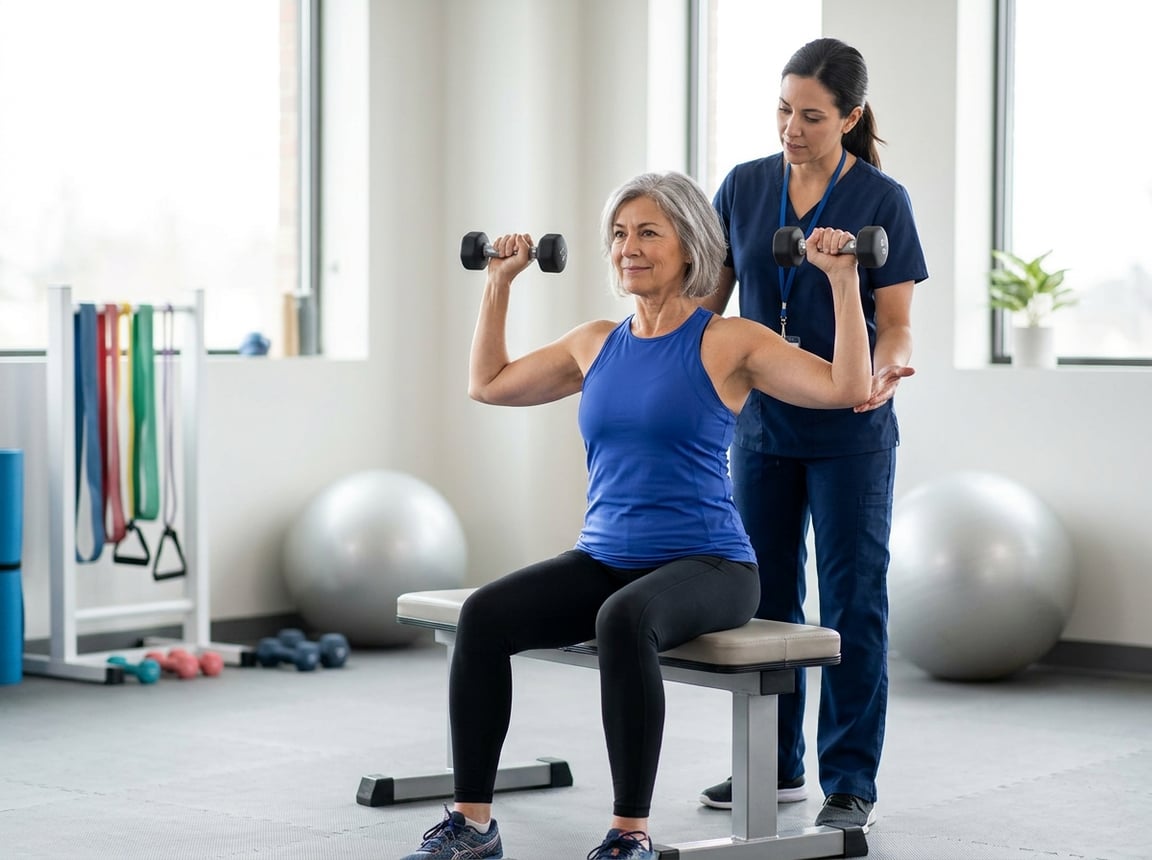
You can return to weights, running, and other demanding activities after your surgeon confirms that your incision, drains, and reconstruction have healed enough. Progress slowly, watch for swelling or pain, and adjust your plan with a physical therapist when needed.
Lifting Weights Safely After Surgery
Your surgeon may restrict lifting to about 5–10 pounds for the first 4–6 weeks, but your timeline may differ after reconstruction, complications, or additional treatment. Follow your surgeon's specific instructions rather than using a fixed date.
Once you are further along and cleared for resistance work, the evidence is more reassuring than older guidance suggested. In the Physical Activity and Lymphedema trial published in JAMA, breast cancer survivors one to five years post-surgery who followed a supervised, slowly progressive weight-lifting program had a lower rate of lymphedema onset at one year than those who did not lift, at 11% compared with 17%. A companion trial in the New England Journal of Medicine found that in women who already had lymphedema, progressive weight lifting did not worsen arm and hand swelling. This does not shorten your early restrictions, but it does mean supervised strength training belongs in your recovery rather than being avoided indefinitely.
Start with pain-free movements that restore shoulder motion. Then use light resistance, such as a resistance band or a small dumbbell. Begin with one set of 8–12 controlled repetitions. Avoid holding your breath, jerking the weight, or training to exhaustion.
Increase only one factor at a time: weight, repetitions, or sets. Check your arm, chest, and underarm area later that day and the next morning. New swelling, tightness, heaviness, redness, or reduced movement may signal a problem, including possible lymphedema. Stop and contact your care team if these symptoms persist or worsen.
Returning To Running And Cardio Workouts
Walking often provides the safest first step. Start with short, easy walks and increase the time before increasing speed. If your incision has healed and your surgeon approves, progress from brisk walking to intervals such as one minute of easy jogging followed by several minutes of walking.
Wear a supportive, comfortable bra or recovery garment that does not rub the incision or press on a tender area. Choose a flat route at first, and avoid running if arm swinging causes pain, pulling, or swelling.
You can also use a stationary bike or elliptical trainer when cleared. Delay swimming until your wounds have fully closed and your medical team approves it, because open wounds increase infection risk.
How To Progress Without Overdoing It
Use a gradual load progression. Increase your workout time, distance, or resistance by a small amount, then keep that level for several sessions before adding more. Schedule rest days and include gentle shoulder and chest mobility exercises as advised by your physical therapist.
Pain that increases during exercise or lasts into the next day means you should reduce the intensity. Seek medical advice for increasing swelling, warmth, redness, drainage, fever, sudden weakness, or shortness of breath.
Keep a simple record of your exercises and symptoms. This helps you and your care team identify patterns and choose a safe pace.
Managing Common Movement Challenges
After mastectomy, steady movement can help restore shoulder range of motion and daily function. Protect healing tissues, watch for signs of cording or lymphedema, and care for your scar as you increase activity.
Protecting Shoulder Mobility
Follow your surgeon’s exercise limits, especially if you had reconstruction, an axillary node dissection, or surgical drains. Begin with approved movements, such as hand squeezes, elbow bends, deep breathing, and gentle shoulder rolls. Do not force your arm overhead or stretch into sharp pain.
A physical therapist may guide exercises that gradually improve reach, posture, and strength. Keep your movements slow and controlled. A mild pulling feeling can occur, but stop if you notice increasing pain, bleeding, wound opening, swelling, or new drainage.
Avoid lifting, pushing, or pulling until your surgical team clears you. Keep your shoulders relaxed instead of guarding your chest, and use both arms for light tasks when allowed.
Recognizing Cording And Lymphedema Symptoms
Cording, also called axillary web syndrome, can cause tight, painful bands from your armpit down your inner arm. It may limit shoulder movement, especially when you raise your arm. Do not massage or stretch the cord forcefully; ask your care team or a cancer rehabilitation therapist for safe treatment.
Lymphedema risk can increase after lymph-node surgery or radiation. Watch for new or lasting swelling, heaviness, tightness, numbness, or reduced flexibility in your breast, chest, arm, or hand. Compare both sides of your body during recovery.
Report these changes early. Seek prompt medical advice for redness, warmth, fever, sudden swelling, or severe pain, since these symptoms can also signal infection or another problem.
Caring For Scars As Activity Increases
Keep the incision clean and dry according to your discharge instructions. Do not apply creams, oils, silicone products, or adhesive coverings until your surgeon confirms that the skin has fully closed.
As you move more, check the scar and nearby skin for separation, bleeding, increased redness, warmth, swelling, or drainage. Wear soft, supportive clothing that does not rub or press on the incision, drains, or reconstructed breast.
After healing, your clinician may approve gentle scar massage or silicone treatment. Start with light pressure and stop if the area becomes painful, irritated, or swollen. Protect healed scars from direct sun with clothing or approved sunscreen.
Comfort, Clothing And Support For Movement
Comfortable clothing and the right bra can reduce pressure on healing areas and make gentle movement easier. Choose soft, adjustable items that do not rub your incision, pull on drains, or limit your breathing.
Bras For The First Weeks Of Recovery
Your surgeon may recommend a post-surgery bra after mastectomy, especially if you have reconstruction or drains. These bras often use front closures, wide straps, soft fabric, and little or no underwire. Unlike standard bras, they usually provide gentle support without pressing directly on incisions or sensitive skin.
Follow your surgical team’s instructions about when to wear one. Keep the bra clean and dry, and check your skin each day for redness, swelling, rubbing, or drainage. If the bra feels tight, causes pain, or catches on a drain, remove it and contact your care team.
Shop for post-surgery bras that fit your current body, not your expected final shape. Swelling can change your size during recovery, so adjustable bands and straps can provide more flexibility.
Choosing A Bra For Movement And Workouts
When your care team allows exercise, choose support based on the activity and your healing stage. For walking, a soft front-closure bra or recovery bra may provide enough support. For higher-impact exercise later, you may need a supportive sports bra, but avoid tight compression until your surgeon or physical therapist approves it.
Look for moisture-wicking, seamless fabric and wide, nonrolling straps. Avoid underwire if it presses on scars, reconstruction, or areas with reduced sensation. Your bra should hold you securely without causing pain, numbness, skin marks, or restricted breathing.
Put on and remove the bra slowly. Stop exercising if you notice new swelling, increasing pain, bleeding, wound separation, or unusual drainage, and contact your medical team.
Dressing With Limited Reach
Limited shoulder movement can make overhead shirts, back closures, and tight sleeves difficult. Choose loose, front-opening shirts, zip-up jackets, or soft cardigans. A button hook, zipper pull, or dressing stick can help you dress without reaching behind your back.
Place clothing and supplies at waist or chest height so you do not need to stretch or lift repeatedly. Sit while dressing and put the affected arm into the sleeve first. Remove clothing by taking the sleeve off the stronger arm first, then gently sliding it from the affected side.
Avoid heavy bags, tight armholes, and rough seams near the incision or drain sites. Ask for help with clothing when needed, rather than forcing a painful movement.
Frequently Asked Questions
Your surgeon’s instructions should guide your exercise plan, especially if you had reconstruction or still have drains. Start with gentle movement, increase activity slowly, and stop if you develop pain, swelling, drainage, or wound problems.
When can I safely start exercising after a mastectomy?
You can usually begin short walks and gentle hand, wrist, elbow, and shoulder movements within 24–48 hours after a simple mastectomy, if your surgical team approves. Your surgeon may recommend waiting about 5–7 days after reconstruction before starting shoulder exercises.
Keep your activity light while your incision heals and drains remain in place. Follow your surgeon’s specific limits because your procedure, healing, and other treatments affect the timing.
What gentle arm and shoulder exercises are recommended after breast surgery?
Begin with movements that do not pull on your incision:
- Open and close your hands.
- Bend and straighten your elbows.
- Roll your shoulders gently.
- Squeeze your shoulder blades together.
- Walk your fingers up a wall only as far as comfortable.
- Use a slow pendulum motion with your arm while leaning forward.
Move slowly and avoid forcing your range of motion. Your care team may give you a specific exercise plan, especially if you had lymph nodes removed.
How long should I wait before lifting weights after a mastectomy?
Avoid heavy lifting until your surgeon clears you. Many people wait several weeks, but the timing depends on wound healing, drains, reconstruction, and any complications.
Start with daily activities and very light resistance only after approval. Increase weight gradually, and stop if you feel pulling, sharp pain, swelling, or increased soreness near the surgical area.
Can I exercise if I have had mastectomy reconstruction surgery?
You can usually walk soon after reconstruction, but shoulder exercises and upper-body activity may need a slower start. Implant, tissue-flap, and expander procedures each have different restrictions.
Avoid strenuous exercise until your plastic surgeon approves it. Do not strain the chest, abdominal area, or reconstructed tissue while the incisions heal.
What movements should I avoid during early mastectomy recovery?
Avoid heavy lifting, pushing, pulling, repetitive overhead movements, and vigorous upper-body exercise during early recovery. Do not stretch forcefully or use movements that cause pain or tugging around the incision.
Avoid swimming, hot tubs, and soaking until your wounds have fully healed and your surgeon approves them. Keep drains secure and follow instructions about activity while they remain in place.
When should I see a physical therapist after a mastectomy?
Ask for a physical therapy referral if you have limited shoulder movement, persistent pain, weakness, poor posture, or trouble with daily tasks. A therapist can create a safe plan for mobility, strength, scar care, and gradual return to activity.
Contact your surgical team promptly if you notice increasing redness, warmth, swelling, drainage, fever, sudden arm swelling, or worsening pain. These symptoms may need medical assessment before you continue exercising.
Moving Forward at Your Own Pace
Getting back to exercise after a mastectomy is less about a date on the calendar than about clearing each stage in order gentle shoulder movement first, then walking distance, then range and load, then impact.
Your surgical team sets that sequence, and it shifts depending on whether you had drains, node clearance or reconstruction. Skipping a stage tends to cost more time than waiting through it would have.
What you wear matters more here than in ordinary training, because pressure in the wrong place over healing tissue is genuinely painful and can pull at incisions. Wire-free, soft-seam, front-opening styles are easier in early recovery when reaching behind your back isn't happening; firmer, pocketed support becomes right later, once you're cleared for more.
0 comments