

After a mastectomy, getting dressed can feel unfamiliar. Your body needs comfort, support, and easy access while you heal, whether you’re managing drains, incisions, or swelling. The right clothing makes daily life simpler and more comfortable.

You’ll want to wear soft, loose, front-closure pieces with gentle support like drain-friendly camisoles, compression garments, wire-free bras, and breathable tops that protect sensitive skin. These choices reduce pressure on surgical areas and help you move and dress with less strain.
As you recover, your wardrobe can shift with you. From what to wear in the hospital to everyday outfits that feel like you again, small changes in fabric, fit, and design can make a real difference in comfort and confidence.
Choosing the Right Clothes for Comfort and Recovery
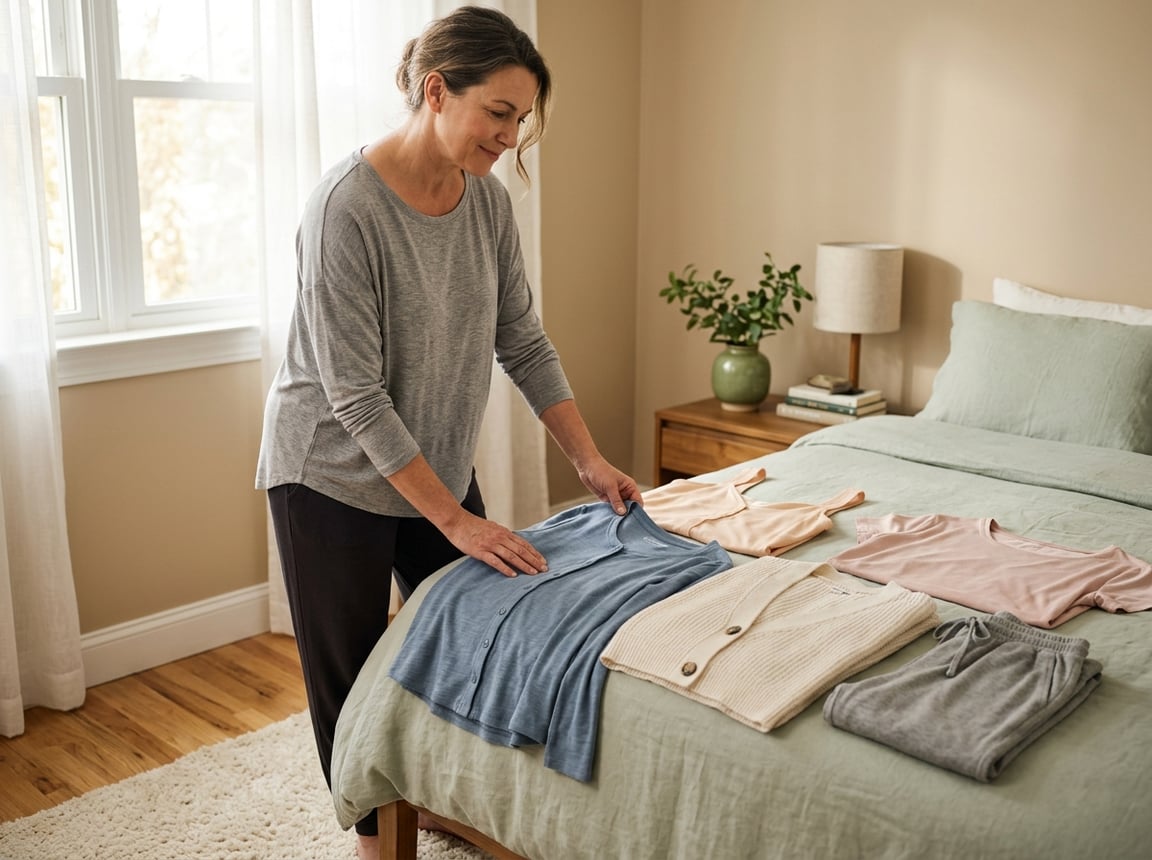
After a mastectomy, your clothes affect how easily you move, rest, and heal. Focus on simple designs, soft materials, and pieces that work with limited arm movement instead of against it.
Prioritizing Ease of Dressing
Right after breast surgery, you may not be able to lift your arms above shoulder height. Choose front-closure tops, bras, and pajamas so you do not have to pull anything over your head.
Button-down shirts, zip-up hoodies, and wrap-style robes make dressing faster and less painful. Many people prefer tops with internal drain pockets during the first weeks because they hold surgical drains securely and reduce tugging.
Look for these features:
- Front snaps, zippers, or Velcro
- Loose armholes
- Stretchy waistbands
- Minimal seams near the chest
Clothing after breast surgery should also allow medical access. You may need to check incisions or attend follow-up appointments, so avoid complicated layers. When in doubt, choose pieces you can put on and remove without raising your elbows high.
Comfortable clothing after breast surgery saves energy and reduces strain during daily tasks like toileting or showering.
Importance of Soft Fabrics for Sensitive Skin
Your chest area may feel tender, numb, or overly sensitive. Choose a soft fabric for healing skin, such as cotton, bamboo, or modal.
Avoid rough seams, stiff lace, or heavy embroidery near surgical sites. Even small details can rub against scars or irritate healing tissue.
Lightweight, breathable fabrics help prevent sweating, which can irritate incisions. Wire-free bras with wide, soft bands often feel better than structured bras. Some post-surgical bras also include light compression, which your surgeon may recommend to control swelling.
Wash new clothes before wearing them. Use mild detergent and skip strong fragrances. Your skin may react more easily during recovery.
If a fabric feels scratchy in the store, it will likely feel worse at home. Trust that first impression.
Navigating Clothing Options for Limited Arm Mobility
Limited arm mobility clothing makes daily movement easier while you regain strength. After a mastectomy, reaching, lifting, and twisting may feel tight or painful for several weeks.
Choose tops with:
- Wide sleeves
- Drop shoulders
- Stretch panels
- Front openings
These features reduce the need to extend your arms backward. Athletic-style zip jackets and loose cardigans work well because you can slide your arms in gently.
When thinking about what clothes to wear after mastectomy, also consider length and weight. Heavy sweaters can strain your shoulders. Tight pullovers can catch at the chest.
Stick with light layers that you can add or remove without lifting your arms high. As your mobility improves, you can slowly return to more fitted clothing, but during early recovery, simple and loose options support healing.
Wardrobe Essentials for the Early Recovery Phase
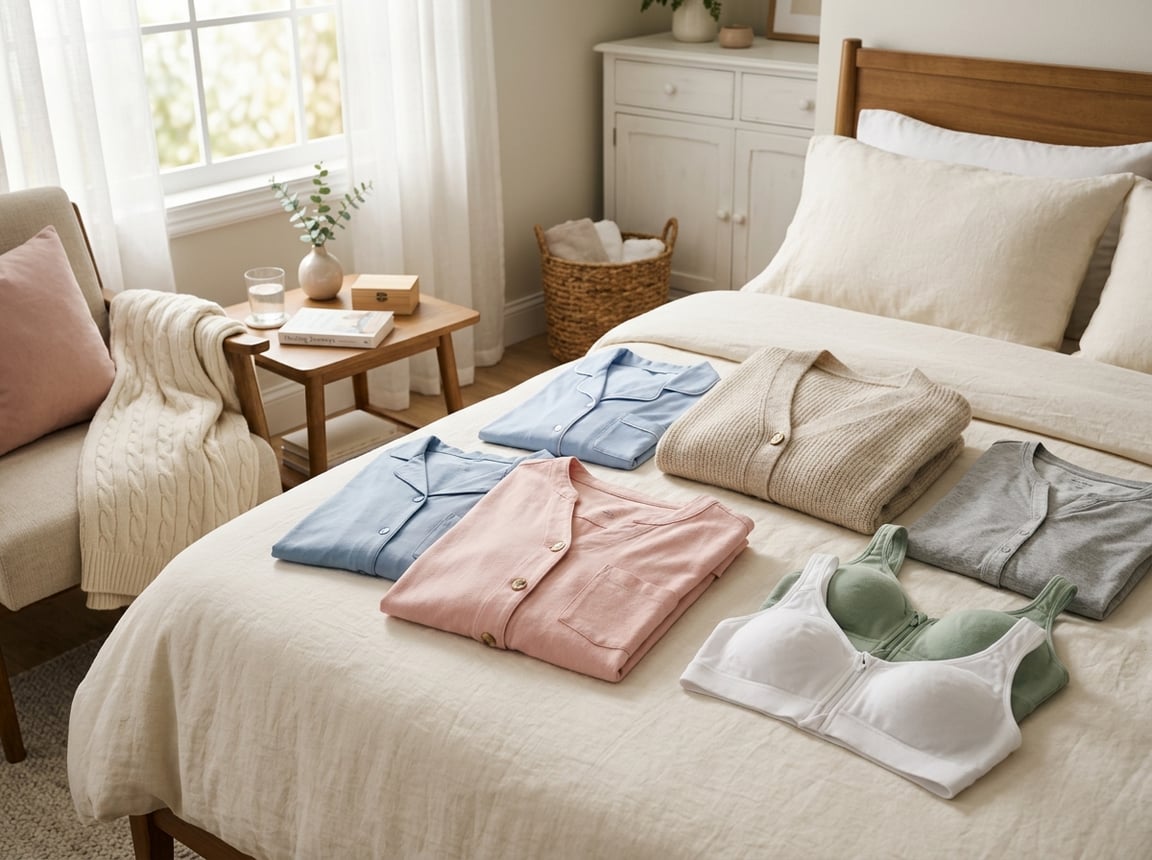
In the first days after surgery, your chest feels tender, swollen, and tight. The best clothes for mastectomy recovery reduce arm movement, avoid pressure on incisions, and make managing drains much easier.
The Benefits of Front Closure Shirts
Front closure shirts after mastectomy make dressing simpler when you cannot lift your arms overhead. Reaching up can strain chest muscles and pull at stitches.
Look for shirts with:
- Buttons or snaps down the front
- Soft, breathable fabrics like cotton or bamboo
- Loose cuts that do not cling to the chest
- Wide arm openings to prevent rubbing near the underarm area
Zip-up hoodies and lightweight cardigans also work well. You can put them on while keeping your elbows close to your sides.
Avoid tight pullovers, stiff seams, or heavy fabrics. They press on surgical areas and make swelling more uncomfortable.
Keep two or three front-closure options within reach of your bed or recovery chair. Changing clothes should feel manageable, not like a workout.
Drain-Friendly Clothing Must-Haves
If you go home with surgical drains, you need drain-friendly clothing that keeps bulbs secure and out of sight. Loose tops alone are not enough.
Choose garments with:
- Internal drain pockets
- Loops or tabs to clip drain bulbs
- Built-in support without underwire
- Soft elastic bands that do not dig in
Some post-surgery camisoles and recovery bras include hidden pockets that hold drains in place. This prevents pulling and lowers the risk of tugging at the insertion site.
Front-closure pajamas and drain-friendly tops make sleeping and resting more comfortable. You will not have to pin drains to your clothes or carry them in your hands.
Skip tight waistbands or crossbody bags during this stage. Anything that pulls across your chest can irritate healing tissue.
Button-Down Versus Easy-Dress Tops
Button-down shirts for surgery recovery give you structure and easy access for follow-up appointments. Medical staff can check incisions without fully undressing you.
They also layer well over soft bras or camisoles. Choose lightweight fabrics that feel smooth against sensitive skin.
Easy-dress tops for recovery, such as wrap tops or loose zip-front sweatshirts, offer more flexibility at home. They feel less rigid than traditional button-down shirts.
Here is a quick comparison:
| Feature | Button-Down Shirts | Easy-Dress Tops |
|---|---|---|
| Best for | Appointments, outings | Resting at home |
| Structure | More tailored | Relaxed fit |
| Fabric feel | Woven cotton or blends | Knit, stretch fabrics |
Keep both styles in rotation. You will want options that match your energy level and daily routine.
What To Wear Home and in the Hospital

Right after surgery, you need clothing that works with limited arm movement, surgical drains, and chest tenderness. Simple, front-opening pieces make your hospital stay and trip home much easier.
The Ideal Hospital-to-Home Wardrobe
Build a small, practical hospital-to-home wardrobe before surgery so you are not scrambling at the last minute. Focus on items you can put on without lifting your arms overhead.
Start with:
- Front-closure compression bras or surgical bras
- Drain-pocket camisoles or tops
- Button-down or zip-up shirts
- Soft elastic-waist pants or joggers
- Slip-on shoes
Front closures matter because raising your arms can strain incisions and feel uncomfortable. A drain-pocket camisole keeps surgical drains secure and prevents tubes from pulling or tangling under your clothes.
Choose breathable fabrics like cotton or bamboo. These feel softer against sensitive skin and reduce irritation around incision sites.
For the ride home, wear something loose and easy to adjust in the car. Avoid tight waistbands, stiff denim, or anything that presses directly against your chest.
Selecting Loose-Fitting Shirts Post-Surgery
Loose-fitting shirts post-surgery protect your chest and give you room to move carefully. You want tops that slide on without effort and do not rub against incisions.
Look for:
- Button-down shirts
- Zip-up hoodies
- Wrap-style tops
- Oversized soft tees (only if they do not require overhead movement early on)
Stick with lightweight, stretchy fabrics. Stiff seams, thick embroidery, or tight chest panels can irritate healing tissue.
If you have drains, choose shirts with inside pockets or wear a dedicated drain-holding garment underneath. This keeps bulbs supported and reduces pulling when you walk or sit.
Dark colors or subtle patterns can also help you feel more comfortable if you notice minor drainage spots. Most important, pick pieces that let you dress yourself with minimal strain and adjust easily throughout the day.
Style Tips and Everyday Clothing Picks
The right clothing after breast surgery helps you feel comfortable and put together without drawing attention to areas that are healing. Focus on fit, fabric, and small design details that support your body now and long term.
Adapting Personal Style During Recovery
Right after surgery, your priority is comfort and easy access. Choose soft, breathable fabrics like cotton or bamboo that won’t irritate incisions or sensitive skin.
Front-closure tops make dressing simpler. Button-down shirts, zip hoodies, and wrap-style tops let you avoid lifting your arms high, which can strain your chest and shoulders.
Look for:
- Front-closure bras or post-surgical bras with pockets for drains or soft forms
- Loose-fitting T-shirts or tanks with wide armholes
- Lightweight layers you can add or remove easily
Avoid tight elastic bands, stiff seams, and heavy fabrics. If you’re managing swelling or drains, darker colors and subtle prints can help disguise outlines under clothing.
Comfortable clothing after breast surgery does not have to look clinical. A soft cardigan over a relaxed tee and pull-on pants can feel normal while still protecting your chest area.
Long-Term Clothing Solutions After Breast Surgery
As you heal, you can shift from purely practical pieces to clothes that reflect your usual style. The key is balancing shape, support, and comfort.
If you wear a prosthesis, choose full-coverage bras with built-in pockets to keep it secure and balanced. Higher necklines, boat necks, and structured tops can create clean lines without revealing bra edges.
If you’ve gone flat or had reconstruction, experiment with:
- Tailored jackets to add structure
- Layered necklaces or scarves to draw the eye upward
- Patterns, ruching, or pleats across the chest for visual dimension
What to wear after breast surgery often depends on symmetry and support. A well-fitted bra and thoughtfully chosen neckline make everyday outfits like jeans and a blouse or a simple dress feel intentional rather than improvised.
Build a small rotation of reliable pieces that fit your current shape well. When your clothes fit properly and feel good against your skin, you move through daily life with less distraction and more ease.
Caring For Your Healing Skin and Wardrobe
Your skin feels more sensitive after surgery, and the wrong fabric can irritate fast. Choosing and caring for soft materials helps reduce friction, itching, and pressure on healing areas.
How to Maintain Soft Fabrics
Choose soft fabric for healing skin like cotton, bamboo, modal, or silk blends. These materials breathe well and create less friction around incisions and drain sites.
Wash new clothes before you wear them. This removes finishing chemicals that can irritate sensitive skin.
Avoid fabric softeners and dryer sheets. They leave residue that can trigger itching or rashes, especially near scars.
Air-dry when possible or use low heat. High heat breaks down fibers and makes fabric feel rough over time.
Store post-surgical clothing separately from heavy items like jeans or garments with zippers. Rough hardware can snag delicate fabrics and change their texture.
If a garment starts to pill, use a gentle fabric shaver instead of pulling at loose fibers. Keeping the surface smooth reduces rubbing against healing skin.
Laundry Tips for Post-Surgical Clothing
Wash bras, compression garments, and drain-friendly tops after each wear. Clean fabric lowers the risk of irritation and infection.
Use a mild, fragrance-free detergent designed for sensitive skin. Skip bleach unless your surgeon specifically recommends it for medical reasons.
Wash items in cold or warm water on a gentle cycle. Hot water can shrink fabrics and make them tighter around tender areas.
Consider placing delicate pieces in a mesh laundry bag. This protects straps, closures, and soft fibers from stretching.
If you notice stiffness after washing, rinse the garment again. Extra detergent buildup often causes fabric to feel scratchy against healing skin.
Frequently Asked Questions
After a mastectomy, your clothes need to protect incision sites, manage drains, and limit arm movement. Front closures, soft fabrics, light compression, and easy access make daily tasks simpler while you heal.
What should I wear right after surgery if I’ve got drains?
Wear tops with internal drain pockets or secure loops that hold the bulbs in place. This keeps them from pulling on your incision when you move.
Choose loose, front-closing shirts, zip hoodies, or button-down pajamas. Soft cotton or modal fabric reduces friction on tender skin.
Avoid anything you have to pull over your head. Lifting your arms too high can strain stitches during the first couple of weeks.
What tops are easiest to put on and take off during the first week of recovery?
Front-closure tops are the easiest option. Button-down shirts, snap-front tops, and zip-up sweatshirts let you dress without raising your arms.
Look for wide armholes and relaxed fits. Tight sleeves can rub against underarm incisions or lymph node biopsy sites.
Lightweight layers also help. You can adjust your temperature without fully changing clothes.
What kind of bra (or no bra) is okay after a mastectomy?
Right after surgery, your surgeon may recommend a surgical or compression bra. These bras close in the front and provide gentle, even support.
If you do not need compression, choose a soft, wire-free bra with a wide band. Seams should sit away from incision lines.
Some people skip bras entirely in the early days. Follow your surgeon’s instructions, especially if you have drains or reconstruction.
What’s comfortable to wear if I’m going flat and not doing reconstruction?
Soft, breathable tops with a relaxed shape feel best while swelling goes down. Cotton T-shirts, flowy blouses, and loose tanks work well.
If you want a smooth outline under clothes, try flat-friendly camisoles or pocketed tops designed to hold lightweight forms. If you prefer no forms, structured fabrics or layered outfits can create clean lines without extra bulk.
Focus on comfort first. You can adjust your wardrobe as your body settles.
What clothing works best after reconstruction while everything’s still healing?
After reconstruction, you may need more structured support. Surgeons often suggest compression bras or supportive sports bras without underwire.
Stick to front closures until your range of motion improves. Tight elastic, lace, and heavy seams can irritate healing skin.
Soft fabrics and stable support help reduce swelling and protect implants or expanders while tissues recover.
Where can I find mastectomy-friendly clothes online, like drain-pocket shirts?
Many specialty retailers focus on post-mastectomy clothing and adaptive wear. Search for terms like “drain pocket shirt” or “post-surgical front closure top.”
Some mainstream brands now offer adaptive lines with magnetic closures and hidden pockets. You can also find small businesses online that design recovery-specific loungewear.
Check product details for internal pockets, soft seams, and easy closures before you buy.
Conclusion
Choosing clothes after a mastectomy is about comfort, confidence and ease, not compromise. Soft, breathable fabrics, front closures and adaptive designs let you dress with less effort and more freedom, whether you are still healing or settling into a new routine.
There is no single right way to dress after surgery. Give yourself time to try different styles, from pocketed bras to wrap tops, until you find what feels most like you. The right wardrobe should support your recovery, not add stress to it.
0 comments