

After a mastectomy, finding the right bra isn't just about comfort; it's about support, security, and feeling like yourself again.
You want something that holds a breast form in place without shifting, protects healing skin, and honestly, just lets you move through your day with a bit more confidence.
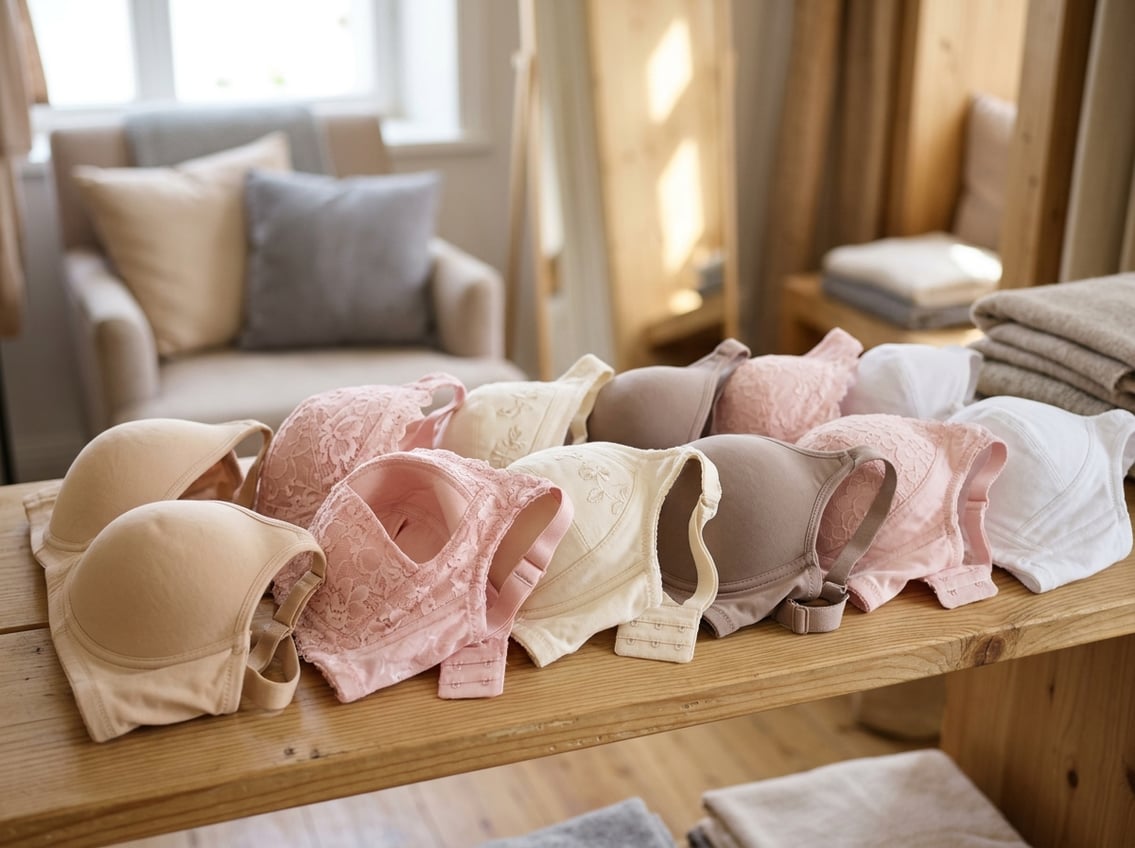
Pocketed mastectomy bras have built-in fabric pouches designed to hold breast prostheses securely against your chest, preventing slipping and visible lines while providing the shape and balance you want.
Unlike regular bras, these are made with softer fabrics, gentler seams, and features that work with your body's changes after surgery.
This guide will walk you through what makes a bra truly "pocketed," the different types available, how to pick one that fits your recovery stage, and practical tips to keep your bras comfortable and looking good.
Whether you're shopping for the first time or just replacing an old favorite, you'll know exactly what to look for by the end.
What Makes a Bra 'Pocketed' After Mastectomy?
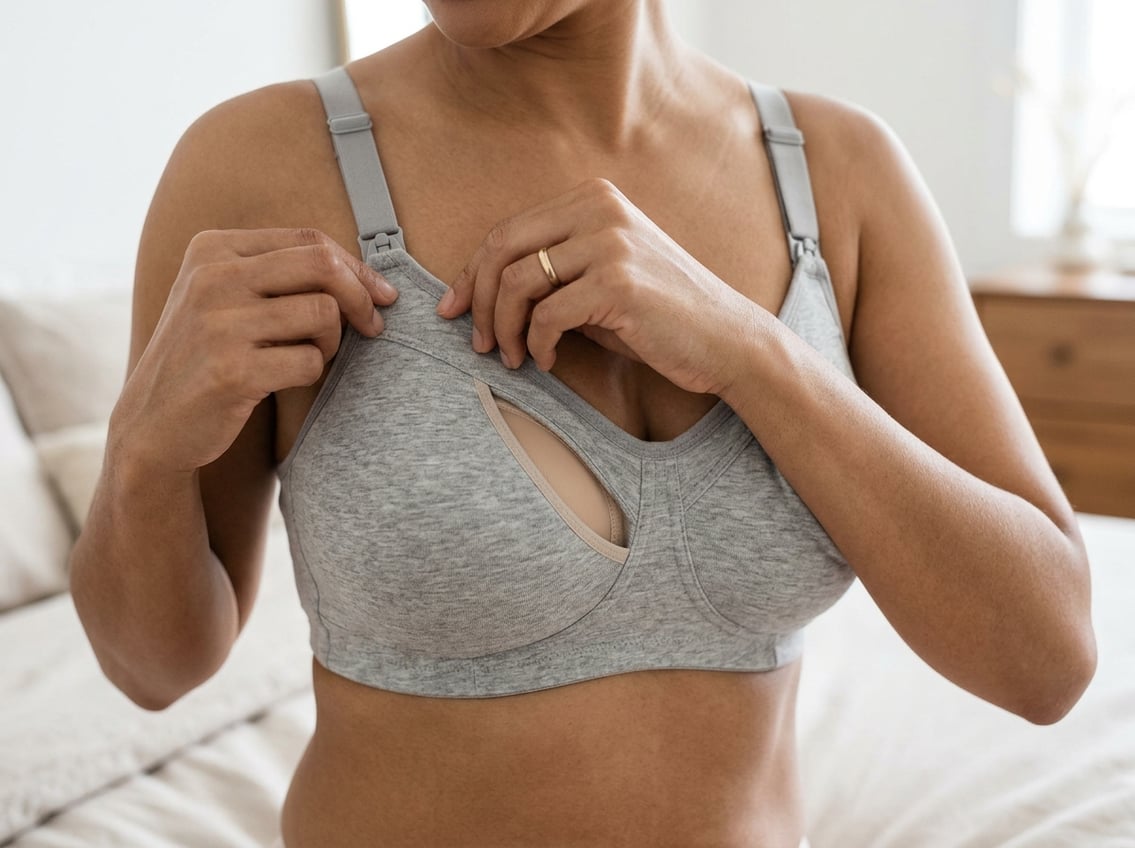
A pocketed mastectomy bra includes built-in fabric compartments designed to hold breast forms securely in place.
The depth, material, and placement of these pockets determine how well your prosthesis stays comfortable throughout the day.
Defining the Pocket Feature
The pocket in a mastectomy bra is a fabric pouch sewn directly into the bra cup.
This compartment holds your breast form or prosthesis so it doesn't shift around when you move.
Unlike regular bras, these pockets are specially designed with an opening at the top or side of the cup.
You slide your breast form into this opening, and the pocket keeps it positioned correctly against your chest wall.
The pocket depth matters because different breast forms have different thicknesses.
A shallow pocket works for lightweight foam forms, while full external silicone prostheses need deeper pockets with more room.
Most pocketed bras have a double-layer construction.
The inner layer creates the pocket, while the outer layer looks like a normal bra cup, so you don't have to worry about your prosthesis being visible or sliding out.
How Pockets Support Different Breast Forms
Your breast form type changes what kind of pocket you need.
Lightweight foam forms work in basic cotton pockets because they don't need much support.
Silicone breast forms are heavier and require stronger pockets with reinforced stitching.
These pockets usually have a firmer base to prevent the weight from pulling down or sagging throughout the day.
Partial prostheses and shapers need pockets with flexible edges.
These allow the form to blend naturally with your remaining breast tissue without creating visible lines under clothing.
Some bras with pockets for breast forms include adjustable inserts.
You can add or remove padding to customize your shape and achieve better symmetry between both sides.
The pocket opening placement affects how easy it is to insert and remove your form.
Top openings let you reach in from above, while side openings often work better if you have limited arm mobility after surgery.
Materials and Comfort Factors
Pocketed mastectomy bras use soft, breathable fabrics that won't irritate healing skin.
Cotton and moisture-wicking blends are common because they reduce sweating and help prevent rashes around surgical sites.
The pocket lining should be smooth and seamless.
Rough stitching or thick seams can rub against sensitive scar tissue and cause discomfort; nobody wants that.
Many designs include antimicrobial fabrics in the pocket area.
This helps prevent bacterial growth between your skin and the breast form, which is especially important while you're healing.
Wide, cushioned straps distribute the weight of heavier silicone forms across your shoulders.
This prevents the digging and pain that regular bra straps cause when supporting prostheses.
Look for pockets with mesh panels or perforations.
These features improve airflow around your breast form and keep you cooler, which matters since prostheses can trap heat against your chest.
Types of Pocketed Mastectomy Bras
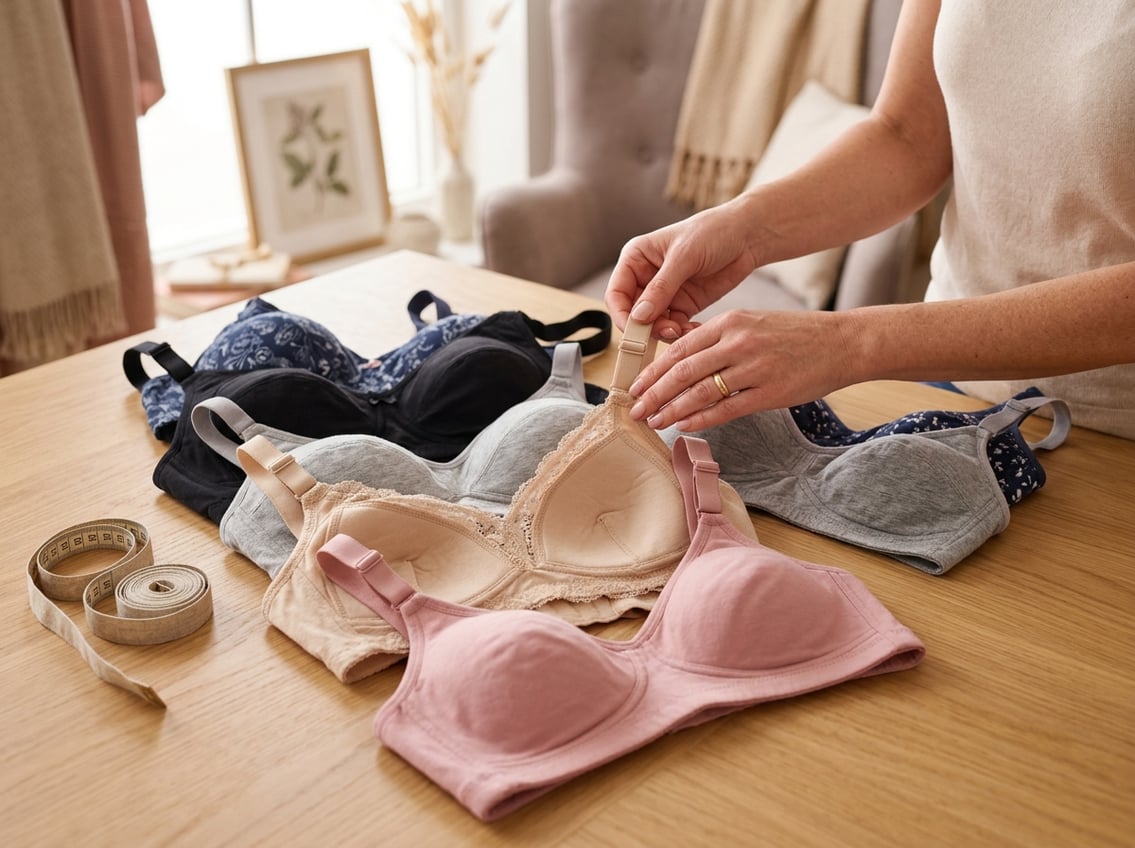
Pocketed mastectomy bras come in different styles to match your needs during recovery and daily life.
The right type really depends on where you are in your healing process and what feels most comfortable for your body right now.
Wire-Free Options for Recovery
A wire-free pocketed bra after mastectomy is usually your best choice right after surgery.
These bras skip the underwire completely, which means no metal or plastic digging into sensitive areas while you heal.
Your chest needs time to recover, and wires can press against surgical sites or cause pain.
Wire-free styles use soft elastic bands and wider straps to provide support instead.
Many people keep wearing these bras even after they've healed because they're so comfortable.
These bras work well during the first few weeks and months post-surgery.
They give you the pocket you need for a breast form without adding pressure to tender areas.
Lightweight Choices for Everyday Comfort
A lightweight breast form pocket bra uses thin, breathable fabrics that don't add extra weight or bulk.
These bras typically feature moisture-wicking materials that keep you cool throughout the day.
The pockets in lightweight bras are designed to be barely noticeable under clothing.
You get a smooth silhouette without the heavy feeling that some mastectomy bras can have.
The lighter construction makes them perfect for warm weather or active days when you're moving around a lot.
These bras usually have stretchy fabric that moves with you.
They're easy to put on and take off, which matters when you're getting dressed in the morning or after exercise.
Cotton Lined and Soft Materials
A soft breast prosthetic bra, cotton-lined on the inside, protects sensitive skin from irritation.
Cotton is a natural fabric that breathes well and doesn't trap moisture against your body.
The cotton lining sits between your skin and the prosthetic pocket.
This creates a gentle barrier that reduces rubbing and helps prevent rashes.
If you have scars or areas that are still healing, the soft cotton helps prevent discomfort.
Many cotton-lined bras also use seamless construction.
This means fewer rough edges touching your skin.
The combination of cotton and seamless design gives you maximum comfort during long wear.
Removable Padding and Customization
A removable padding mastectomy bra lets you adjust your look and comfort level.
The pockets can hold breast forms, but they also work with foam inserts or partial shapers, depending on what you need.
You can take the padding in and out based on your outfit or activity.
Some days you might want more volume, while other days you prefer a flatter profile.
This flexibility means you can customize your appearance without buying multiple bras.
The removable feature also makes washing easier.
You can take out the forms or padding before putting the bra in the laundry.
This protects both the bra and your breast forms from damage.
How to Choose the Right Pocketed Bra
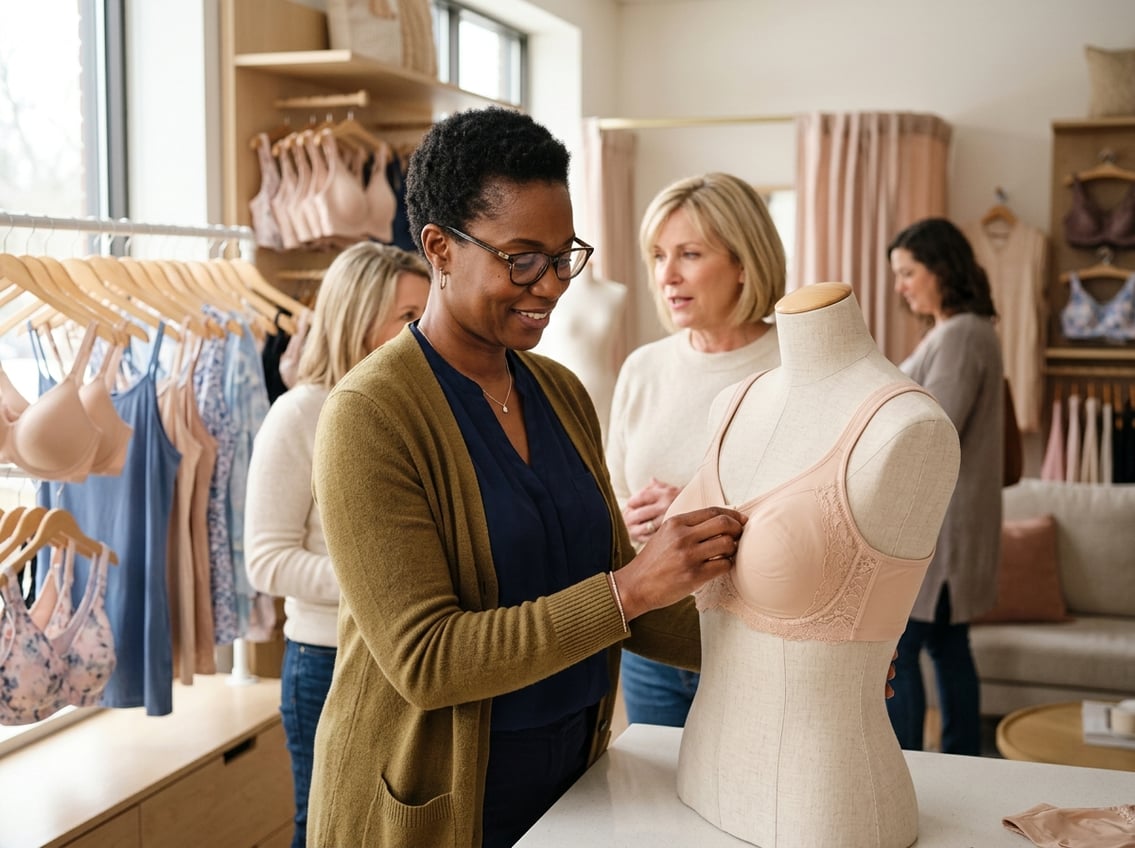
The right pocketed bra needs to fit your body, hold your breast forms securely, and work with the type of prosthesis you use.
Focus on getting the correct size, choosing between bilateral or single pockets, checking pocket depth, and making sure it works with your specific breast form.
Sizing and Proper Fit
Getting the right size is different than buying a regular bra.
You need to measure your band size and cup size after surgery, once your doctor says you're healed enough to wear a bra.
For your band size, measure around your ribcage directly under your bust.
Round up to the nearest even number. If you measure 33 inches, you need a 34 band.
For your cup size, measure around the fullest part of your chest with your breast form in place.
Subtract your band measurement from this number.
Each inch of difference equals one cup size (1 inch = A, 2 inches = B, and so on).
Many women find their size changes after surgery.
Your weight might shift, and scarring can affect how bras sit on your body.
Buy at least two bras in your new size so you can rotate them while washing.
Front-closure styles are easier to put on during recovery.
Bilateral vs. Single Pocket Designs
Bilateral breast form bra pockets work for women who have had both breasts removed.
These bras have pockets on both sides to hold two breast forms.
Single-pocket designs are for women who have had one breast removed and need a pocket on just one side.
If you only need one pocket, make sure you're buying a single-pocket bra for the correct side (left or right).
Some companies make bras with pockets on both sides, even if you only need one, which gives you flexibility if your needs change.
Bilateral pockets should be the same depth and size to keep both forms secure.
Check that the pockets are built into the bra structure and not just sewn on as an afterthought.
They need to stay in place during movement.
Depth and Security for Breast Forms
Breast form bra pocket depth determines how well your prosthesis stays put.
Shallow pockets let forms shift around or fall out. Nobody wants that.
Deep, secure pockets keep everything in place all day.
The pocket should fully cover your breast form without any part sticking out at the top or bottom.
Look for pockets with a stretchy fabric that holds the form close to your chest wall.
This prevents gaping and gives you a more natural shape under clothing.
The pocket opening matters too.
Top or inner openings are easier to use than side openings.
You should be able to slide your form in and out without struggling.
Some bras have security features like a fold-over flap or snap closure at the pocket opening for extra hold.
Matching with Silicone and Other Prostheses
Different breast forms need different pocket features.
Silicone prosthesis bra compatibility depends on the weight and shape of your form.
Heavier silicone forms need wider straps and stronger pocket construction.
The bra fabric should be thick enough to support the weight without stretching out.
Lightweight foam forms don't need as much support, but still need secure pockets to prevent shifting.
Full or partial breast forms require different pocket depths.
Partial forms (like shapers or enhancers) work in shallower pockets.
Full prostheses need deeper pockets that go all the way to the bottom of the cup.
Check if your bra works with stick-on forms versus weighted forms.
Some pockets are designed specifically for forms with or without adhesive backing.
The wrong combination can cause discomfort or make your forms move around.
Post Surgery Needs and Recovery Clothing
Your clothing choices right after surgery focus on protecting healing tissue and managing drains.
Later stages allow more variety and normalcy in your wardrobe, but those first weeks are all about gentle support.
Bras for Immediate Post Surgery Use
The first 4-6 weeks after your mastectomy require special attention to what touches your chest.
You need a front-closure bra with soft compression and no underwire during this early phase.
These post-mastectomy recovery bras protect surgical sites while providing gentle support.
Look for these features in your immediate recovery bra:
- Soft, seamless fabric that won't irritate incisions
- Front-hook closure so you don't have to reach behind your back
- Wide, padded straps that distribute weight evenly
- Internal drain pocket,s if you have surgical drains
Your recovery bra should feel snug but not tight.
It needs to hold everything in place without putting pressure on healing areas.
Most people wear these compression-style bras day and night during the first weeks.
Skip anything with underwire, lace, or rough seams.
Your skin is sensitive right now and needs gentle materials.
Why Post-Mastectomy Bras and Prostheses Matter
This might sound obvious, but the right bra does so much more than just hold things in place;e it can be a huge boost to your self-image and emotional recovery after surgery.
Did you know that an estimated 90% of women who undergo mastectomy use a breast prosthesis, either permanently or while waiting for reconstruction? And there's real science behind this: research published on PubMed Central links prosthesis use to improved body image.
Accessibility and Affordability
Unfortunately, access to proper mastectomy bras isn't universal.
For example, a systematic review of post-mastectomy brassiere practices by PubMed Central found that the majority of post-mastectomy women in India (77.8%) relied on homemade choices or improvised solutions, highlighting a real need for more accessible and affordable options.
Transitioning to Everyday Wear
Once your surgeon gives the green light for regular activities, you can finally switch to pocketed bras for daily use. This usually happens somewhere around 6-8 weeks post-surgery.
Pocketed bras after breast surgery have built-in compartments that hold breast forms securely. They're designed with your new normal in mind, and honestly, it's a relief to have something that just works.
Your everyday pocketed bras aren't quite like the recovery bras you wore right after surgery. They offer less compression, and you actually get to pick from a bunch of style options.
Some women prefer underwire for extra shape, while others stick with soft-cup designs for comfort. It all comes down to what feels right for your body now.
The pockets in these bras keep your breast forms from shifting around as you move. They're sewn right into the cups and built to handle the weight of prosthetics without sagging.
If you tend to sweat or live somewhere hot, look for moisture-wicking fabrics. It makes a surprising difference on muggy days.
Integrating Bras with Other Post-Mastectomy Clothing
Post-mastectomy clothing isn't just about the bra; it's the whole system working together. Your bra choice can totally change how your tops and dresses fit.
Camisoles with built-in pockets are a nice layering option under loose shirts. They're soft, easy, and don't scream "post-surgery" to anyone but you.
Button-front shirts are a lifesaver in early recovery. They pair well with front-closure bras and mean you don't have to wrestle your arms overhead.
Loose-fitting tops help hide bandages and swelling without looking like you're wearing a tent. There's a sweet spot between comfort and style if you hunt around.
If you're itching to get back to exercise, athletic wear needs some thought. Sports bras with pockets and racerback designs keep breast forms in place when you're moving.
Go for adjustable straps, you'll appreciate being able to tweak the fit as your body keeps changing. Some clothing even includes drain pockets at the waistband, which is handy if you're still managing surgical drains and trying to get on with things.
Tips for Comfort, Style, and Maintenance
Taking care of your pocketed mastectomy bras makes them last longer and keeps them comfy. Finding bras that match your style and figuring out little comfort tweaks can make daily wear a lot easier.
Caring for Your Bras
For the best care of your surgical or post-surgery bras, hand washing your mastectomy bras in cool water with mild detergent is the safest bet. It keeps the pockets secure and the fabric soft.
Machine washing can beat up the delicate pockets and stretch out the bands faster than you'd like. But if you must, toss them in a mesh lingerie bag and use the gentle cycle.
Always air-dry your bras instead of using a dryer. Heat just destroys elastic and can warp the pocket structure.
Store your bras flat or hanging, don't fold them in half. This keeps creases out of the pockets, so your breast forms sit right where you want them.
Keep them away from rough surfaces that could snag the cotton lining. Clean your bras every 2-3 wears to get rid of oil and sweat buildup, especially since skin can be extra sensitive after surgery.
Style and Fashion Considerations
Pocketed mastectomy bras now come in way more styles than just beige and white. There are lace trims, fun prints, and colors that actually match your wardrobe.
Popular style options include:
- T-shirt bras with smooth cups for fitted clothes
- Sports bras with secure pockets for active days
- Lace or satin designs for special occasions
- Front-closure styles that are easier to put on
If you want something less clinical, look for bras with decorative details on the straps or bands. Some brands make pocketed bras that are indistinguishable from regular bras at a glance.
A soft breast prosthetic bra with cotton-lined pockets works under most clothing. The cotton lining helps prevent irritation and keeps your prosthetic in place all day.
Improving Day-to-Day Comfort
Wide, padded straps are a game changer. They distribute weight better and stop that annoying shoulder digging. Adjust your straps so the band sits level across your back and doesn't ride up.
The band should be snug but not tight; you should be able to slip two fingers under it comfortably. If you're between sizes, go with the bigger one. During early recovery, swelling can throw off your usual fit.
Check your breast form placement each morning. It should be centered in the pocket with the nipple at the same height as your natural breast.
Smooth out any wrinkles in the pocket fabric to avoid rubbing. Some women add a thin cotton pad between their skin and the bra during recovery for extra softness.
Silicone or gel breast forms feel cooler than foam, which is something to consider if you live somewhere warm or get hot easily.
Why do these details matter? According to a peer-reviewed study published on PubMed Central, an estimated 90% of women who undergo mastectomy use a breast prosthesis either permanently or while waiting for reconstruction, and using a prosthesis is actually linked to improved body image. That's a big deal for emotional recovery, not just the physical side.
Frequently Asked Questions
The right pocket design, strap structure, and sizing approach can make or break your comfort and confidence in a pocketed mastectomy bra. Here's what actually works when you're choosing one.
How do I know if a pocketed mastectomy bra will hold my breast form securely?
Look for pockets that sit close to your chest wall with a snug opening at the top. The pocket should wrap around the bottom and sides of your breast form without leaving extra space.
A secure pocket keeps your prosthesis from bouncing when you move. The fabric should hold firm but not squeeze so tight that it warps the shape of your form.
You can test this by bending forward and moving side to side while wearing the bra. Your breast form shouldn't shift or slide out of position.
What pocket features should I check for to keep a prosthesis from shifting or slipping?
A narrow pocket opening is your first line of defense against slipping. The opening should be just wide enough to slide your form in, but not so big that you're fighting with it.
Double-layered pockets distribute weight more evenly than single layers. The inner layer should be smooth so it doesn't create friction against your skin or scar tissue.
Some pockets have a mesh backing that lets air through while still holding your prosthesis in place. This helps reduce sweating and keeps you more comfortable throughout the day.
Check that the pocket extends low enough to support the full weight of your breast form. Shallow pockets can let heavier prosthetics sag toward the bottom of the bra cup.
What makes a pocketed mastectomy bra comfortable enough to wear all day?
Soft, breathable fabric like cotton or moisture-wicking blends are your friends; they prevent irritation on sensitive skin. Wire-free designs eliminate pressure points that can dig into healing tissue or scar lines.
Wide, padded straps spread the weight of your breast form across your shoulders instead of cutting in. This is even more important as prosthetic weight goes up.
Front or back closures make it easier to put on and take off your bra without raising your arms over your head. That's especially helpful early on, when your range of motion is limited.
Flat seams are a must;t bulky seams can create friction and discomfort after a few hours of wear.
How do I choose the right size and fit in a pocketed mastectomy bra after surgery?
Wait six to eight weeks after surgery before getting fitted for a bra with a permanent prosthesis. Your chest needs time to heal d swelling has to go down before you can get accurate measurements.
Measure your band size by wrapping a soft tape measure around your ribcage just under your bust. Round up to the nearest even number. If you measure 33 inches, you'd wear a 34 band.
For cup size, measure around the fullest part of your remaining breast or prosthesis while wearing a non-padded bra. Subtract your band measurement from this number; each inch of difference equals one cup size.
Your bra should sit flat against your sternum in the center and stay level across your back. The band should be snug enough that it doesn't ride up, but loose enough to fit two fingers underneath.
Getting the right fit is tricky, and not every shop has a wide range of mastectomy bras in stock.
Are strapless pocketed mastectomy bras actually supportive, and who are they best for?
Strapless pocketed bras can work if you wear a lightweight prosthesis and have a smaller cup size. They mostly rely on a tight band and grip-lined edges to stay put.
Honestly, these bras are best for special occasions, not all-day wear. The constant tension needed to keep them up can get uncomfortable after a few hours.
If you have a larger or heavier breast form, a strapless style probably won't cut it. The weight will pull the bra down over time, no matter how well it fits.
Look for silicone grip strips along the top edge and a wide band that sits firmly against your ribcage. Boning on the sides adds some structure and helps prevent slipping.
Can pocketed mastectomy bras work for men, and what fit details matter most?
Yeah, men who've had a mastectomy can absolutely wear pocketed bras, just not the lacy, frilly kind you might picture. There are options with a flatter profile and a wider band that honestly look more like compression vests from the outside.
The trick is to pick something without all the feminine details, like lace or extra padding. Stick with neutral colors and simple, no-nonsense construction that lies flat under your clothes.
For most guys, band fit ends up being way more important than cup size. You're really just after a smooth contour, not anything that adds projection.
The pockets still need to hold your prosthesis securely, but you don't want any extra bulk.
Some men actually prefer compression-style pocketed garments that look more like undershirts or athletic wear. These do the job of holding a breast form but give off a much more masculine vibe under your clothes.
It's funny, though, access to the right mastectomy bras still isn't universal.
The Right Bra Is Part of Your Recovery
Finding a pocketed mastectomy bra that actually works for your body is not a small thing. It affects how you move through your day, how your clothes fit, how comfortable your skin feels, and in quiet but real ways, how you feel about yourself during a period that asks a lot of you.
The options available today are far better than they used to be. Soft fabrics, thoughtful pocket designs, front closures, lightweight construction, and styles that look nothing like medical garments mean you do not have to choose between function and feeling like yourself.
But no single bra works for everyone. Your body after surgery is unique, and what you need in the first few weeks will likely be different from what feels right several months later. Give yourself permission to try different styles, adjust your sizing as your body changes, and prioritize comfort over anything else while you are still healing.
If something does not feel right, it probably is not. A bra that digs in, a pocket that lets your form shift, or straps that cut into your shoulders are all problems worth solving, not inconveniences to push through.
Start with the basics: soft fabric, wire-free construction, secure pockets, and a proper fit measured after your surgeon clears you. From there, you can explore styles that fit your life, your wardrobe, and your preferences.
You have already done the hard part. Your bra should make the rest of the day easier.
0 comments