

A double mastectomy changes your body, and your bra needs, too. You can’t just grab any old bra off the rack and expect it to work.
Comfort, support, and the right design really make a difference as you heal and figure out your new normal.
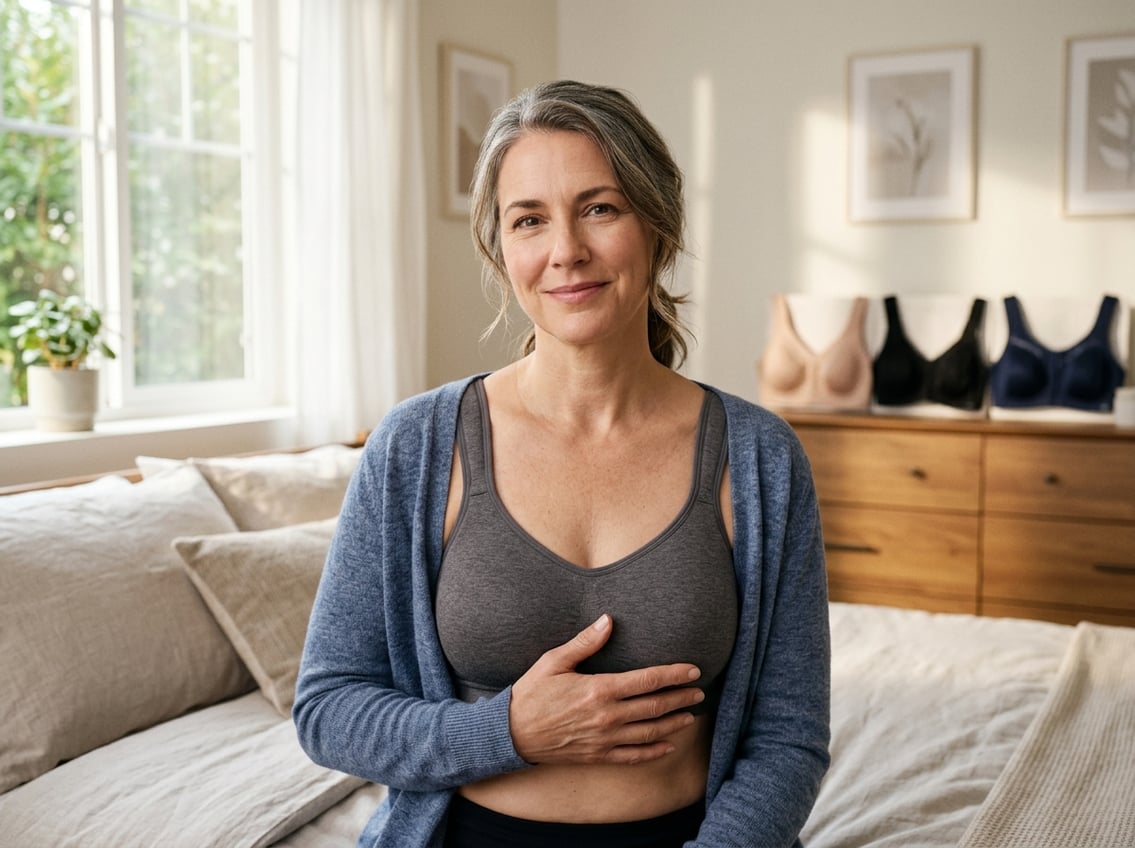
The best double mastectomy bras use soft fabric, skip the underwire, have wide straps, secure bands, and often have pockets inside to support your chest, protect sensitive skin, and hold breast forms if you want them.
These features help reduce pressure, limit irritation, and give you steady support both during recovery and long after.
You might want different bras for different stages, maybe a front-closure recovery bra at first, then pocketed styles for everyday wear.
Some folks go for flat closure options, or compare mastectomy bras to regular bras to figure out what really works. Once you know what to look for, you can pick styles that feel right, look smooth under clothes, and actually fit your life.
Essential Features for Post-Mastectomy Comfort
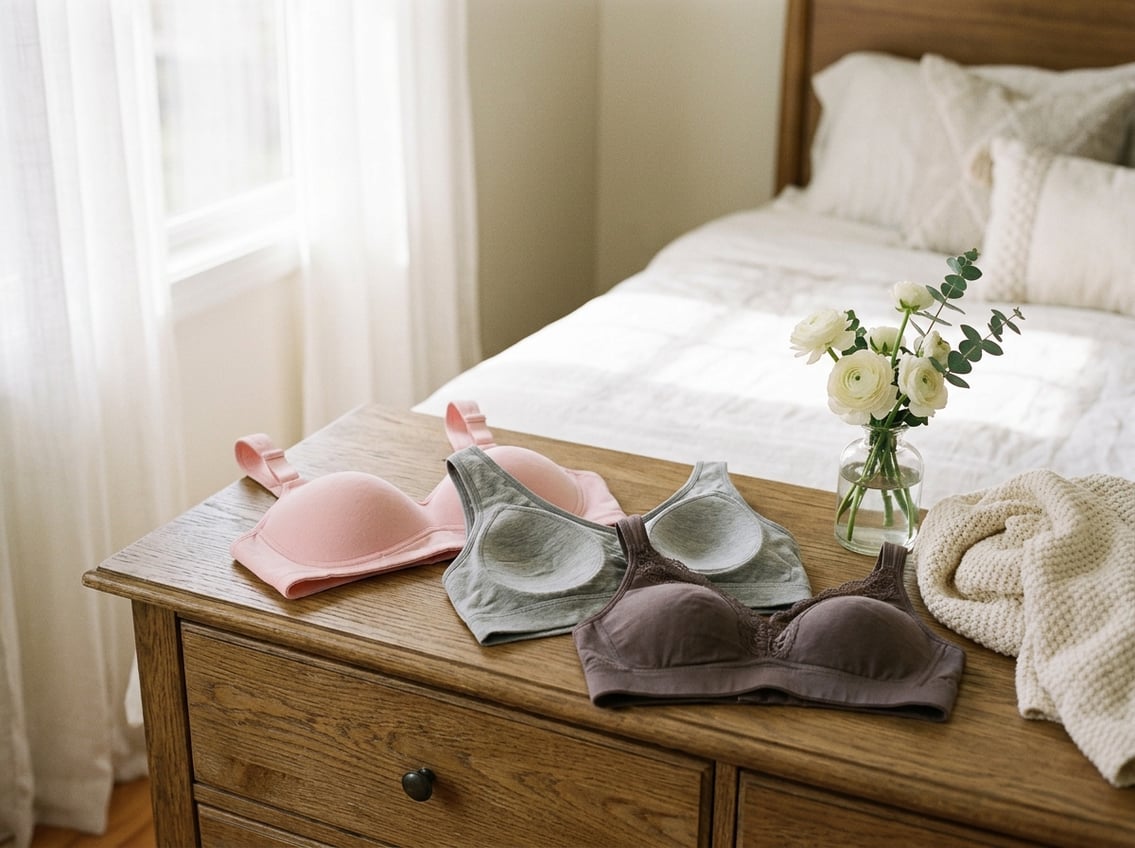
The right bra can make daily movement easier and reduce skin irritation after surgery. Small design details, like closures, fabric, and pockets, directly affect how your chest feels hour by hour.
Front Closure and Wire-Free Options
After a double mastectomy, lifting your arms might feel tight or even painful. A front closure bra for the double mastectomy lets you fasten your bra without reaching behind your back.
Look for:
- Hook-and-eye closures in the front
- Zippers with a soft backing to protect your skin
- Wide straps that won’t dig into your shoulders
Front closures help a lot during early recovery, when your range of motion is limited. You can put the bra on while sitting upright and avoid twisting around.
Definitely go for wireless bras for bilateral mastectomy. Underwire can press on incision sites and cause all sorts of discomfort. Soft bras after bilateral mastectomy should offer gentle compression and steady support, no stiff parts needed.
A wide underband gives shape and support without those annoying pressure points.
Soft Fabrics for Sensitive Skin
Your skin might feel tender, numb, or even weirdly sensitive after surgery. A cotton bra for sensitive skin post mastectomy can help cut down on rubbing and heat.
Natural fabrics like cotton or bamboo feel soft and let your skin breathe. Some bras blend cotton with stretch fabric so the bra moves with you. Steer clear of rough lace, thick seams, or stiff elastic near scars.
Check the inside of the bra. It should have:
- Flat or covered seams
- No scratchy tags
- Smooth lining over the cup area
Soft bras after a bilateral mastectomy should feel gentle across your chest and under your arms. If you had lymph node removal, your underarm area might feel sore. Higher side panels and soft edges can help avoid friction.
Pocketed Bras and Support Needs
Many pocketed bras for the double mastectomy have built-in pockets to hold breast forms. These pockets keep prostheses in place and help your chest look balanced under clothing.
If you plan to wear breast forms, make sure the pockets:
- Sit flat against your chest wall
- Hold the form securely without shifting
- Allow easy removal for washing
Even if you don’t use breast forms, pocketed bras can add structure and coverage. The features of mastectomy bras often include wider bands, higher necklines, and full coverage cups. These details support healing tissue and reduce strain on your shoulders.
Support should feel steady, not tight. When you try on a bra, take a few deep breaths and move your arms around. The bra should stay put and feel secure, not like it’s squeezing or pulling.
Best Choices for Surgery Recovery and Beyond
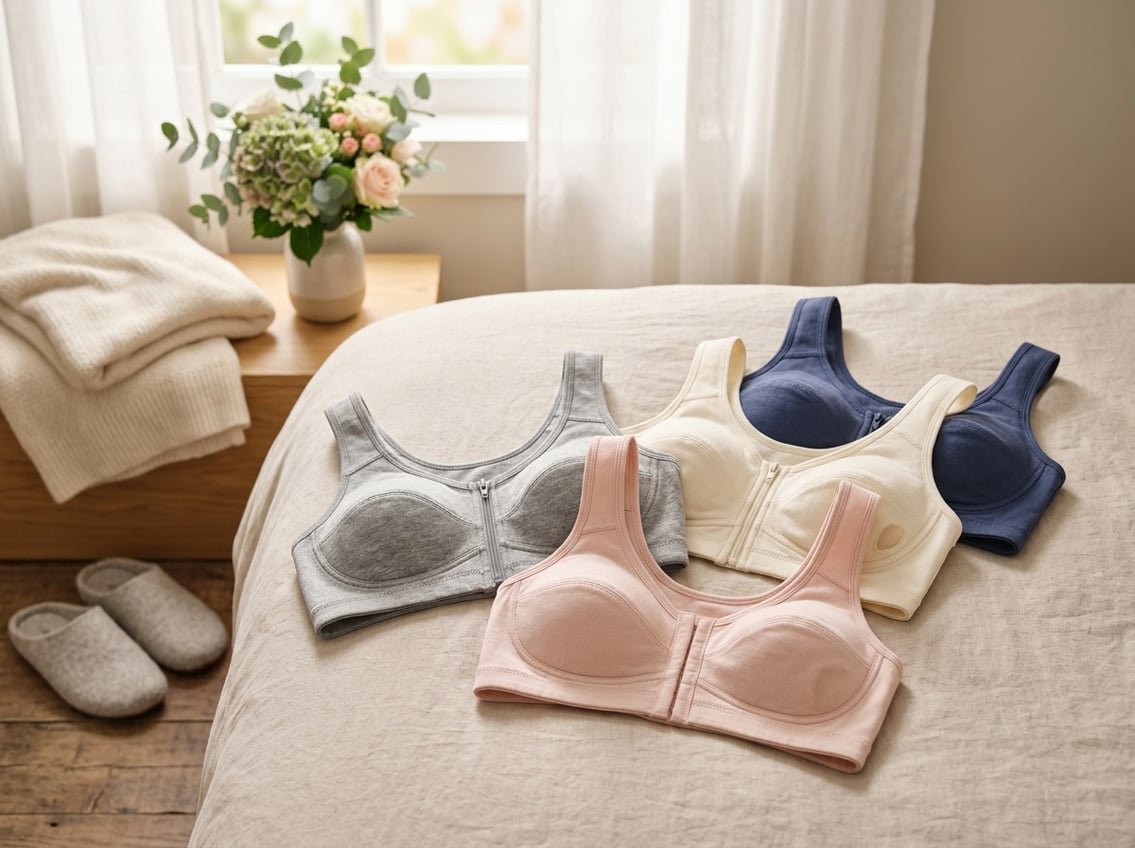
The right bra supports healing, reduces pain, and protects sensitive skin after a double mastectomy. Your needs will shift from the first weeks after surgery to reconstruction and long-term wear, so pick styles that match each stage.
Double Mastectomy Recovery Bras
Right after surgery, you’ll want a double mastectomy recovery bra that keeps pressure even and gentle. Light compression can help limit swelling and may lower the risk of fluid buildup.
Look for:
- Front closure with hooks or a zipper
- Wide, adjustable straps to reduce shoulder strain
- Soft, seamless fabric that won’t rub incisions
- No underwire
Many recovery bras also include pockets for temporary prostheses. Some even hold surgical drains in place, which makes daily movement less of a hassle in those first couple of weeks.
Choose a snug fit, but not too tight. You should be able to breathe and move your arms without sharp pulling. If the band leaves deep marks or causes numbness, try another size.
Your surgeon might suggest wearing this bra day and night for several weeks. Having two or three makes laundry way easier.
Bras for Breast Reconstruction and Expander Stages
If you move into reconstruction, your bra needs will shift again. Bras for breast reconstruction recovery have to adapt as your shape changes.
During the expander phase, swelling and tightness are pretty common. BBracers for the expander stage reconstruction should stretch without pressing too hard on your chest. Look for:
- Wire-free cups
- Flexible fabric with light compression
- Higher side panels for support
- Easy front access for clinic visits
Avoid molded cups early on. Your size can change a lot as expanders fill, and stiff cups just won’t fit right.
After implants settle or flap surgery heals, you can try more structured bras. Many people still stick with wireless styles for comfort. If you use breast forms at any stage, pick bras with secure pockets to keep them in place.
Budget-FriendlySolutions
You don’t have to spend a fortune to get safe support. Lots of brands now offer budget-friendly mastectomy bras with the important features you need.
Focus on function first:
- Soft fabric
- Front closure
- No underwire
- Room for swelling or forms
Some health insurance plans cover mastectomy bras under federal law if they’re related to cancer surgery. Check your policy and ask your surgeon for a prescription if you need it.
You can also use certain sports bras as a low-cost option. Pick one with a front zipper, light compression, and no hard seams. Comfort and fit matter more than any brand name.
Flat Closure, Aesthetic Choices, and Going Flat
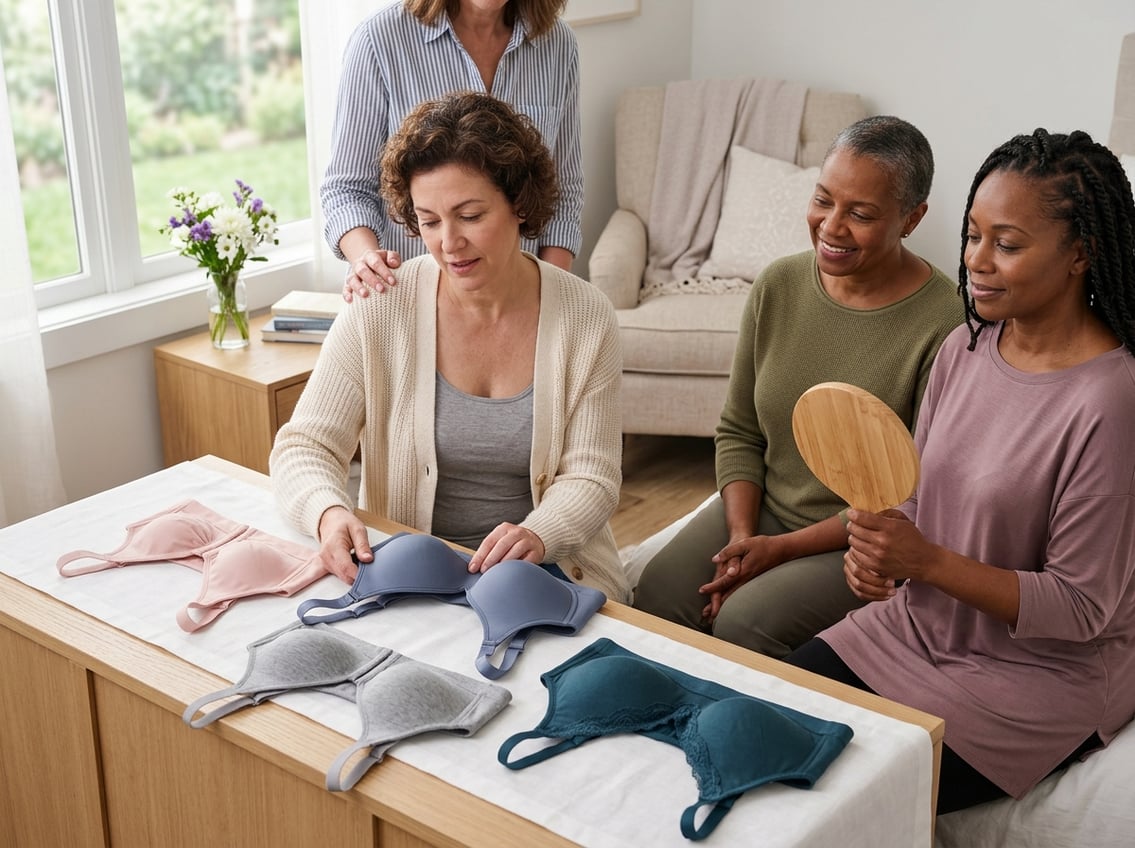
Some people choose not to have breast reconstruction after a double mastectomy. If you go flat, your surgical result and comfort needs will guide the type of bra you wear (if you want one at all).
Aesthetic Flat Closure Options
Going flat means you skip rebuilding the breast with implants or tissue. Instead, your surgeon can do an aesthetic flat closure (AFC).
During this procedure, the surgeon removes extra skin and tissue and shapes the chest wall to create a smooth, flat contour. They can do this at the time of your mastectomy or months later as a revision.
You can talk with your surgeon about:
- Removing dog ears (extra skin at the ends of scars)
- Smoothing bulges or uneven areas
- Scar placement and symmetry
- How tight or loose you want the chest skin
Clear communication matters. Bring photos, ask direct questions, and explain that you want a flat result, no leftover folds, please.
Your final shape affects how bras fit. A smooth contour often makes it easier to wear light bralettes or skip a bra altogether. If you have uneven areas, you might prefer more structured support.
Flat Closure Bra After Mastectomy
A flat closure bra after mastectomy is all about comfort, not shaping breasts. You don’t need built‑in cups or thick padding unless you want to use external breast forms.
Look for these features in aesthetic flat closure bra options:
- Soft, breathable fabric for sensitive skin
- Wide bands that don’t dig into scars
- Flat seams or a seamless design to reduce rubbing
- Front closures if shoulder movement feels tight
Lots of people go for simple bralettes, compression bras, or lightweight sports bras. And honestly, some days you might just skip a bra entirely.
If you want flexibility, choose bras with pockets. You can wear them flat or pop in breast forms when you feel like switching things up.
Your comfort should always guide the choice. The right bra should sit smoothly against your chest, support healing tissue, and never tug on your scars.
Comparing Mastectomy Bras to Regular Bras
A regular bra and a bilateral mastectomy bra might look similar on the outside, but they’re really not the same. The design, fabric, and support features all affect your comfort and balance after surgery.
Key Differences in Fit and Function
When you compare mastectomy bras vs. regular bras, the biggest difference is inside the cup. A bilateral mastectomy bra has built-in pockets to hold breast forms. Regular bras just don’t, so a prosthesis can shift or feel unstable.
Mastectomy bras also focus on gentle support. Most styles skip underwires and use soft seams to avoid pressure on sensitive skin. After surgery, your chest might feel tight or tender, so soft, breathable fabric is a must.
Here’s a quick comparison:
| Feature | Bilateral Mastectomy Bra | Regular Bra |
|---|---|---|
| Prosthesis pockets | Yes | No |
| Wire-free options | Common | Varies |
| Soft seams | Yes | Not always |
| Designed for post-surgery | Yes | No |
The fit is different, too. A mastectomy bra usually has wider straps and bands to spread weight evenly across your shoulders and back. That kind of support helps you feel balanced as you move through your day.
When to Choose a Bilateral Mastectomy Bra
Pick a bilateral mastectomy bra if you’ve had both breasts removed and plan to wear breast forms. The pockets keep each prosthesis secure and level, which can improve posture and reduce strain on your neck and shoulders.
Some women choose a preventive double mastectomy if they carry a high-risk BRCA gene variant or have a strong family history of breast cancer.
Even if you don’t wear prostheses, a bilateral mastectomy bra can help. The structured cups and supportive band create a smooth shape under clothing. Regular bras don’t really offer that kind of design for post-surgical needs.
Finding the Perfect Fit and Style
The right double mastectomy bra should fit your body as it is now, not how it was before surgery. Comfort, support, and a style that feels like you all matter just as much as size.
Let’s be honest, finding a bra you actually want to wear can be tough. A nationwide survey of breast cancer survivors who underwent mastectomy found that all participants experienced feelings of isolation and lowered self-esteem after surgery.
Interestingly, the same study noted that those who had breast reconstruction reported greater satisfaction and confidence, especially when they found bras that fit well and felt comfortable. It’s not just about how you look, but how you feel inside your own skin.
Best Bra After Double Mastectomy
The best bra after a double mastectomy supports your chest without pressing on scars or tender skin. Look for soft, breathable fabric and a wide, gentle strap; no one wants anything scratchy or digging in right now.
Seams? They should be flat and nowhere near your incision area. Some bras after the double mastectomy come with pockets for breast forms or prostheses.
These pockets keep inserts from shifting around during the day. If you use prosthetics, make sure the pockets actually cover and balance them; nobody wants a lopsided fit.
A wide band under the bust is good for distributing pressure. Adjustable straps and multiple hook settings let you tweak the fit, especially as swelling comes and goes.
Honestly, a front-closure bra can be a lifesaver right after surgery. It’s so much easier to get dressed when your shoulders don’t want to cooperate.
Later on, you might switch to back-closure styles if that feels more “you.”
Helpful Tips for Choosing Your Bra
Start with good measurements. Use a soft tape to get your band size right under your chest, then measure around the fullest part of your chest or over your breast forms.
Here’s what to keep in mind:
- Snug but not tight band: It should stay put without digging.
- No gaping or pulling: Cups or pockets should lie flat.
- Soft edges: Skip lace or stiff trim near scars.
- Stable straps: No sliding off your shoulders, please.
Try bras on later in the day, since swelling can make things fit differently. Move your arms, sit, bend, and see if the bra stays put through it all.
Insurance might cover some double mastectomy bras and prostheses. Definitely check your plan, so you’re not missing out.
Embracing Confidence Post-Surgery
Double mastectomy bras do more than hold breast forms; they help you feel steady and secure in your clothes. There’s something about wearing the right bra that just lets you breathe easier.
You might want a simple cotton bra for lounging and a more shaped one for work or going out. Some styles have light padding or molded cups for a smooth look under shirts.
Others are all about softness for those days you just want to relax. Choose colors and patterns that make you smile, sure, nude and black are practical, but who says you can’t have a pop of color?
When your bra fits right, you stand taller. You move without fiddling with straps or worrying about shifting forms. That kind of comfort lets you focus on your day, not your chest.
Frequently Asked Questions
The right bra after a double mastectomy can make healing easier, protect sensitive skin, and help you feel balanced in your clothes. Small details, like closures, fabric, pockets, and fit, can seriously change your day-to-day comfort.
What features should I look for in a bra after a double mastectomy?
Go for a wire-free design. Underwire can press on scars and irritate skin that’s already had enough.
A front-closure bra is a game-changer in those first weeks. Hooks or zippers in the front mean you don’t have to twist or stretch your arms too much.
Soft, breathable fabric is a must. Cotton or smooth blends help with heat and rubbing. Seams should feel flat, not scratchy.
Wide straps and a supportive band help spread out the weight. Adjustable everything is helpful as swelling goes down.
If you plan to wear breast forms, pick a bra with built-in pockets. These keep the forms from wandering around during the day.
Are there good bra options if I didn’t have reconstruction?
Absolutely. There are bras made just for you.
Look for pocketed mastectomy bras. The pockets hold lightweight or silicone breast forms right where you want them.
Some folks start with soft foam forms after surgery, then switch to silicone later for a more natural feel. Mastectomy camisoles are another option. These have shelf bras and pockets, and honestly, they’re pretty comfy for home.
What’s the best bra style if I did have reconstruction?
If you had reconstruction, your needs might shift over time.
Right after surgery, doctors usually recommend a compression or recovery bra. These are seamless, wire-free, and snug to help with swelling.
Once you’re healed up, you can move to soft-cup bras with good support. Some people stick with wire-free forever, but if your surgeon gives the okay, underwire is sometimes fine down the road.
Comfort first, always. Scars and skin can stay sensitive for a while.
And if you’re wondering why some women opt for mastectomy at all, here’s a big reason: According to the National Cancer Institute, bilateral mastectomy can reduce the risk of breast cancer by at least 95% in women with a harmful BRCA1 or BRCA2 gene variant, and by up to 90% in women with a strong family history.
That’s a huge number; no wonder many choose the preventive route.
How do mastectomy bras hold prostheses securely and comfortably?
Mastectomy bras have inner pockets on one or both sides. You slide the breast form in, and the fabric keeps it flat against your chest.
The pocket usually opens from the side or top and holds the form close so it doesn’t move. A snug band and wide straps help balance the weight, which means less strain on your shoulders and back.
Fit is everything. If the band rides up or gaps, the form can shift, and nobody wants that.
Are bras with built-in forms actually comfortable for everyday wear?
Some bras come with built-in lightweight forms sewn right in. They’re a simple, all-in-one solution, and honestly, they feel lighter than silicone forms, especially on long days.
They might not match your shape as closely as separate forms, though. It’s worth trying them under your usual clothes to see how they look and feel.
At the end of the day, comfort depends on the fit, fabric, and how your skin is feeling that week. Don’t be afraid to experiment a little until you find what works for you.
Where can I find free or low-cost bras for breast cancer survivors?
Some insurance plans actually cover mastectomy bras and breast forms, which is a relief for many. If you've got a doctor’s prescription, that can really help you qualify for coverage.
Nonprofit groups are oout there t,o o offering free bras and forms to breast cancer survivors. Local cancer centers usually keep a list of these programs, though you might have to ask around a bit.
Medical supply stores sometimes pitch in and help you file insurance claims. It's always smart to ask about coverage before buying, just so you know what you’re getting into.
Conclusion
Choosing the right double mastectomy bra can make recovery feel more comfortable, supported, and less overwhelming. Soft fabric, wire-free support, front closures, wide straps, and secure pockets can help protect sensitive skin while giving you a better fit under clothing.
Whether you wear breast forms, choose reconstruction, go flat, or need budget-friendly options, your bra should match your body, comfort level, and daily routine. The best choice is one that helps you move with confidence, feel secure, and focus on healing without constant discomfort.
0 comments