

You keep your nipple with nipple-sparing surgery, but your breasts still need support while they heal. Swelling, tenderness, and changes in shape can make your old bras feel tight, rough, or unstable. You need options that protect your chest and help you feel secure each day.
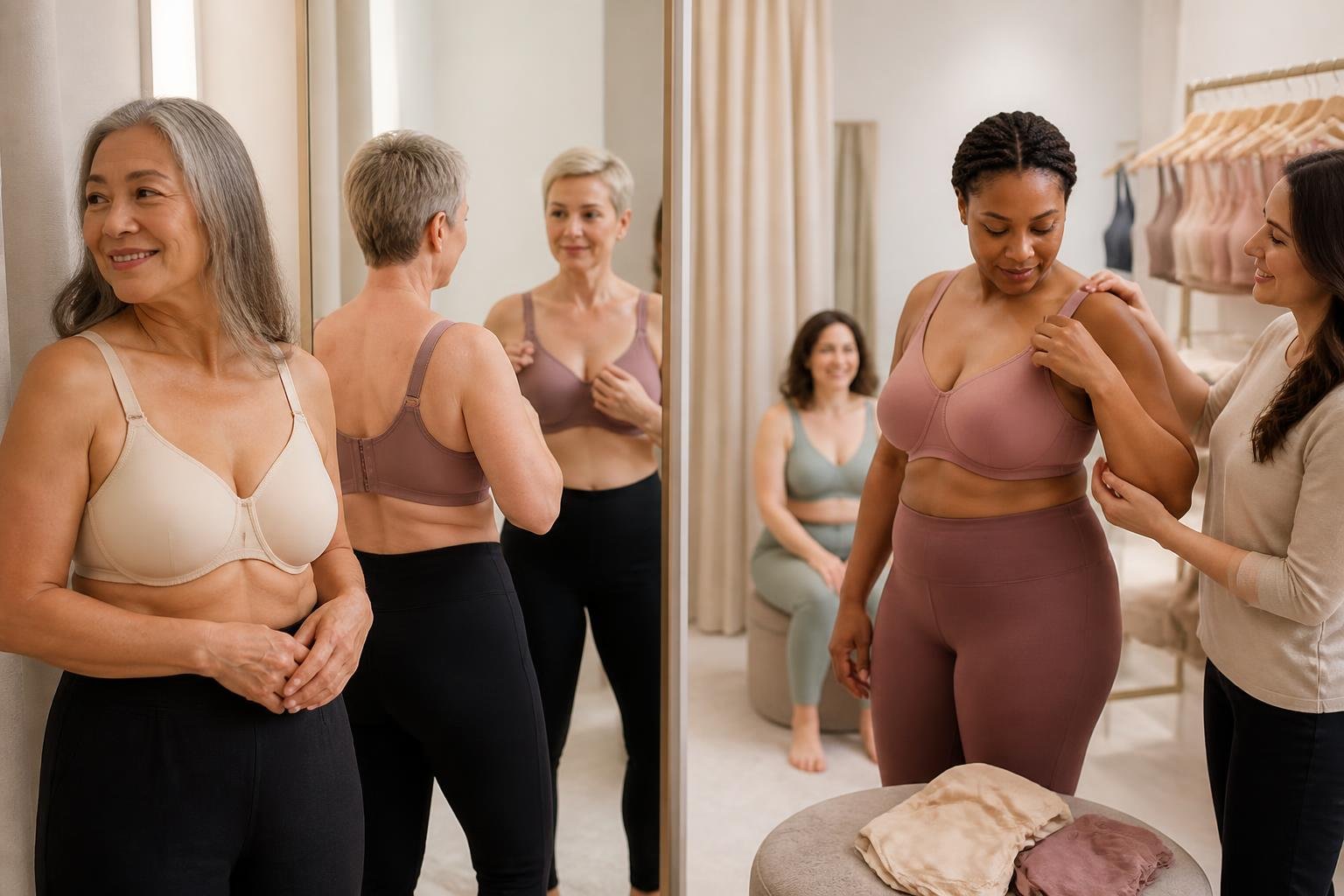
After a nipple-sparing mastectomy, the best bras are soft, wire-free, front-closure styles with light compression and a stable fit, while underwires, stiff cups, and tight bands often cause pain and slow healing. Post-mastectomy bra fit matters more than brand or style. The right bra should stay in place, reduce strain, and avoid rubbing along incision lines.
As you heal, your bra needs will change. You may start with gentle compression and move to soft, everyday bras that match your comfort and style. Knowing what works and what does not helps you choose bras for nipple-sparing mastectomy with confidence.
Understanding Nipple-Sparing Mastectomy and Bra Requirements
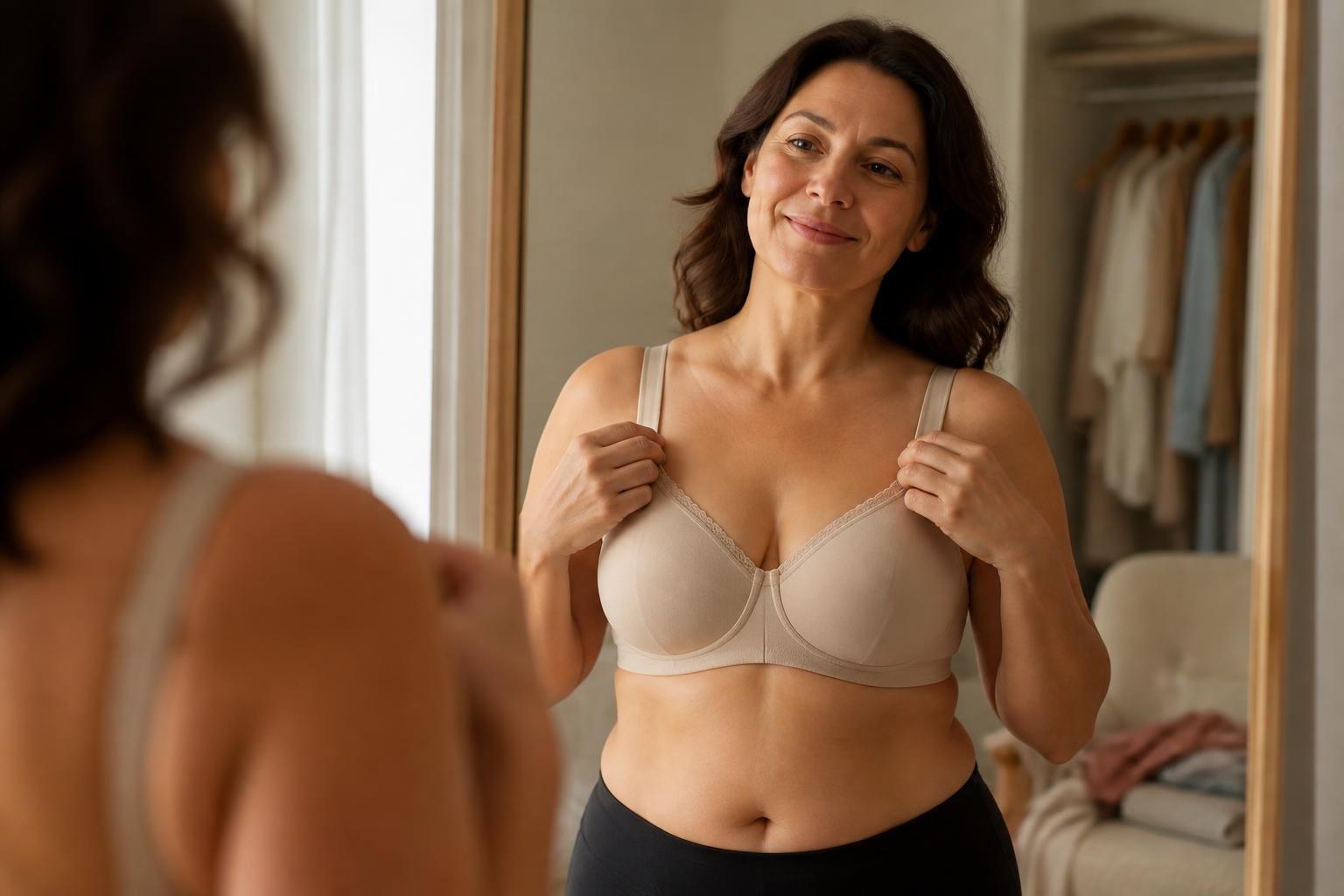
A nipple-sparing mastectomy removes breast tissue but keeps your outer skin, areola, and nipple. This choice affects how your chest feels, heals, and fits into a bra after surgery.
Key Differences from Other Mastectomy Procedures
In a nipple-sparing mastectomy, your surgeon removes the breast glandular tissue but leaves the skin envelope and nipple in place. This differs from a total mastectomy, which removes the nipple and areola along with the breast tissue.
Because your nipple remains, your breast shape may look more natural after reconstruction or implant placement. However, the nerves to the nipple often get cut during surgery. As a result, your nipple may have little or no feeling and may stay erect more often than before.
You may also have immediate reconstruction, which changes how tight or full your chest feels. Implants can create upper fullness and firmer tissue. Tissue flap surgery may create a softer feel, but it still causes swelling and scars.
These factors shape your needs when choosing bras after breast surgery. You must balance appearance, comfort, and medical support.
Common Post-Surgical Breast Sensitivities
After surgery, your chest often feels swollen, tight, or tender. You may notice numb areas near the nipple or incision lines. At the same time, other spots can feel very sensitive.
Your nipple may remain erect due to nerve changes. Many women prefer light padding to smooth the outline under clothing. This becomes an important detail when selecting bras for nipple-sparing mastectomy.
You may also face:
- Swelling in the first weeks
- Scar sensitivity along incision lines
- Skin irritation from adhesives or seams
- Risk of fluid buildup (seroma) in early recovery
If lymph nodes were removed, you may also have a higher risk of lymphedema. In that case, tight bands and narrow straps can cause discomfort.
Bras for sensitive breasts after mastectomy should use soft fabric, flat seams, and wide straps. Early on, your surgeon may suggest a front-close surgical bra that limits movement and supports healing.
One NHS guide says a nipple-sparing mastectomy patient should use a dedicated surgery-specific bra, such as a medium-compression style.
Impact on Bra Selection
Your bra needs will change in stages. In the first weeks, focus on compression and stability. Choose wireless bras with a wide underband and front closure so you avoid lifting your arms too high.
As swelling decreases, shift toward comfort and shape. Look for:
- Soft, breathable fabric
- Light padding if nipples show through clothing
- No underwire until cleared by your surgeon
- Wide straps to reduce shoulder strain
If you had reconstruction with implants, avoid tight cups that press down on the nipple. If you had flap reconstruction, make sure the bra does not rub against scar lines.
When choosing bras after breast surgery, fit matters more than size on the tag. Your band and cup size may change from your pre-surgery measurements. A professional fitting with someone trained in post-mastectomy bras can help you find support without pressure.
Bras for nipple-sparing mastectomy should protect healing tissue while giving you a stable, smooth shape under clothing.
Fit Considerations After Surgery

Your breast shape and skin sensitivity often change after a nipple-sparing mastectomy. You need a bra that supports healing tissue, adapts to swelling, and fits your new contours without pressure.
Assessing Proper Bra Size Post-Procedure
Your bra size may not match what you wore before surgery. Breast reconstruction, tissue removal, or implants can change your band and cup size.
Start with a soft measuring tape. Measure your band snugly under your bust, then measure around the fullest part of your breast without compressing it. Compare both numbers to a current size chart from the brand you plan to buy, since sizing can vary.
Look for these signs of a proper post-mastectomy bra fit:
- The band sits level and does not ride up
- The cups hold your breasts without gaping or spilling
- The center front rests flat if your surgery allows it
- Straps stay in place without digging into your shoulders
Avoid underwire in the early weeks. Choose soft-cup or light compression styles with front closures, as many surgeons recommend for the first 4–6 weeks.
Influence of Swelling and Healing on Fit
Swelling can last for weeks or even months. Your breasts may feel firm, numb, or tender during this time.
Buy only one or two bras at first. Your size may shift as swelling decreases and tissues settle. Adjustable bands and multi-hook closures give you room to adapt.
In early recovery, many surgeons suggest a seamless compression or recovery bra. These bras limit movement, reduce fluid buildup, and support incision lines. They should feel snug but not tight.
Watch for warning signs that your bra does not fit:
- Red marks that last more than 30 minutes
- Increased swelling above or below the band
- Sharp pain along incision sites
- Skin irritation near drains or scars
If you had implants placed, your surgeon may limit how much compression you use. Always follow your specific medical plan.
Professional Post-Mastectomy Fitting Advice
A trained fitter can guide you through fitting bras after breast reconstruction. Many specialty lingerie stores and medical supply shops offer this service.
Schedule a fitting once your surgeon clears you, often a few weeks after surgery. Bring any bras you already wear so the fitter can assess band tension and cup depth.
Ask about post-surgery bra options, such as:
- Front-closure bras for limited arm movement
- Pocketed bras if you use a temporary shaper or prosthesis
- Soft modal or cotton bras to reduce friction
- Wide, padded straps to spread weight evenly
Some insurance plans cover post-mastectomy bras when prescribed. Check your benefits before you shop.
A proper fitting gives you support without pressure. It also helps you feel steady and secure as your body heals.
Recommended Bra Types for Optimal Recovery
After a nipple-sparing mastectomy, you need bras that protect healing tissue, reduce strain, and support your chest without pressure. The right styles focus on soft fabric, wire-free structure, and easy access while your range of motion is limited.
Soft and Wire-Free Bras for Comfort
In the first weeks after surgery, choose soft and supportive post-mastectomy bras with no underwire. Underwire can press on incision lines and irritate sensitive skin. Your chest may feel swollen or numb, so gentle support matters more than a lift.
Look for these features:
- Seamless or flat seams to reduce rubbing
- Wide, padded straps to ease shoulder strain
- Stretch fabric that adapts to swelling
- A smooth inner lining that protects the nipple area
Many comfortable bras after mastectomy use modal or cotton blends. These fabrics feel soft and allow airflow. Avoid lace, stiff elastic, or tight bands during early healing.
If your surgeon recommends compression, choose a light compression bra made for post-surgery use. It should feel snug but not restrict breathing. You should not see deep marks on your skin after removal.
Front-Closure Bras for Easy Wear
After surgery, your arm movement may feel limited. You may not lift your arms fully overhead. A front-closure bra reduces strain on your shoulders and chest.
Choose bras with:
- Front hooks or a front zipper
- Adjustable closure levels
- A stable band that stays in place
Front-closure styles help you dress without twisting your body. They also allow you to check incisions or drains more easily in the early stage of recovery.
Many supportive bras for post-surgery combine front closures with soft cups and wide straps. This design keeps pressure even across your chest. Avoid tight pull-over sports bras during early healing, as they require more arm strength and can pull on tender tissue.
High-Support Bras for Activity
As healing progresses, you can shift to bras with more structure. When you return to walking, light workouts, or daily errands, you need steady support to limit bounce and movement.
Choose high-support bras that are:
- Wire-free but structured
- Made with firm, stretch fabric
- Designed with a wide underband
- Equipped with adjustable straps
Even after a nipple-sparing mastectomy, your chest wall may remain sensitive. A well-fitted, wire-free sports bra can offer control without sharp pressure points.
If you use a light form or padding for balance, select bras with interior pockets. These pockets hold inserts securely and prevent shifting during activity.
Focus on fit. The band should sit level, and the cups should lie smoothly against your skin. Proper fit keeps you supported and protects healing tissue as you regain strength.
Top Picks: Best Bras After Nipple-Sparing Mastectomy
The right bra after nipple-sparing mastectomy protects your incisions, supports healing tissue, and keeps pressure off the nipple area. Focus on soft fabrics, front closures, and gentle compression that fits your stage of recovery.
Brands and Models Indicated by Experts
Experts often suggest front-closure recovery bras for the first 4–6 weeks after surgery. You can put them on without lifting your arms, which protects healing incisions and reduces strain on chest muscles.
Many fitters recommend brands known for post-surgical design, such as:
- Amoena (Hannah or Leyla post-surgical bras)
- Anita Care (front-closure and seamless recovery styles)
- Nearly Me pocketed bras
- AnaOno soft-cup recovery bras
These brands design bras specifically for breast surgery recovery. They use soft linings and avoid underwire in early healing stages.
For later recovery, you may switch to light-support bralettes or wire-free everyday bras. If you had reconstruction with implants, you may need more structured support once swelling goes down. Always check fit changes as your shape settles.
Special Features to Look For
The best bras after breast surgery share key features that protect your chest and nipples.
Look for:
- Front hook or zipper closure
- No underwire during early healing
- Wide, padded straps to reduce shoulder strain
- Soft, seamless cups to prevent rubbing
- Adjustable bands to manage swelling
- Light compression, not tight pressure
Nipple-sparing mastectomy recovery bras must avoid friction across the nipple area. Choose smooth inner fabric with no raised seams over the center of the cup.
Some mastectomy bra recommendations include interior pockets. You may not need them if you had reconstruction, but they can hold light forms if you had one-sided surgery.
Avoid push-up styles, tight sports bras, and lace that sits directly over healing tissue. Comfort and stability matter more than shape in the early weeks.
User Experiences and Reviews
Patient reviews often highlight comfort over appearance in the first month. Many women say soft, front-closure bras feel safer because they avoid overhead movement.
Users frequently mention that seamless compression bras help control swelling without feeling restrictive. However, they warn that sizing can feel snug at first. You may need to size up if you have post-surgical swelling.
Survivors also note that cheaper bras sometimes lose elasticity after a few washes. Higher-quality recovery bras tend to hold their shape longer and provide steadier support.
Women who keep their nipples often report extra sensitivity. They prefer bras with smooth cup interiors and no decorative stitching across the center. Reviews consistently stress this point.
Your experience may change week by week. Many women buy two or three styles to rotate as healing progresses.
Choosing the Right Bra for Your Recovery Phase
Your bra needs will change as your body heals. In the first weeks, focus on protection and gentle support. Later, you can shift toward shape, comfort, and daily wear.
Early Recovery vs. Long-Term Needs
Right after a nipple-sparing mastectomy, your chest needs steady support without pressure. Most surgeons suggest a front-closure compression bra or a soft post-surgery bra. These styles limit movement, reduce swelling, and make it easier to dress when your arm motion feels tight.
Look for:
- Front hooks or zippers to avoid lifting your arms
- Wide straps that do not dig into your shoulders
- No underwire during early healing
- Light, even compression across the chest
Many nipple-sparing mastectomy recovery bras include soft inner linings and wide underbands. These features protect the nipple area and help incisions stay stable.
After about 6–8 weeks, your needs may change. Swelling often goes down, and your shape becomes more defined, especially if you had reconstruction.
At this stage, you can try:
- Lightly structured wireless bras
- Soft-cup bras with molded support
- Carefully fitted underwire bras, if your surgeon approves
Your goal shifts from medical support to daily comfort and shape. Fit becomes more important than compression.
Prioritizing Skin Sensitivity and Scar Protection
After surgery, your skin may feel tight, numb, or overly sensitive. Nerve changes are common with nipple-sparing procedures. Choose bras for sensitive breasts after mastectomy that reduce friction and pressure.
Soft, breathable fabrics work best. Look for:
- Cotton blends or smooth microfiber
- Flat seams or seamless cups
- Tag-free labels
- Wide, soft bands
Avoid lace, rough stitching, and stiff elastic directly over scars. Even small seams can rub against healing tissue and irritate it.
If your incisions sit under the breast or around the areola, check where the bra band and cup edges fall. The band should sit flat without rolling. The cup should not press on the nipple or scar line.
Some post-surgery bra options include light padding. This can protect sensitive nipples from rubbing against clothing. Make sure the padding feels soft and does not add unwanted pressure.
Always choose a fit that feels secure but not tight. If you see deep red marks or feel throbbing after removing your bra, the fit is too firm for your current stage of healing.
Adapting to Your Unique Comfort and Style Preferences
Your comfort and style needs may change after nipple-sparing surgery. The right bra should support healing tissue, protect sensation, and match how you dress each day.
Popular Styles for Everyday Wear
For daily use, focus on wire-free, soft-cup bras. Underwire can press on healing areas and cause pain, even months after surgery. Many post-mastectomy comfort bras use smooth seams, wide bands, and stretchy fabric to reduce rubbing.
Look for features such as:
- Wide straps to reduce shoulder strain
- Front closures if you have limited arm movement
- Light compression for gentle support
- Pocketed cups if you use a light form or shaper
If you had reconstruction, choose bras with flexible cups. Your breast shape may shift as swelling goes down. Molded cups can work, but only if they do not press too tightly on the nipple area.
Many women prefer full-coverage or T‑shirt bras for even shaping under clothes. Soft bralettes also work well at home because they hold you in place without firm structure.
Specialty Bras for Occasions
You can still wear dressier styles, but fit matters more than fashion details. After nipple-sparing surgery, nipples may be more sensitive or less sensitive. Seams, lace, and tight elastic can irritate the skin.
When choosing specialty bras, consider:
| Occasion | What to Look For | What to Avoid |
|---|---|---|
| Formal wear | Lightly lined, wire-free plunge or balconette | Deep underwire digging into scars |
| Active days | Low-impact sports bra with compression | High-impact bras that flatten too firmly |
| Sleep | Seamless sleep bra or soft crop top | Tight bands or heavy padding |
For breast reconstruction, avoid push-up padding that forces the breasts upward. It can shift implants or cause pressure.
Instead, choose gentle shaping that supports your natural contour. You should feel secure, not squeezed.
Frequently Asked Questions
After a nipple-sparing mastectomy, timing, fit, and fabric matter more than style. The right bra protects your incisions, supports healing tissue, and adapts to swelling and shape changes.
When is it safe to start wearing a bra after a nipple-sparing mastectomy?
Most surgeons place you in a surgical bra or compression bra right after surgery. You often wear it day and night for several weeks.
You should not switch to regular bras until your surgeon clears you. This often happens around 4 to 6 weeks, but your healing pace may differ.
If you had reconstruction with implants or tissue flaps, you may need structured support for a longer period. Always follow your surgeon’s specific timeline.
What bra features provide the best support without irritating healing incisions?
Choose bras with soft, breathable fabric and minimal seams. Cotton or moisture-wicking blends help reduce skin irritation.
Look for wide straps and a wide underband. These spread pressure evenly and reduce strain on your chest and shoulders.
Front closures work well in early recovery. They let you avoid raising your arms high, which can pull on incisions.
Avoid rough lace, tight elastic edges, and thick internal seams that sit over scar lines. Smooth cups and light compression offer support without rubbing.
Which bra styles are most likely to cause discomfort or disrupt recovery during the first months?
Underwire bras often press on the lower breast fold, where incisions may sit. In the first months, this pressure can cause pain or delay healing.
Push-up bras and heavily padded styles can distort your new breast shape. They may also place uneven pressure on implants or reconstructed tissue.
Strapless bras usually lack stable support. They rely on tight bands, which can dig into healing skin.
Bracers with tight compression, not approved by your surgeon, can also cause problems. Too much pressure may affect blood flow to the nipple and skin.
How should bra sizing be adjusted after surgery if swelling or shape changes occur?
Expect swelling for several weeks. Your breast size and shape may shift as tissue settles.
Start with bras that offer stretch and adjustable bands. Multiple hook settings help you loosen or tighten the fit as swelling changes.
Wait until swelling decreases before getting professionally fitted for long-term bras. Many experts suggest waiting at least 6 to 8 weeks, or longer if reconstruction continues.
If you use a breast form on one side, choose mastectomy bras with pockets. These hold the form in place and improve balance.
Are underwire bras recommended after nipple-sparing mastectomy, and if so, when?
You should avoid underwire bras in the early healing stage. Wires can press on incision lines and the fold under your breast.
Some surgeons allow underwire bras after 8 to 12 weeks, once incisions fully heal and swelling resolves. Others advise waiting longer, especially after implant reconstruction.
When you return to underwire, check that the wire sits flat against your ribcage and not on breast tissue. Stop wearing it if you notice redness, pain, or indent marks that last.
What options work best for sleeping bras and light compression during recovery?
During early recovery, you may need to sleep in a soft compression or surgical bra. This limits movement and protects the nipple and skin.
Choose sleep bras with no wires, no hard seams, and light elastic support. Pullover or front-close styles both work if they do not require wide arm movement.
After the first phase of healing, a soft, non-wire bralette often provides enough support at night. It should feel snug but not tight.
Conclusion
Finding the right bra after a nipple-sparing mastectomy can make a big difference in comfort, healing, and confidence. In the early recovery stage, soft bras without underwires, heavy seams, or tight elastic usually feel best.
Front-closure bras, wireless styles, and bras made from breathable fabrics can help reduce irritation while still offering gentle support. Many people also prefer lightly padded or seamless designs because they feel softer against sensitive skin.
Some bra styles may not work as well after surgery. Underwire bras, stiff cups, and tight push-up designs can place pressure on healing tissue and cause discomfort.
Fit can also change depending on reconstruction, swelling, or skin sensitivity, so it’s important to remeasure and try different styles as your body heals. Prioritizing comfort, flexibility, and soft support will help you find bras that feel better and fit more naturally over time.
0 comments