

Choosing between a bilateral and unilateral mastectomy changes more than your surgery plan. It also shapes how you dress, what kind of bras you wear, and how your clothes fit each day. Knowing what to expect helps you feel more prepared and in control.
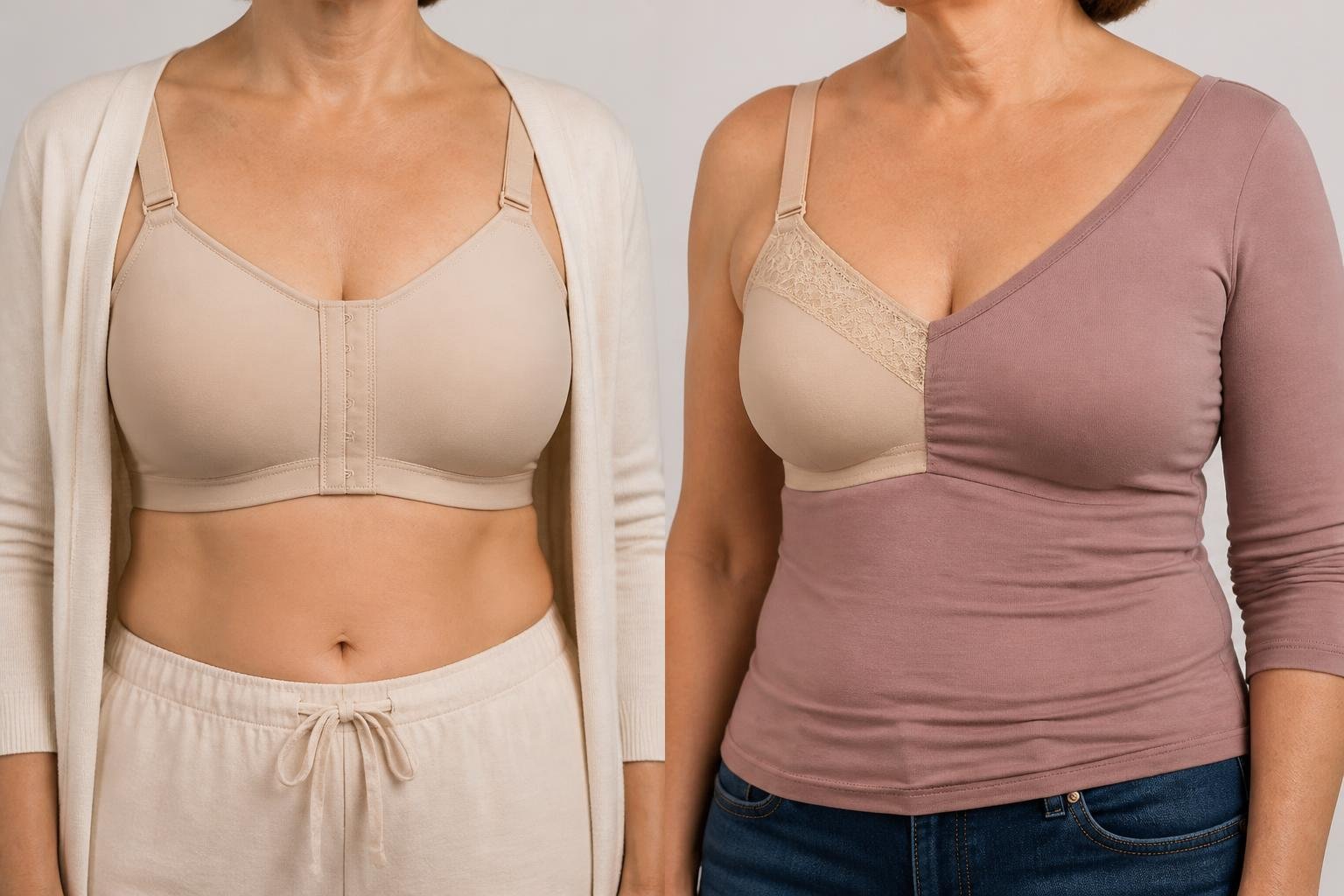
After a unilateral mastectomy, you often balance one natural breast with a form, while after a bilateral mastectomy, you choose whether to wear forms at all and select bras based on comfort and personal shape preference. That difference affects pocket needs, cup size, support level, and even fabric choice. Your decision may also shift over time as your body heals.
You may need soft, non‑underwire bras during recovery, or pocketed styles that hold breast forms in place. Clothing choices can also change, from scar-friendly fabrics to tops that fit your new shape with ease. Understanding these changes helps you build a wardrobe that supports both your comfort and your confidence.
Understanding Bilateral and Unilateral Mastectomies

A bilateral mastectomy removes both breasts, while a unilateral mastectomy removes one. The number of breasts removed changes your body shape, balance, recovery needs, and the way bras and clothing fit.
Key Differences in Surgical Outcomes
In a bilateral mastectomy, your surgeon removes both breasts. You may choose reconstruction, remain flat with an aesthetic flat closure, or use external breast forms. Your chest will have a more even left‑to‑right contour, but it will be flatter unless you choose reconstruction.
In a unilateral mastectomy, your surgeon removes one breast. The other breast remains. This creates visible asymmetry unless you use a prosthesis or have reconstruction on one or both sides. Unilateral mastectomy usually preserves the healthy breast, which can matter for body balance and clothing fit.
These differences affect clothing choices:
- Clothing for a unilateral mastectomy often focuses on balance. You may use a pocketed bra to hold a prosthesis and create symmetry under fitted tops.
- Bilateral mastectomy recovery clothing often centers on comfort across the full chest, especially if both sides have incisions or drains.
- Necklines, dart placement, and stretch fabrics matter more when one side differs in size.
You adjust not only to scars but also to changes in weight distribution, posture, and how fabric drapes across your chest.
Typical Recovery Considerations
Recovery varies based on whether you have surgery on one or both sides and whether you add reconstruction. With a bilateral procedure, you manage healing across your entire chest. You may have limited arm movement on both sides at first.
You will likely start with:
- Front‑closure bras or surgical bras
- Soft, breathable fabrics such as cotton
- Loose tops that do not require lifting your arms high
After a unilateral mastectomy, one side may feel tight or numb while the other side feels normal. A well‑fitted mastectomy bra with a pocket can hold a lightweight prosthesis once your surgeon approves it. This helps reduce shoulder strain and keeps clothing balanced.
Post‑mastectomy clothing changes often include choosing softer seams, avoiding underwires early on, and checking that bands do not press on scars. As you adjust to your new body after a mastectomy, comfort, fit, and skin sensitivity guide most of your wardrobe decisions.
Bra Needs After Mastectomy: Unilateral vs Bilateral
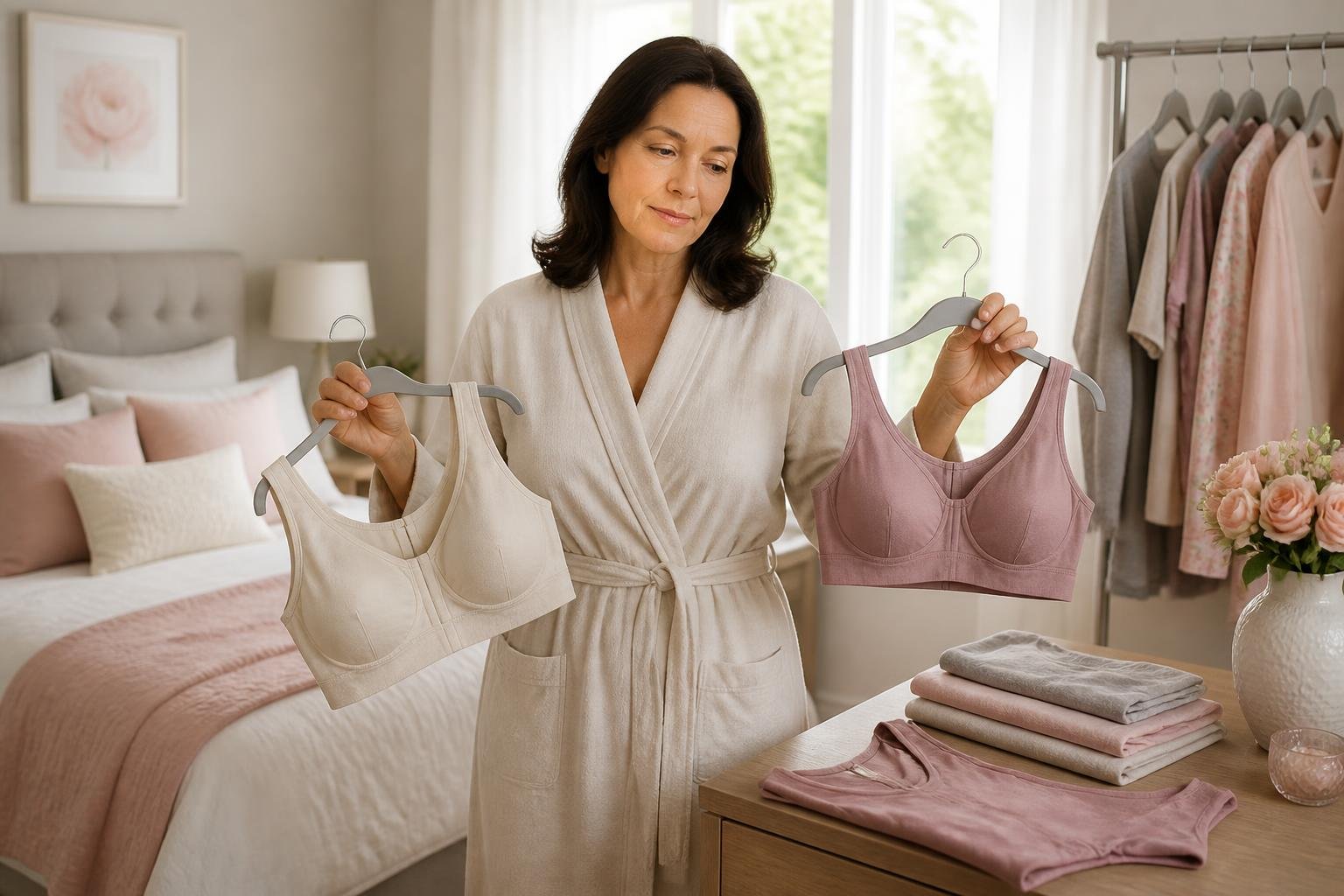
Your bra needs to be changed based on whether you remove one breast or both. The number of breasts removed affects balance, fit, pocket use, and how you choose size and shape.
Choosing Bras After Bilateral Surgery
After a bilateral mastectomy, you remove both breasts. This changes how you choose bra size and whether you wear breast forms at all. Also, after a bilateral mastectomy, the bra needs to shift more toward comfort, skin sensitivity, and surgical recovery than shaping.
You may decide to:
- Wear pocketed mastectomy bras with two prostheses
- Wear a bra without forms
- Go without a bra
If you choose forms, you select the cup size based on your body frame and preference, not on matching a natural breast. Many women use lightweight silicone or foam forms placed inside built-in pockets. A bilateral mastectomy bra needs balanced support on both sides, so even weight distribution matters.
Look for:
- Soft, wide bands that sit flat against healing skin
- Seam placement that avoids scar lines
- Adjustable straps for even lift
- Non-underwire designs during recovery
Your clothing may fit differently across the chest. Structured tops may need minor tailoring, while softer fabrics often drape more easily over forms or a flat chest.
Selecting Bras for Unilateral Recovery
After a unilateral mastectomy, you remove one breast. Your main goal is balance.
You match a prosthesis to your remaining breast in:
- Cup size
- Projection
- Weight
A unilateral mastectomy bra usually includes a pocket on one side, though many have two. The pocket holds the breast form in place and prevents shifting during movement.
Balance affects posture. A well-fitted form and bra help reduce strain on your neck and shoulders.
Unilateral mastectomy clothing adjustments often include choosing tops with:
- Slight structure in the chest area
- Patterns that reduce visible asymmetry
- Higher necklines for added coverage
Avoid bras that compress the natural breast too tightly. You want even shaping without flattening one side to match the other.
Supportive Bras for Mastectomy Recovery
Right after surgery, your needs focus on healing. Swelling, drains, and tender skin affect what you can wear.
Many surgeons advise:
- No bra until drains are removed
- A soft sports bra or post-surgical compression bra after
Supportive bras for mastectomy recovery should have:
- Front closures for easy dressing
- Wide, non-digging straps
- Soft fabric with minimal seams
- Light compression without tight pressure
Avoid underwires until your doctor approves them. Early compression garments can help control swelling, but they must not restrict blood flow.
As your body heals, you can transition from post-surgical bras to everyday mastectomy bras. Choosing bras after mastectomy surgery takes time. Fit may change as swelling decreases, so reassess size and comfort every few months.
Finding the Right Mastectomy Bra Options
The right mastectomy bras protect healing tissue, improve balance, and support your daily movement. Your needs will differ after a unilateral or bilateral mastectomy, so fit and style matter.
Mastectomy Bra Fitting Tips
Start with a fresh measurement once swelling goes down. Surgery can change your band size, cup size, and chest shape.
If you had a unilateral mastectomy, check that the bra holds a breast form securely on one side. The pocket should sit flat and keep the form centered. The band must stay level across your back to prevent shifting.
If you had a bilateral mastectomy, focus on smooth coverage and even pressure across your chest. The bra should not gap, rub, or press on scars.
Use these mastectomy bra fitting tips:
- Choose a wide, snug band that does not ride up.
- Look for wide straps to reduce shoulder strain.
- Avoid underwire unless your surgeon clears it.
- Check pocket depth if you wear prostheses.
Move your arms and bend forward. The bra should stay in place without pulling on sensitive skin.
Types of Mastectomy Bras
You have several mastectomy bra options based on your surgery and recovery stage. Each type serves a clear purpose.
| Type | Best For | Key Features |
|---|---|---|
| Pocketed bras | Unilateral or bilateral with forms | Built-in pockets to hold prostheses |
| Non-pocketed soft bras | Going flat or early healing | Smooth lining, no pressure points |
| Sports bras | Active days | Compression, wide bands |
| Front-closure bras | Limited arm movement | Hooks or zipper in front |
After a unilateral mastectomy, pocketed bras help balance your shape. They hold a breast form in place during work or exercise.
After a bilateral mastectomy, you may choose pocketed bras with two forms or skip forms and wear soft, structured bras. Many people who go flat prefer lightweight bras with light shaping and no bulk.
Fabric also matters. Soft cotton or moisture-wicking blends reduce irritation, especially if your skin feels sensitive.
Post-Surgery Bras for Mastectomy
Post-surgery bras support you right after the operation. Your surgeon may place you in a medical compression bra first.
These post-surgery bras usually have:
- Front closures for easy dressing
- Adjustable straps
- No underwire
- Light compression to control swelling
After a unilateral mastectomy, light compression helps reduce fluid buildup on one side. After a bilateral mastectomy, even compression across the chest supports healing and protects incisions.
Wait for your doctor’s approval before switching to regular mastectomy bras. Many experts suggest starting with soft, non-wire bras until scars mature and tenderness fades.
As your body heals, you can move from medical post-surgery bras to everyday mastectomy bras that match your clothing and activity level.
Practical Clothing Choices for Recovery and Daily Life
Your clothing needs to change right after surgery and may shift again months later. You will focus first on healing and comfort, then on balance, support, and how clothes fit your new shape.
Adaptive Clothing for Comfort
In the first two weeks, you need easy access and low pressure on your chest. Choose front-closure tops, zip hoodies, or button-down shirts so you do not raise your arms high.
Many women use mastectomy camisoles with built-in drain pockets. These hold surgical drains in place and prevent pulling. This simple feature makes daily movement safer and less painful.
Look for:
- Soft cotton or bamboo fabric
- Wide straps that do not dig into your shoulders
- Seamless or flat seams near incision sites
- Front-hook or Velcro bras
Avoid underwire bras until your surgeon says you can wear one. Your skin may feel tight or numb, so smooth fabric matters.
For bilateral mastectomy recovery clothing, light compression bras made for post-surgery use can reduce swelling. They should feel snug but not restrictive. If you feel pressure, redness, or pain, the garment is too tight.
Loose pants with elastic waists also help. You may not want to twist or bend much at first.
Adjustments for Unilateral Mastectomy Clothing
After a unilateral mastectomy, your clothing must address balance and symmetry. You may choose to wear a breast form, or you may not. Your choice affects your bra and top style.
Mastectomy bras with a pocket on one side can hold a prosthesis securely. Some bras have pockets on both sides, which gives you flexibility. A well-fitted pocketed bra helps keep your posture steady and prevents strain on your neck or back.
Common unilateral mastectomy clothing adjustments include:
- Structured bras with one or two pockets
- Slightly higher necklines to prevent gaping
- Layered tops for smoother shaping
- Patterns or textured fabrics to reduce visible unevenness
If you do not wear a prosthesis, soft bralettes can still offer light support. You may prefer looser tops that drape evenly across your chest.
Tailoring can also help. A simple dart adjustment can improve how a blouse fits on the surgical side.
Clothing Needs After Bilateral Mastectomy
After a bilateral mastectomy, you do not need to balance one natural breast with a prosthesis unless you choose to wear forms. Your focus shifts to comfort, flat fit, or reconstructed shape support.
Some women choose flat closure and skip breast forms. In this case, you may prefer soft, non-padded bras or compression tops. These reduce friction and protect sensitive skin.
Others use bilateral prostheses. You will need a bra with pockets on both sides and enough structure to hold the weight evenly. Wide underbands and strong side panels improve stability.
Helpful features in post-mastectomy clothing changes include:
- Higher armholes to prevent side gaps
- Soft lining over scar areas
- Stretch fabric that adapts to reconstructed breasts
- Athletic-style compression tops for light activity
Bilateral mastectomy recovery clothing should not press on incision lines. Test garments at home first. Raise your arms, sit, and walk to check for pulling or rubbing.
Emotional and Physical Adjustment Post Mastectomy
You face both visible and hidden changes after surgery. Your body shape, clothing fit, and daily comfort can shift in ways that affect how you see yourself and how you move through daily life.
Body Image and Confidence
Adjusting to your new body after a mastectomy takes time. A unilateral mastectomy changes one side of your chest, which can create an uneven balance. A bilateral mastectomy creates a flat chest unless you choose reconstruction. Each option shapes how clothing fits and how you view your body.
You may notice scars, tight skin, or numb areas. These physical changes can affect how confident you feel in fitted tops, swimwear, or intimate clothing. Some women choose breast forms or padded bras to restore symmetry. Others prefer a flat look and select soft, non-wired bras or compression tops.
You can support your confidence by:
- Getting professionally fitted for a mastectomy bra
- Trying different necklines and layers
- Choosing fabrics that feel soft against sensitive skin
- Speaking with a counselor if body image concerns feel overwhelming
Emotional healing often lasts longer than physical healing. You build comfort step by step as you learn what feels right for your body.
Lifestyle Adaptations
Your daily routine may shift after surgery. Limited shoulder movement, tightness, or swelling can affect how you dress and move. Button-front shirts and loose tops often feel easier during early recovery.
Clothing for a unilateral mastectomy often focuses on balance. You may use a bra with a pocket to hold a breast form, which helps clothing hang evenly. With bilateral mastectomy, you may prefer lightweight bralettes, camisoles with built-in support, or going without a bra if it feels comfortable.
You might also adjust:
- Workout wear: Choose high-neck sports bras or compression tops for stability.
- Work clothing: Structured jackets can create clean lines over flat or reconstructed chests.
- Sleepwear: Soft, seamless fabrics reduce friction on scars.
As your strength returns, you test what feels stable and secure. Small changes in fabric, fit, and support can improve comfort and help you move through your day with less distraction.
Frequently Asked Questions
Bra fit, support, and clothing choices change based on whether one or both breasts are removed. Your healing stage, use of a prosthesis, and personal comfort also shape what works best for you.
How do bra fit and support needs differ after a unilateral mastectomy compared with a bilateral mastectomy?
After a unilateral mastectomy, you balance one natural breast with a flat side or a prosthesis. Your bra must support the remaining breast while keeping the other side even.
You may need a pocketed bra to hold a breast form in place. The band must fit snugly so the prosthesis does not shift.
After a bilateral mastectomy, you focus more on comfort than lift. If you do not use forms, you may prefer soft bras or bralettes with light structure.
If you choose bilateral prostheses, your bra should support equal weight on both sides. Wide straps and a firm band help reduce shoulder strain.
What bra styles work best for balancing symmetry when only one breast is removed?
Pocketed mastectomy bras work well because they hold a breast form securely. The pocket keeps the form from moving during daily activity.
Full-coverage cups create a smooth shape under clothing. They also help match the height and contour of your natural breast.
Many people prefer soft-cup or wireless styles. These reduce pressure on scars and sensitive skin.
Some sports bras with pockets can also work, especially if they have a wide band and high neckline. Avoid thin, stretchy bras that lack structure, as they may not hold a form evenly.
How does clothing fit, and how are alterations typically made after a bilateral mastectomy?
After a bilateral mastectomy without reconstruction, tops may fit looser in the chest area. You may notice extra fabric where the breast volume once filled the garment.
Some people choose higher necklines or layered looks for coverage. Others prefer tailored tops that skim the chest without clinging.
If you use bilateral forms, you may return to your previous size, but cup depth and shaping still matter. Minor alterations, such as adjusting darts or taking in fabric at the bust, can improve fit.
What are the most common bra features to look for when wearing a prosthesis on one side?
Look for a built-in pocket that fully covers the breast form. This keeps the form stable and aligned with your natural breast.
Choose a wide, supportive band that sits flat against your ribcage. A secure band does most of the support work.
Wide, padded straps help manage the added weight on one side. Breathable fabrics, such as cotton blends, can reduce skin irritation, especially if you have scar sensitivity.
Avoid underwires unless your surgeon approves them and your scars have healed. Many people find wireless styles more comfortable after surgery.
How soon after surgery can someone be professionally fitted for a new bra, and does timing differ between unilateral and bilateral procedures?
Right after surgery, you usually wear a surgical bra, compression garment, or wrap. Swelling, drains, and tenderness make regular bras uncomfortable at this stage.
Many surgeons advise waiting until drains are removed and swelling decreases before a professional fitting. This often takes several weeks, but your timeline may vary.
The timing does not differ greatly between unilateral and bilateral procedures. However, if you plan to use a prosthesis on one side, you may wait until your chest shape stabilizes so the form fits correctly.
Always follow your surgeon’s guidance before scheduling a fitting.
What clothing silhouettes and fabrics tend to feel most comfortable and look most natural after a mastectomy?
Soft, breathable fabrics such as cotton or cotton blends often feel better on sensitive skin. These materials reduce friction along scars.
Looser silhouettes, such as relaxed tees, soft blouses, and knit tops, can drape smoothly over your chest. Structured jackets and layers also add shape without relying on bust volume.
Avoid stiff seams or heavy embellishments over scar areas. Choose garments that move with your body and do not press tightly against healing tissue.
Conclusion
After a mastectomy, whether unilateral or bilateral, the way you approach bras and clothing can significantly change. For a unilateral mastectomy, your clothing and bras may require adjustments to maintain symmetry, with options like padded bras or prosthetics helping to balance the appearance.
In contrast, after a bilateral mastectomy, you may need more extensive changes in clothing and bras, opting for prosthetic breast forms or reconstruction options, and bras designed to offer full support and comfort for both sides.
In both cases, the key is finding bras that offer gentle support, soft fabric, and adjustable features for comfort during recovery.
Post-surgery, many women find that specially designed mastectomy bras provide essential features such as pockets for prosthetics, seamless designs, and extra softness. Clothing choices should prioritize ease, flexibility, and comfort, with looser fits and soft fabrics for healing. Ultimately, understanding your body’s needs post-surgery and exploring the right options for support will ensure you feel confident and comfortable during recovery.
0 comments